
Internal Documents Reveal Ottawa's Economic Anxiety Over Alberta Referendum

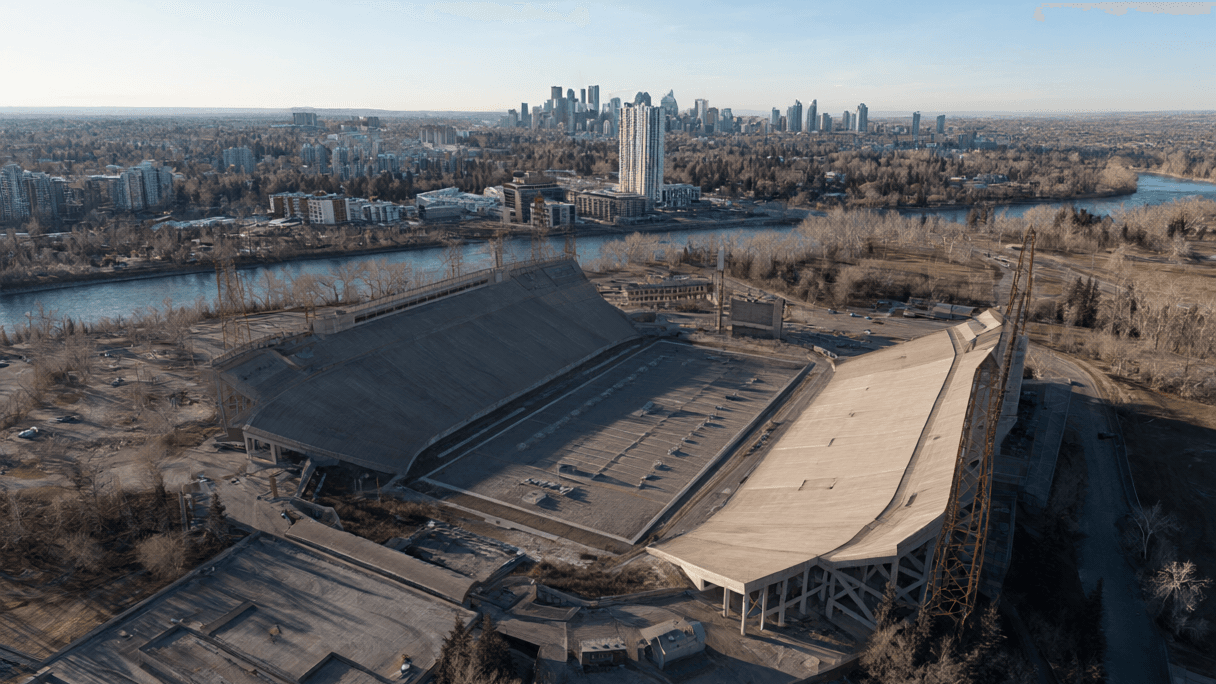
AI-generated image · Bay Street Wire
Leaked briefing notes show federal officials weighing an $18-billion fiscal shock and corporate flight as the Oct. 19 vote looms.
Internal federal documents obtained by CBC News reveal that Ottawa is quietly bracing for significant economic instability surrounding Alberta's Oct. 19 referendum. The documents, originating from the Justice Department and Finance Canada and dated June 2026, detail the potential for a $18-billion annual fiscal shock if the province exits the federation.
According to CBC News, Finance Canada is evaluating risks including a mass exodus of highly skilled workers and the flight of corporate head offices. Drawing parallels to the 1995 Quebec referendum and data from the Conseil du patronat du Québec, the analysis warns that uncertainty could trigger a departure of headquarters, particularly among non-resources sector companies. The documents also highlight that federal pension laws are currently "flawed" and may be insufficient to handle Alberta exiting the Canada Pension Plan.
The scale of the potential loss is underscored by Alberta's economic weight; the province represents 15 per cent of national GDP and accounted for 31 per cent of Canada's exports over the last decade. On average, Alberta provided a net fiscal contribution of roughly $18 billion annually between 2022 and 2024.
University of Calgary economist Trevor Tombe, associated with the Lead Not Leave group, told CBC News that while Canada would lose significantly, Alberta would face the greatest disruption. Tombe noted that in 2024, Ottawa collected over $19 billion more in the province than it spent, though he argues these gains for an independent Alberta would be offset by NATO commitments and the cost of assuming federal operations.
In a statement to CBC News, Privy Council spokesperson Mélany Gauvin stated that the federal government is studying third-party economic analyses, asserting that Alberta is an "integral part of Canada."