
Apple's Hardware Pivot Addresses Underdeveloped Ecosystem

AI-generated image · Bay Street Wire
After a decade of relying on third-party partners, Apple is launching its own smart home hardware to compete with Amazon and Google.
Apple has shifted its smart home strategy from a partner-reliant model to a first-party hardware approach. Following 12 years of the HomeKit ecosystem, the company launched the "Apple Home Collection" at its "Welcome Home" event in New York, as first reported by The Verge.
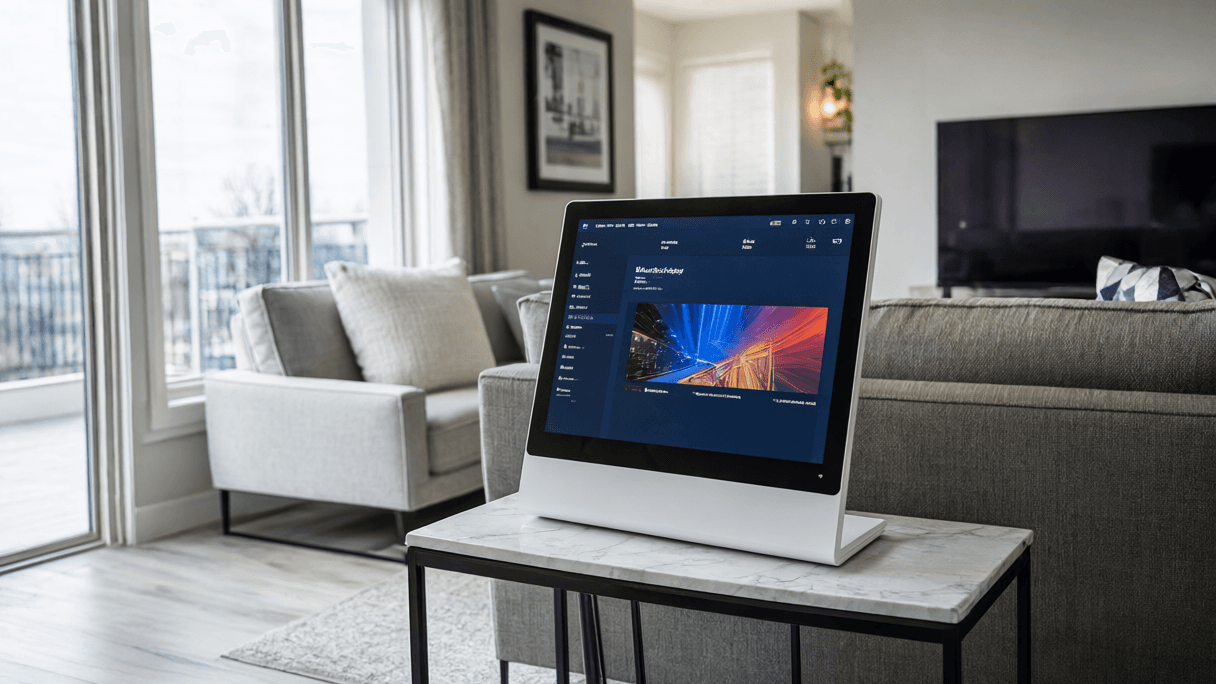
The new lineup consists of sensors, thermostats, a smart door lock, cameras, and a video doorbell, all codeveloped with Schneider Electric and LG Electronics. The company also introduced HomeView, its first smart display, which Kaiann Drance, Apple's vice president of product marketing for home, describes as a gateway to the smart home. Drance attributes the timing of this launch to the emergence of AI for a more conversational Siri and the development of Matter, the open interoperable standard.
For over a decade, Apple encouraged other companies to build devices for its platform, but The Verge reports that the resulting ecosystem remained underdeveloped compared to rivals. While Amazon and Google have established in-house brands like Ring and Nest, Apple lacked its own dedicated hardware to offer a curated "Apple experience."
Apple is now positioning the Home Collection as a "chef's choice" alternative to the previous "buffet" style of mixing various HomeKit and Matter-supported brands. The company is pitching one-tap setup and data privacy to overcome consumer barriers. However, the products start at $200, a price point that does not address the cost concerns cited by Elizabeth Parks, president and CMO at Parks Associates.