
Amazon's $7.5 Billion Bet: Solving the Software Gap for Trainium

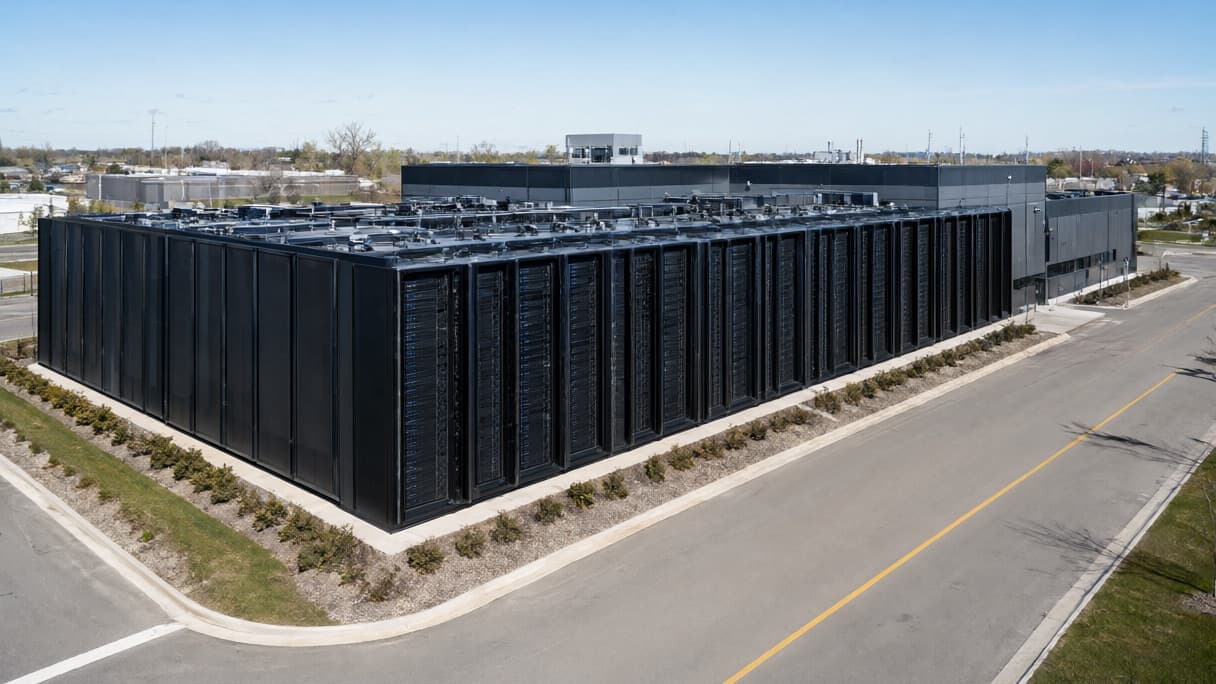
AI-generated image · Bay Street Wire
By acquiring Decart's optimization stack, Amazon is targeting the efficiency layer needed to challenge Nvidia's hardware dominance.
For years, the battle for AI supremacy has been fought on the battlefield of raw compute. But as any hardware nerd will tell you, the silicon is only as good as the software that tells it how to behave. As TechCrunch first reported, this is the central tension Amazon is attempting to resolve with its latest acquisition.
According to reporting from TechCrunch, Amazon has agreed to acquire a significant portion of Decart, an Israeli startup, for $7.5 billion. While Decart is known for AI video-generation tools and real-time world models like Oasis 3, the real prize for Amazon is the Decart Optimization Stack (DOS). This software is designed to maximize efficiency for AI models running across a variety of hardware, including chips from Google, Nvidia, and Amazon.
**Opinion: Breaking the Moat**
In my view, this isn't a play for video generation; it's a play for viability. Nvidia has long been the industry gold standard, not just because of its chips, but because of the ecosystem surrounding them. For Amazon to successfully transition its Trainium chips from internal data center use to a commercial product sold to external customers, it cannot rely on hardware specs alone. It needs a seamless efficiency layer. By integrating DOS, Amazon is essentially buying a bridge that allows customers to migrate workloads from Nvidia to Trainium without the typical performance penalties associated with switching hardware architectures.
Amazon is positioning this as a cost and performance play. Peter DeSantis, Amazon's SVP of foundational AI models, custom silicon, and quantum computing, stated in an Amazon blog post that "every leap forward in AI starts with getting more out of every chip." DeSantis further noted that increasing compute efficiency leads to improved reinforcement learning, faster inference, better training, and lower costs for the end user.
As TechCrunch reports, the deal includes not only the DOS technology but also Decart's founding team and its group of AI researchers and engineers. This suggests Amazon is looking to bake this optimization expertise directly into the development cycle of its custom silicon.
If Trainium is to become a genuine threat to Nvidia's market share, it must be easy to adopt. The acquisition of Decart's optimization stack is the mechanism Amazon is using to ensure that the shift to its proprietary silicon is a matter of efficiency, not a technical headache for the customer.