
Amazon Scraps Government NDAs to Ease Data Center Friction

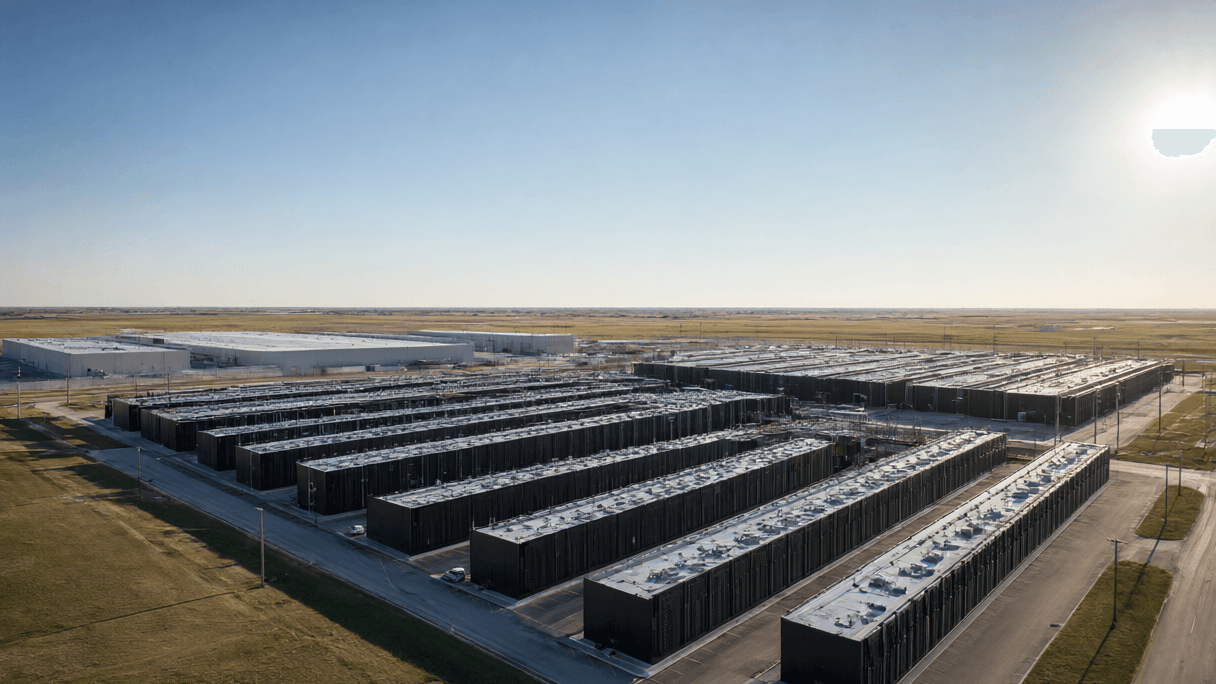
AI-generated image · Bay Street Wire
AWS CEO Matt Garman moves to increase transparency as the company faces over 100 potential moratoriums on data center expansion.
Amazon Web Services (AWS) has ceased using nondisclosure agreements (NDAs) in its dealings with government agencies regarding the construction of new data centers, according to reporting from TechCrunch and Ars Technica.
AWS CEO Matt Garman announced the policy shift amid a growing national backlash against data center expansion. Garman noted that more than 100 data center moratoriums are currently under consideration across the U.S., including a one-year permit moratorium already enacted in New York. Environmental activist Erin Brockovich told TechCrunch that a lack of transparency—specifically projects announced after permits are secured and local officials signing NDAs—is a primary community complaint.
From a deals perspective, the pivot is part of a broader effort to lower regulatory and local friction costs. Garman warned that these moratoriums could cause the U.S. to lose the AI race to China. To help secure local support, Amazon pledged to donate over $1 billion to communities near its facilities over the next five years. Garman also noted that Amazon contributed over $1 billion to such communities over the last three years.
Despite the move, the company faces significant headwinds. Stand.Earth, a global nonprofit, told Ars Technica that the $1 billion commitment is a "drop in the bucket" compared to the $220 billion Amazon is investing in data centers in 2026 alone. Additionally, Stand.Earth and TechCrunch highlighted a planned Amazon power plant in Pecos, Texas, which is permitted to release 33 million tons of carbon dioxide annually, potentially making it the largest source of climate pollution in the U.S.