
A Failure of Briefing: The Danger of a Minister Unaware of the Singh Decision

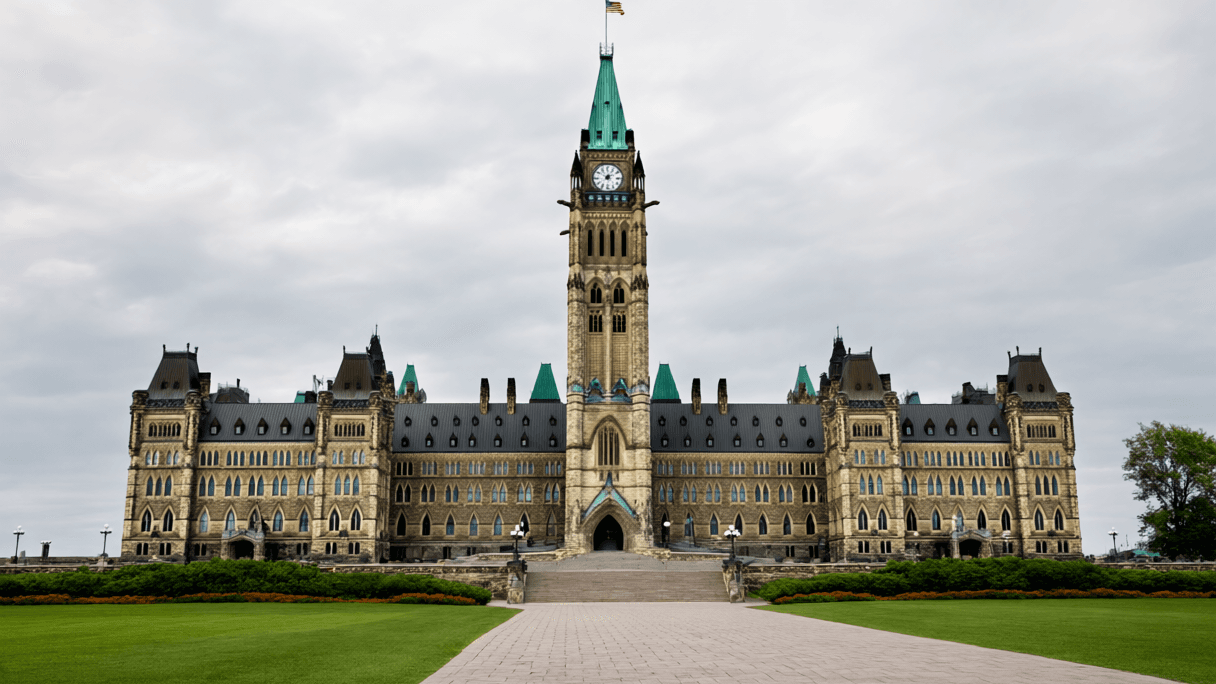
AI-generated image · Bay Street Wire
Immigration Minister Lena Metlege Diab's apparent ignorance of the cornerstone Supreme Court ruling on refugee rights suggests a systemic breakdown in Ottawa's commitment to the Charter.
In the corridors of power in Ottawa, the quality of a minister's briefing is often the only thing standing between a coherent policy and a constitutional crisis. For Immigration Minister Lena Metlege Diab, that gap has now become a public chasm.
As reported by CBC News, Minister Diab appeared fundamentally unfamiliar with the 1985 *Singh v. Minister of Employment and Immigration* decision during a recent interview with Radio-Canada. This is not merely a minor gaffe or a lapse in memory; the *Singh* decision is widely regarded as the cornerstone of the Canadian refugee protection system. The ruling determined that the Charter right to fundamental justice is guaranteed to asylum seekers, a decision that paved the way for the 1989 establishment of the Immigration and Refugee Board of Canada.
According to François Crépeau, a professor emeritus of public international law at McGill University and former United Nations special rapporteur on the human rights of migrants, the *Singh* decision guaranteed that claimants have the right to a comprehensive hearing to detail their circumstances before a qualified decision-maker. For a minister to be unaware of the very legal bedrock upon which her department's refugee apparatus was built is an alarming failure of institutional knowledge.
This ignorance is particularly perilous given the current legislative climate. The Carney government recently passed Bill C-12 in March, which introduces immigration reforms that restrict who is eligible for Refugee Board hearings. Specifically, the legislation mandates that claims are no longer referred to the Refugee Board if they are filed more than one year after a person first entered Canada. Instead, they are subject to a pre-removal risk assessment conducted by an Immigration Canada officer—a process that typically involves written submissions rather than the oral hearings guaranteed under *Singh*.
During the Radio-Canada interview, Diab claimed that Bill C-12 "respects our Canadian Charter," citing her own background as a lawyer and arguing that the changes address asylum case backlogs. However, when pressed on the constitutional right to an oral hearing established by *Singh*, Diab responded that the government would monitor the situation because the law is new. The exchange took a surreal turn when Radio-Canada asked point-blank if she was familiar with the *Singh* decision; after a pause, Diab asked for the name to be repeated, eventually stating she would need to check with her team and noting that "there are many Singhs and many decisions."
This lack of awareness is not happening in a vacuum. Bill C-12 is currently being challenged in court, with lawyers alleging the law violates international and domestic legal obligations. While a department lawyer told a parliamentary committee that the *Singh* decision is respected because oral hearings are only required when credibility is at stake—not in every single case—the Minister's inability to identify the ruling herself undermines the government's position.
Gauri Sreenivasan, co-executive director of the Canadian Council for Refugees, said she was extremely shocked that the minister responsible for Immigration, Refugees and Citizenship Canada appeared not to be fully acquainted with this landmark ruling. When the head of a department is disconnected from the fundamental legal precedents that protect the most vulnerable, it is no longer just a briefing error—it is a systemic disregard for the Charter rights the government is sworn to uphold.