
Voters Signal Hard Pivot Against AI Infrastructure

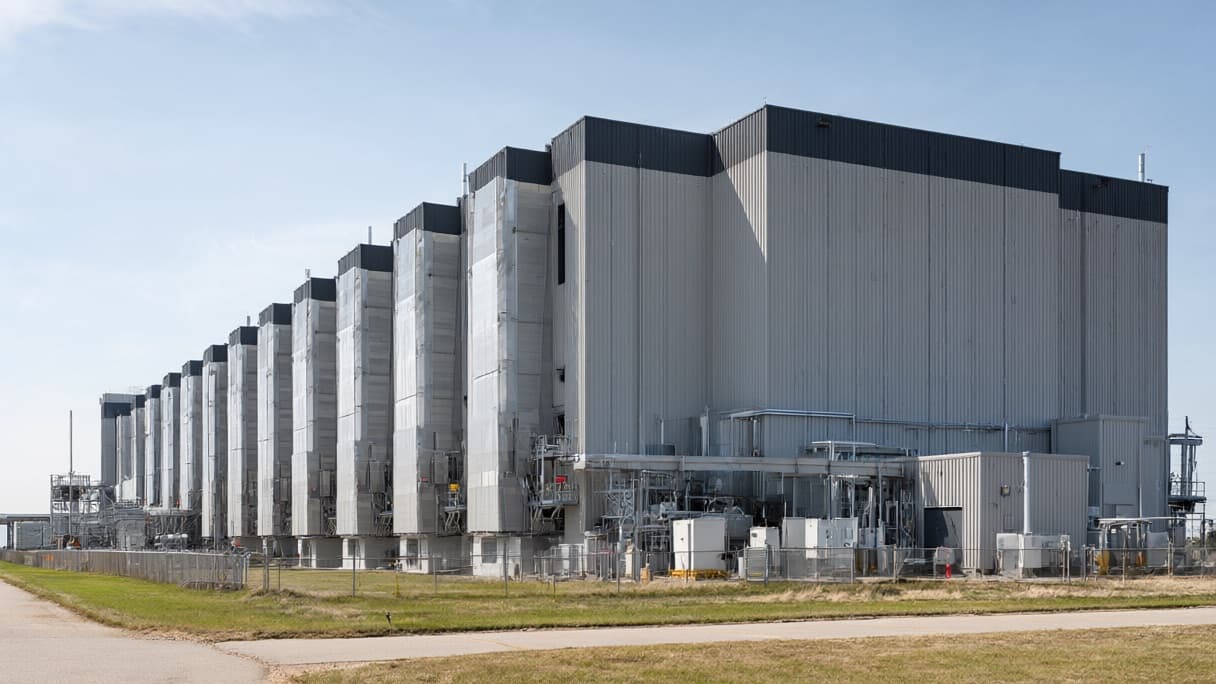
AI-generated image · Bay Street Wire
Election results reveal a widespread mandate for data center restrictions, challenging Big Tech's claim that the backlash is merely partisan.
Recent election results indicate a significant public pushback against the rapid expansion of AI infrastructure, as Ars Technica first reported, contradicting efforts by industry leaders to frame the results as a partisan reaction to Donald Trump.
According to reporting from Ars Technica, voters overwhelmingly supported measures to restrict AI and data centers. Data from Redbud Consulting shows that 38 out of 44 ballot measures seeking such restrictions across 10 states passed, consisting largely of bans and moratoriums. While these may not affect projects approved through 2027, they are expected to impact future developments planned for 2028.
Key political shifts have placed a large portion of the AI buildout at risk. In Texas, a state projected by Axios to provide more than 41 percent of added data center capacity in 2028, Democratic challenger Gina Hinojosa won the governor's race. Hinojosa intends to delay projects to pass laws addressing property rights, electricity, air, and water impacts. Bloomberg reports that approximately 13 gigawatts of capacity are now exposed, with Gordon Johnson of GLJ Research warning that projects lacking state environmental permits could slip 12 to 18 months.
Similar Democratic victories in Arizona, Georgia, and Ohio further complicate the industry's trajectory. Axios estimates that delays could affect nearly two-thirds of data center capacity planned for 2028. Bloomberg estimates that half of all U.S. data centers are now more vulnerable to scrutiny, which comes at a critical time as Gartner estimates the AI boom is nearly $5 trillion short of paying for itself.
Industry insiders have attempted to downplay the mandate. Adam Kovacevich, CEO of the Chamber of Progress and a former Google executive, stated that the results do not prove a mandate to crack down on AI, arguing that voters were reacting to the economy rather than innovation. However, Alejandra Montoya-Boyer of The Leadership Conference’s Center for Civil Rights and Technology cited NBC News exit polls showing that 3 in 4 voters oppose data centers, arguing the midterms were a clear signal that voters want protection from unchecked AI.