
Verizon's Billion-Dollar AI Pivot is a Slap in the Face to Every Monthly Bill Payer

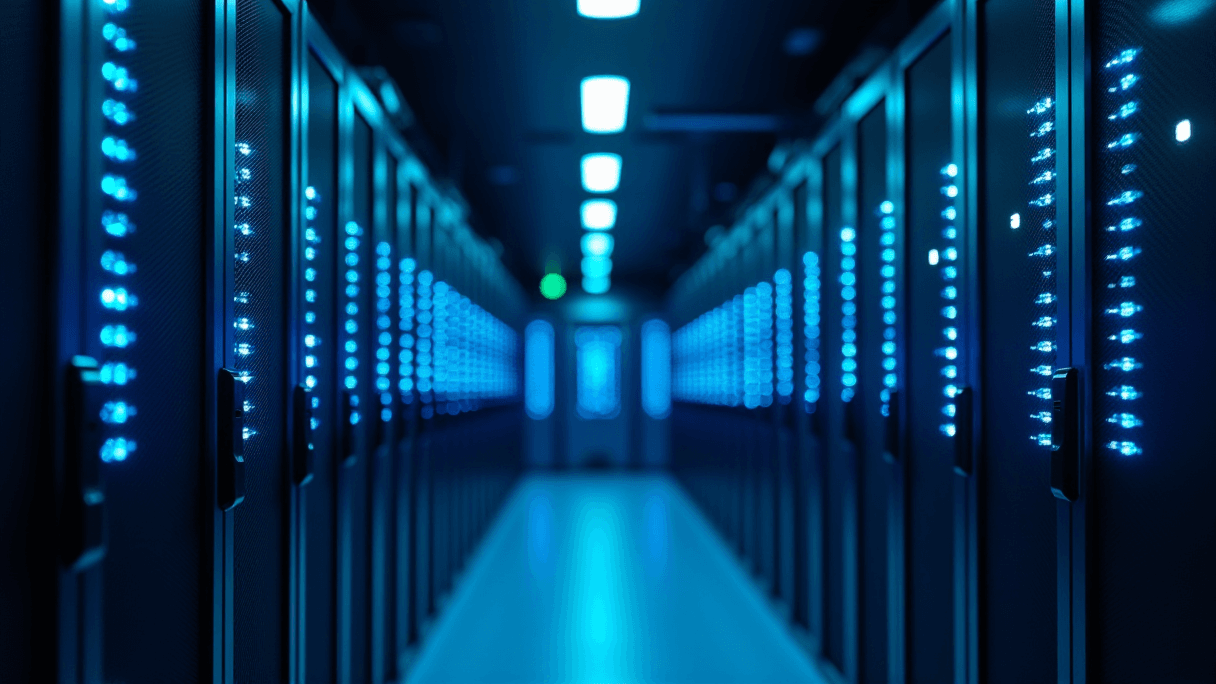
AI-generated image · Bay Street Wire
Opinion: While CEO Dan Schulman brags about massive dark fiber deals for Google, the average consumer is left fighting for fair pricing on basic connectivity.
This is an opinion piece.
Verizon is currently playing a high-stakes game of corporate matchmaking, and the results are making the company very happy. During a second-quarter 2026 earnings call, CEO Dan Schulman touted a new "AI Connect" initiative, headlined by a deal worth over $1 billion to link Google data centers using Verizon's dark fiber routes.
On paper, it's a masterstroke of corporate efficiency. According to reporting from Ars Technica, Verizon is not just selling unused fiber; it is actively gutting its own central offices—ripping out legacy copper wiring—to transform these spaces into small data centers. These hubs are designed for "inference edge computing," supporting high-tech applications like autonomous robotaxi fleets and remote surgery. Schulman even boasted that a small trial of this capability sold out in just 24 hours.
But let's be clear about who is actually benefiting from this "exploding" demand for compute. It isn't the family trying to afford a basic data plan or the small business owner struggling with monthly connectivity costs. It is the hyperscalers and Silicon Valley giants. While Verizon expects future AI-related deals to be "worth multiple billions of dollars in revenue over the next several years," the average consumer remains an afterthought in the company's growth strategy.
What makes this corporate windfall particularly galling is the cost at which it comes. Ars Technica reports that Verizon has been aggressively slashing its workforce. After laying off 13,000 workers at the end of 2025, the company recently transferred 2,500 employees and 274 retail stores to franchise owners, while cutting another 500 corporate positions.
Verizon is essentially streamlining its human cost to maximize its machine profit. They are leveraging a massive fiber footprint—expanded via a $20 billion acquisition of Frontier Communications at the start of 2026—to serve the needs of AI giants, all while the retail experience is franchised away and the workforce is trimmed.
Schulman's vision is one of "ultra-low latency" for robotics and autonomous driving. It's a futuristic dream that sounds great in a boardroom, but it does nothing for the person paying a premium for a reliable signal in their own living room. Verizon is betting that AI Connect will substantially grow revenues and margins over the next five to 10 years, but they aren't mentioning how that wealth will trickle down to the customers who provide the "record second-quarter results" in core mobility and broadband.
When a telecom giant can find a billion dollars to facilitate Google's AI ambitions, it can certainly find a way to make basic connectivity more affordable for the people who actually keep the lights on. Until then, Verizon isn't innovating for the consumer; they are just building a faster lane for the wealthiest companies on earth.