
The Waterfront Power Grab: Ford's Disregard for Municipal Autonomy

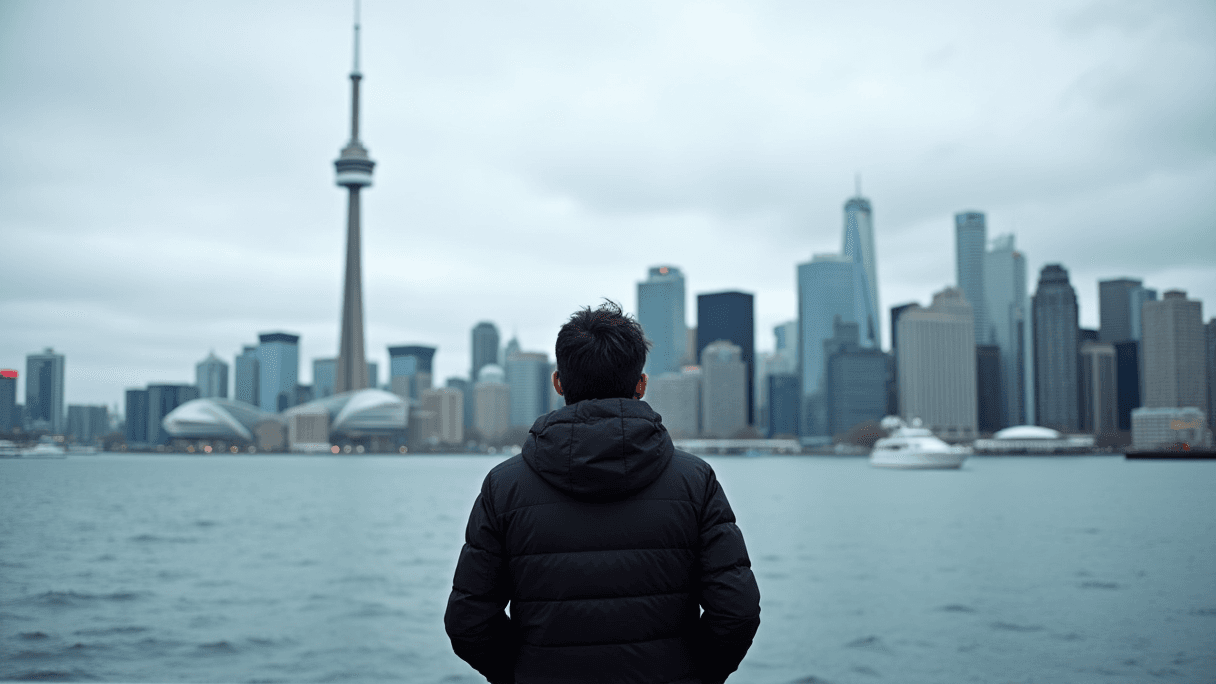
AI-generated image · Bay Street Wire
After the federal government quashed plans to expand Billy Bishop airport, Mayor Olivia Chow is demanding the province return expropriated lands seized under Bill 110.
OPINION: The Ford government's recent maneuvers regarding Toronto's waterfront are more than just a failed infrastructure project; they represent a blatant disregard for municipal autonomy and a willingness to sacrifice urban green space for the sake of a 'special economic zone.'
As CityNews Toronto first reported, Premier Doug Ford pushed forward with Bill 110 in June, legislation designed to seize control of city-owned airport lands. The objective was clear: bypass municipal laws to facilitate the expansion of Billy Bishop airport. By designating the area as a special economic zone, the province attempted to strip the City of Toronto of its authority over its own waterfront assets.
This push for expansion came despite significant warnings. CityNews Toronto reports that concerns were raised regarding the impact on air and water quality, congestion, wildlife, and the development of new housing and parks. The scale of the project was immense; the Toronto Port Authority (TPA)—which operates the airport via a tripartite agreement with Transport Canada and the City of Toronto—estimated the expansion would cost between $4 billion and $5 billion and take roughly 25 years to complete.
Furthermore, the process was shrouded in secrecy. In an urgent motion seconded by Deputy Mayor Ausma Malik, Mayor Olivia Chow accused the TPA of hiding plans from the public and requesting that City officials sign non-disclosure agreements. Chow has also sought clarity on whether a top American bank was lobbying officials to profit from the expansion, as suggested by media reports.
The province's ambitions were ultimately halted not by municipal cooperation, but by federal intervention. Federal transportation minister Steven MacKinnon rejected the plan, stating the federal government would not support the expansion to accommodate noisier and larger jets. MacKinnon explicitly noted that the government would not pursue plans that infringe upon Hanlan’s Point Beach or Little Norway Park, or those that create significant environmental impacts and hinder housing goals.
Now that the expansion is dead, Mayor Chow is demanding the repeal of Bill 110. As reported by CityNews Toronto, Chow is calling for the return of the expropriated lands, including Little Norway Park and the Toronto Islands, asserting that these spaces belong to the residents of Toronto.
While representatives for Premier Doug Ford and the Province have pointed to a statement from Ontario Transportation Minister Prabmeet Sarkaria claiming Ontario remains a full member of the tripartite agreement, the damage to the city-province relationship is evident. The attempt to seize these lands reveals a government more interested in top-down infrastructure wins than in respecting the democratic autonomy of Canada's largest city.