
The Procurement Failure: How a 'Non-Compliant' Towing Ring Infiltrated Toronto Police

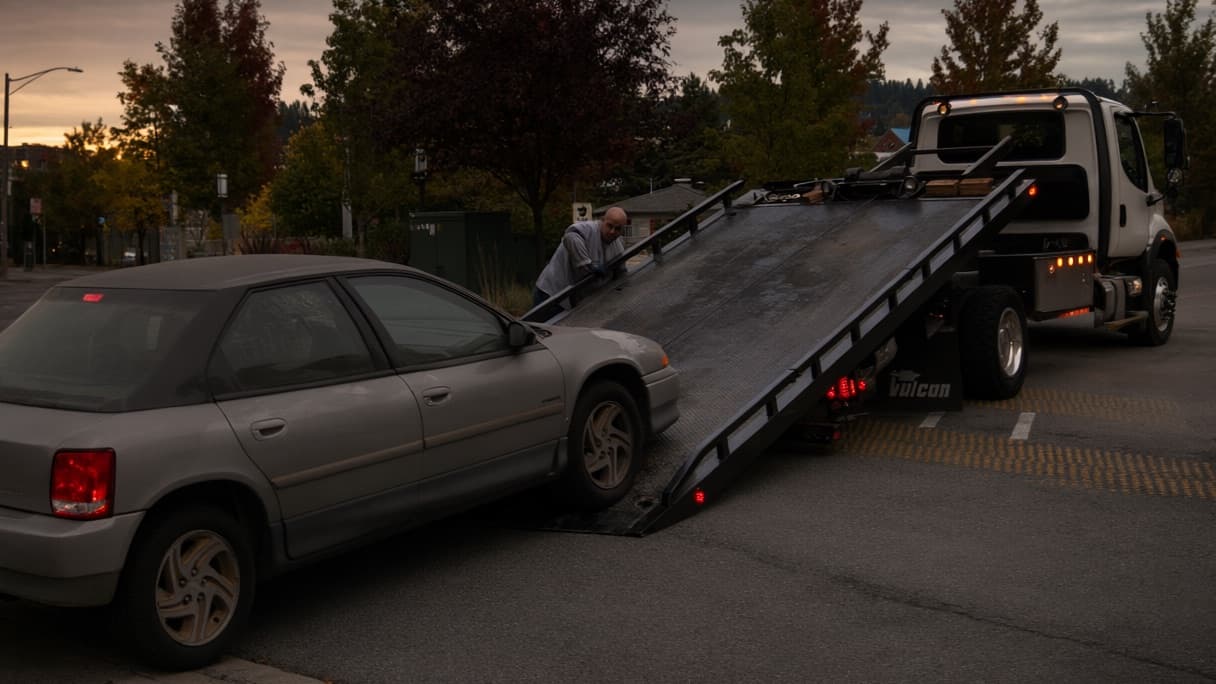
AI-generated image · Bay Street Wire
Twenty-one arrests are a start, but the real scandal is a police contract awarded to a company deemed non-compliant—led by a man now accused of conspiracy to commit murder.
The numbers coming out of 'Project Swords' are staggering: 21 arrests and 112 criminal charges. As CBC Toronto first reported, the scope of this alleged organized crime ring spans firearm trafficking, auto theft, arson, and fraudulent physiotherapy clinics. Most disturbing is the allegation from Toronto Police that the ringleader, 43-year-old Manoharan Subramaniam of Whitby, directed a conspiracy to murder two individuals who were also connected to the towing industry.
But as a crime reporter, the arrests are only half the story. The real failure is the systemic lack of oversight that allowed a criminal enterprise to operate under the official umbrella of the Toronto Police Service.
Investigators allege Subramaniam exercised control over two GTA towing companies: Bob's Towing and Williams Towing. While assets were registered to others, police say Subramaniam ran the operations. In May 2025, Williams Towing was granted the towing contract for Toronto Police's east-end zone.
According to CBC Toronto, notes from a Toronto police board meeting in April 2025 explicitly state that the application from Williams Towing was "deemed non-compliant." Despite this red flag, the contract was pushed through via non-competitive procurement because no other applications were submitted for the east zone and the area required coverage. This means the very agency tasked with upholding the law entrusted the towing of illegally parked vehicles and traffic stop recoveries to a company that failed to meet its own application standards—a company later linked to a man accused of directing murders.
Coun. Shelley Carroll, chair of the Toronto police board, told CBC Toronto that the board was unaware of the "deeply troubling" allegations and claimed they exercised oversight by examining the service's recommendation. However, the fact remains that a "non-compliant" entity was given a government contract.
The human cost of this industry's lawlessness is evident in the data. Chief Supt. Joe Matthews told reporters that tow-truck disputes were linked to 62 shooting and firearm incidents in 2024, representing nearly 13 per cent of all such incidents in Toronto. While the Chief Supt. notes that these numbers have dropped to five incidents so far this year, the fact that a suspected crime boss was effectively a police contractor suggests the "good police work" cited by the department was lagging far behind the criminals it was meant to monitor.
Toronto police terminated the contract with Williams Towing "immediately" last week upon the discovery of these links. But the damage was already done. When a police department bypasses its own compliance standards to fill a service gap, it doesn't just create a vacancy—it creates a vulnerability. Twenty-one arrests clean up the street, but they don't fix a procurement process that allowed a murder conspiracy to park in the police garage.