
The Watchdogs on Trial: When Military Police Face the Justice System

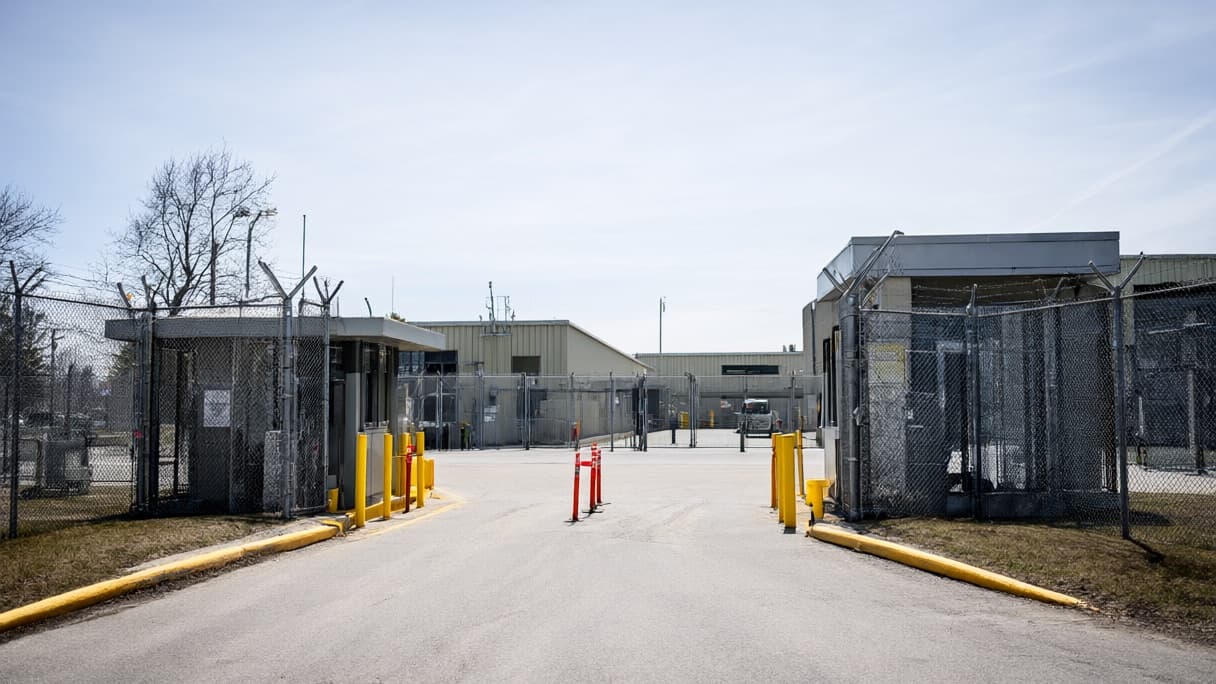
AI-generated image · Bay Street Wire
The charging of Sgt. Harold Cubillos-Tejada with five service offences raises critical questions about accountability and the internal mechanisms of military discipline.
### A Breach of Trust
In any functioning justice system, the integrity of the institution rests upon the conduct of those tasked with enforcing the law. When the officers responsible for maintaining order are themselves accused of breaking it, the resulting crisis of confidence is inevitable. This is the precarious position currently facing the Canadian Forces Military Police following the announcement that one of their own is facing a series of serious allegations.
As first reported by CityNews Toronto, five service offences have been laid against Sgt. Harold Cubillos-Tejada, a member of the Canadian Forces Military Police. The nature of these charges suggests a breakdown in the very chain of command and discipline that the military police are sworn to uphold.
### The Charges Against Sgt. Cubillos-Tejada
While the military police have remained tight-lipped regarding the specific details of the alleged misconduct, the charges themselves paint a picture of defiance and instability. As reported by CityNews Toronto, Sgt. Cubillos-Tejada is accused of:
* Being absent without leave; * Two counts of disobeying a lawful command issued by a superior officer; * Two counts of conduct that is deemed prejudicial to good order and discipline.
In the rigid hierarchy of the armed forces, disobeying a superior officer and abandoning one's post are not merely administrative errors; they are fundamental breaches of military duty. When such actions are attributed to a member of the police force—the unit responsible for investigating and prosecuting these exact infractions in others—it creates a systemic paradox.
### Administrative Limbo and the Path to Prosecution
The immediate response from the military leadership has been to remove Sgt. Cubillos-Tejada from the front lines of law enforcement. Brig.-Gen. Vanessa Hanrahan, who serves as the commander of the military police, confirmed via CityNews Toronto that the sergeant has been suspended from all policing duties and functions. He has since been reassigned to administrative duties while the process unfolds.
Beyond the immediate suspension, Brig.-Gen. Hanrahan stated that Cubillos-Tejada is currently the subject of a professional code of conduct investigation. This internal review serves as a parallel track to the service offences, focusing on whether the sergeant's behavior violated the ethical and professional standards required of military police officers.
### The Question of Transparency
One of the most troubling aspects of this case is the lack of transparency regarding the specifics of the allegations. CityNews Toronto noted that the military police did not provide detailed information concerning the alleged offences. This opacity is often a hallmark of the military justice system, which frequently operates away from the public scrutiny applied to civilian courts.
Brig.-Gen. Hanrahan has indicated that the military justice system will handle the case should the charges proceed to prosecution. This internal loop—where the military investigates, prosecutes, and judges its own—is precisely where the risk of perceived bias is highest. When the defendant is a member of the policing arm, the pressure to maintain a facade of institutional stability can sometimes clash with the necessity of transparent justice.
### Accountability in the Ranks
For the military justice system to retain its legitimacy, it must prove that no individual, regardless of their rank or their role as an enforcer, is above the law. The case of Sgt. Harold Cubillos-Tejada is more than a personnel issue; it is a test of whether the Canadian Forces can hold its own watchdogs accountable without shielding them from the consequences of their actions.
As the professional code of conduct investigation continues and the possibility of prosecution looms, the military community and the public are left to wonder: if those tasked with policing the military are breaking the law, can the internal system truly be trusted to deliver an impartial verdict?