
The Polished Pipeline: Microsoft and CMU's New AI Training

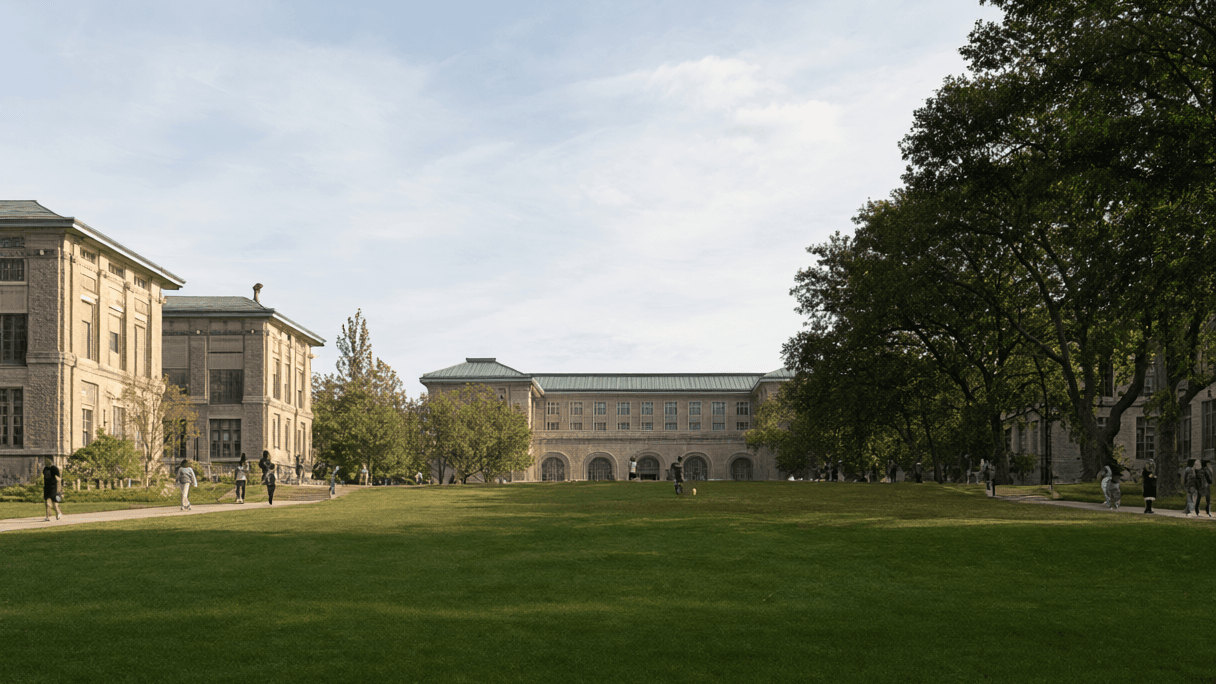
AI-generated image · Bay Street Wire
A new partnership promises to ready early-career engineers for an AI-driven world, but the 'non-traditional' promise feels thin when the gatekeepers remain the same.
Q: What is the PRAISE program?
A: As first reported by CMU.edu, the Preceptorship for AI-accelerated Software Engineering (PRAISE) is a partnership between Microsoft and Carnegie Mellon University's Kenneth C. Griffin School of Computer Science. The program is designed to train early-career software engineers to navigate a computer science landscape being rapidly altered by artificial intelligence.
Q: How does the program actually function for the employees involved?
A: As reported by CMU.edu, selected early-career engineers—referred to as "preceptees"—work under the guidance of senior engineering preceptors at Microsoft. This hands-on mentorship is paired with online courses from CMU's School of Computer Science (SCS). For example, current participants are enrolled in courses titled "Machine Learning in Production" and "Preceptorship in AI-Augmented Software Engineering I," which focus on incorporating machine learning into software and utilizing AI tools during the development process.
Q: What was the catalyst for this partnership?
A: CMU.edu reports that the program was conceived following an October 2025 visit to the SCS by Mark Russinovich, a CMU alumnus who serves as the chief technology officer, technical fellow for Microsoft Azure, and deputy chief information security officer. Russinovich observed that while AI tools benefit senior engineers, junior engineers do not receive the same level of benefit. He argued that while AI changes the nature of the work, it does not remove the necessity for human accountability, judgment, or the role of junior engineers.
Q: Who is this program intended to help, and why is that framing problematic?
A: SCS Dean Martial Hebert told CMU.edu that the partnership aims to bring high-quality learning to individuals who are not in the "traditional education system." However, in my view, this framing is misleading. The program is exclusively available to those already hired by Microsoft. While the university claims to be reaching outside traditional systems, they are simply providing additional polishing to a demographic that has already cleared the highest corporate hurdles. Without a radical shift in who Microsoft recruits into these "early career" roles, PRAISE is not expanding access—it is merely reinforcing the pipeline for the privileged few who have already made it inside.
Q: What is the academic justification for the program?
A: Michael Hilton, a teaching professor in CMU's Software and Societal Systems Department (S3D), stated via CMU.edu that early-career engineers previously gained expertise through specific tasks that are now changing. He suggests that combining academic research with the daily realities of software development creates a more effective solution for training these workers.
Q: What is the ultimate goal of the initiative?
A: Microsoft stated in its announcement that the intent is to accelerate preceptees through formal curricula that complement the guidance of their preceptors, ensuring they have the judgment necessary to build and deliver software in an AI-augmented environment. Russinovich expressed hope that other academic and industry leaders would adopt this model.