
The Gated Community of Age-Tech: Who is the 'Full-Stack House' Actually For?

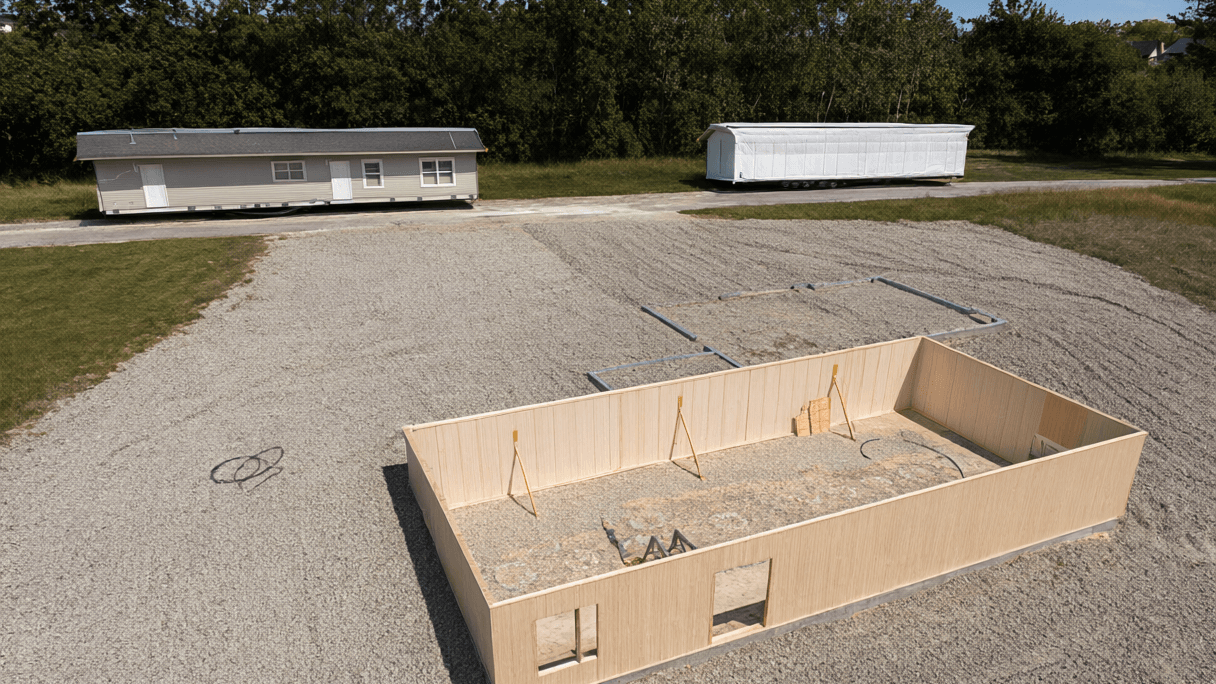
AI-generated image · Bay Street Wire
Garden Loft promises a high-tech revolution in senior living, but as 'age-tech' becomes the new industry buzzword, the divide between luxury innovation and accessible care widens.
### Opinion: The Innovation Gap
In the current tech cycle, we are seeing the rise of 'age-tech'—a glossy term for digital tools designed to manage the health and independence of seniors. On the surface, it is a noble pursuit. But as a columnist focused on access and inclusion, and looking at reporting first published by BetaKit, I find myself asking a recurring question: is this technology actually solving the accessibility crisis for the masses, or is it simply building high-tech gated communities for the wealthy?
When we talk about 'full-stack' solutions in housing, we are often talking about products that are out of reach for the very people who need them most—the low-income seniors who are currently caught in a purgatory between independence and the crushing cost of round-the-clock care. If the future of aging is a luxury modular suite, we aren't solving a crisis; we are just automating privilege.
### The 'Tesla' of Housing
According to reporting from BetaKit, a Calgary-based company called Garden Loft is attempting to position itself as the 'Tesla of housing.' Founded in 2022 by Matthew North, University of Calgary dean of architecture John Brown, and Carina van Olm Brown, the company builds prefabricated, modular housing specifically for older adults and individuals with differing abilities.
John Brown describes the Garden Loft as the 'world’s first full-stack house,' drawing a parallel to Tesla's deeply integrated technology. The goal, as BetaKit reports, is to create an alternative to assisted living facilities—which are often underfunded—and the high costs of in-home care.
Garden Loft evolved from a previous venture, a boutique design and construction firm called Housebrand. Brown told BetaKit that while custom renovations for aging are effective, they do not make sense for the broader housing market. This led Brown, serving as dean of the U of C’s School of Architecture, Planning, and Landscape, to form a research partnership with the Cumming School of Medicine in 2014. The partnership explored integrating medical technology into backyard suites that could be leased, installed, and removed based on a resident's changing health needs.
### High-Tech Care or High-Tech Surveillance?
The 'full-stack' nature of these homes is evident in the integration of 'gerontechnology.' BetaKit describes these suites as having cutting-edge tech hidden behind modern decor, including teak-wood finishes and glassy entranceways. The physical innovations include injury-resistant flooring that Brown claims can reduce the impact of falls by as much as 43 percent.
However, the most significant integration is the software. Garden Loft utilizes a proprietary digital platform capable of monitoring 37 different data streams. This system tracks metrics including:
* Gait speed and stability * Hydration levels * Sleep quality * Toilet use * General activity levels
This data is processed by an algorithm that flags early warning signs of health decline using a color-coded gradient (green for good, yellow when three or four indicators emerge). While the company was recognized with the City of Calgary’s 2023 accessibility award, the level of surveillance is striking.
### The Privacy Price Tag
When questioned by BetaKit about the 'Big Brother' implications of this constant monitoring, John Brown maintained that residents—most of whom are in their mid-80s or older—retain agency over their data. Brown stated that users can choose to cede access to family members or healthcare providers.
There are, however, lingering questions regarding the security of this sensitive information. Brown admitted to BetaKit that the company is still 'working right now around data privacy.' In a follow-up with the outlet, Brown clarified that Garden Loft would store generated data on private, domestically located servers and asserted that user data 'will not be sold or otherwise shared.' Notably, Brown characterized the data as 'behavioural' rather than 'medical,' though he acknowledged its sensitivity.
### The Accessibility Question
Garden Loft represents a fascinating leap in how we think about the intersection of architecture and health. But for the senior who cannot afford a luxury modular suite or the family struggling to provide care without professional help, these developments feel distant.
As we embrace the 'age-tech' trend, the industry must move beyond the 'Tesla' model of luxury disruption. If the goal is truly to improve the well-being of seniors, the focus must shift from creating the most sophisticated house in the world to ensuring that the benefits of gerontechnology are accessible to everyone, regardless of their socioeconomic status.