
The Peacekeeping Fairy Tale is Dead; It's Time to Admit It

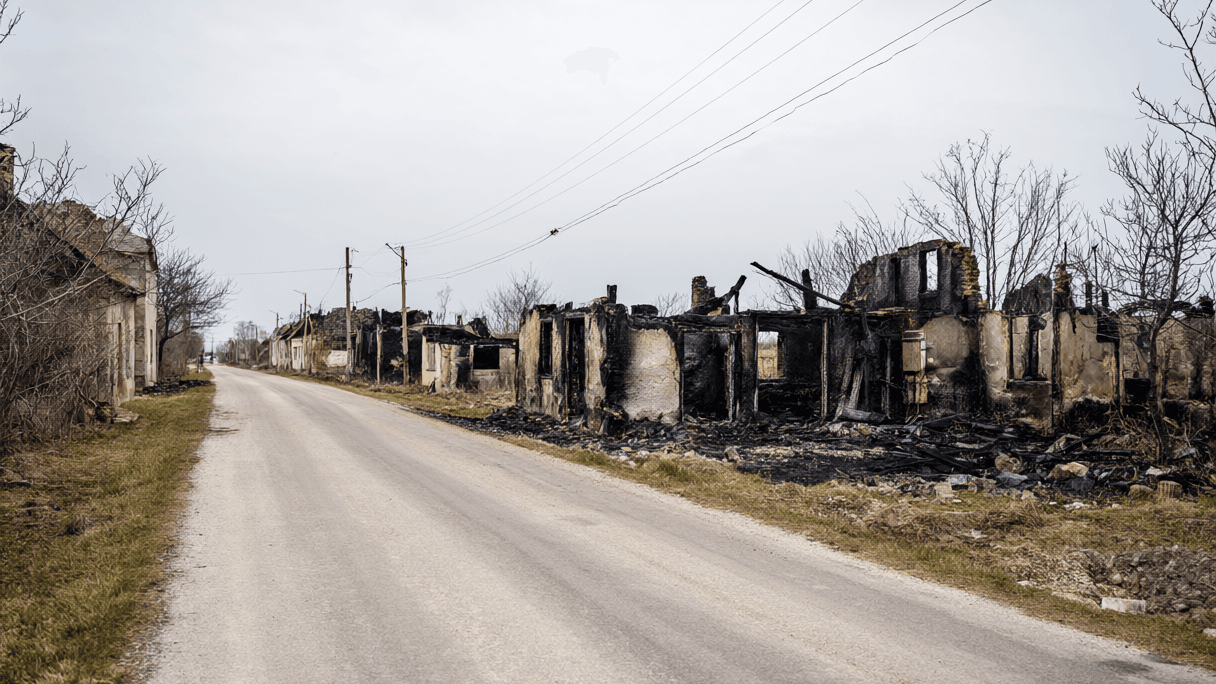
AI-generated image · Bay Street Wire
Opinion: Retired General Wayne Eyre’s revelations about the failure of UN-style missions prove that Canada's global reputation was built on a brand of strategic inaction.
For decades, Canada has leaned on a sanitized, comforting narrative: the image of the benevolent peacekeeper, standing as a neutral buffer in a chaotic world. It is a brand we have clung to with desperation, using it to signal a moral superiority on the world stage. But as reported by CityNews Toronto, retired general Wayne Eyre is finally calling it what it is: a myth that needs to fade away.
In his memoir, *Into the Breach: A Soldier’s Journey*, Eyre argues that traditional, UN-style peacekeeping has been a ghost for decades. He doesn't just speculate on this; he witnessed the collapse of the ideal firsthand. While serving as a captain with the 2nd Battalion Princess Patricia’s Canadian Light Infantry at the 1993 Battle of Medak Pocket in the former Yugoslavia, Eyre experienced the reality of using minimally armed forces to separate combatants. The result wasn't peace; it was a failure to prevent a brutal escalation of violence.
Eyre describes a harrowing scene in the village of Lički Čitluk, where Canadian forces pushed past a roadblock to find evidence of ethnic cleansing amidst burning buildings. The lesson was stark and brutal: the only thing belligerents respected was force. The United Nations Protection Force simply could not provide enough of it. When we look back at these missions, we shouldn't see a triumph of diplomacy; we should see a turning point where under-resourced peacekeepers became targets because they lacked the means to actually stop the slaughter.
This is the gap between the brand and the reality. We pretended that being a 'buffer' was a strategic choice, when in reality, it was often a recipe for impotence. Eyre notes that the utility of many modern peacekeeping missions—particularly in Africa, where there is significant local reluctance toward large Western forces—is now in question. The geopolitical backdrop has shifted, yet the Canadian political class has remained wedded to a ghost.
Eyre’s tenure as chief of the defence staff from 2021 to 2024 highlighted the friction between this romanticized past and a depleted present. He tells CityNews Toronto that he frequently dealt with politicians who failed to grasp the impact of their decisions or the extent to which the Canadian Armed Forces had been stretched thin by decades of underfunding. While some in government viewed him as obstructionist, Eyre was simply dealing with the reality of what was 'on the shelf.'
If we are to be honest about our international standing, we must stop pretending that the 'peacekeeper' identity is a viable strategy for the 21st century. Eyre points to the current deployment of 2,000 troops in Latvia—leading a battalion on NATO’s eastern flank—as the most geopolitically significant operation Canada has undertaken since the Cold War ended. This is not 'peacekeeping' in the traditional, sanitized sense; it is a calculated deployment of military power within a strong alliance to deter aggression.
It is time to stop hiding behind the fairy tale. The 'peacekeeping' era ended in the early 1990s, buried under the smoke and death of places like Medak Pocket. Admitting that our previous model was a failure isn't an admission of weakness—it's an admission of reality. Only by killing the myth can we actually figure out how to be useful in a world that no longer respects the buffer.