
The Neocloud Gamble: Why Nebius’s Capital Structure is a House of Cards

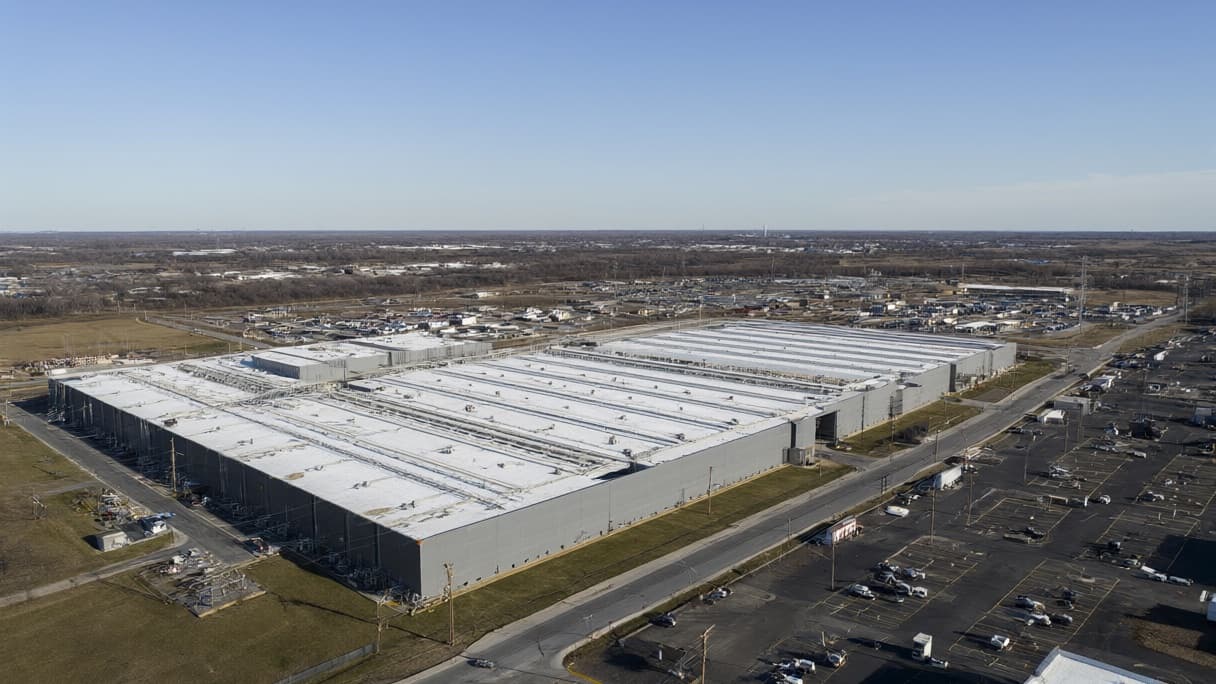
AI-generated image · Bay Street Wire
Opinion: By relying on customer prepayments to fund a massive $40 billion capex expansion, Nebius is courting insolvency if its delivery timeline continues to slip.
In the high-stakes race to build AI compute capacity, Nebius is attempting a financial maneuver that is as ambitious as it is precarious. As TechCrunch first reported, the company unveiled a plan during its third-quarter earnings call to spend $40 billion in 2027—a figure that far exceeded Wall Street's expectations. While the scale of the ambition is clear, the underlying capital structure is a gamble that assumes a frictionless path to deployment that the company's own operations are already contradicting.
**Opinion: The Fragility of the Prepayment Model**
Nebius is leveraging the future value of its data centers to finance their present construction. According to TechCrunch, the company intends to fund its buildout through a combination of loans backed by customer contracts and direct customer prepayments. CFO Maria Del Dado Alonso Sanchez specifically identified contracts with Meta and Microsoft as assets that can be financed in this manner, while chief revenue officer Marc Boroditsky noted that the company could utilize prepayments to address additional cash requirements.
This model only functions if capacity is delivered on time. If projects are delayed, the company is left with massive capex burn and shrinking revenue to service the debt. In short, Nebius is betting its solvency on flawless execution in an industry where, as CEO Arkady Volozh admitted, "delays are part of our industry right now."
**The New Jersey Warning Sign**
Cracks are already visible in Vineland, New Jersey, where TechCrunch reports a Nebius data center—funded by Microsoft—is months behind schedule. While the Microsoft contract is valued at up to $19.4 billion, only slightly more than half of the capacity is now expected by the end of this year, with the remainder pushed to Q2 2027.
The delays stem from a mix of operational and regulatory failures. Andrey Korolenko, chief product and infrastructure officer, attributed the delay to third-party operator DataOne winding down temporary generation to switch to Bloom Energy fuel cells. However, TechCrunch notes this followed a report from Floodlight finding at least 45 natural gas generators operating without permits, resulting in a $1.1 million fine from New Jersey regulators.
**The Microsoft Factor**
The relationship with Microsoft is a critical vulnerability. TechCrunch highlights that Microsoft’s contract allows it to terminate service after a grace period if deadlines are missed and no alternative capacity is provided, and includes penalties for late delivery.
Bloomberg reports that Microsoft is tightening oversight on third-party projects, including those run by Nebius, Nscale, and IREN. Microsoft has already shown a willingness to walk away; Bloomberg reports it decided not to double its Nscale agreement for a Texas facility and ceased being an anchor customer for Nscale’s Essex site due to power delays.
**A Precarious Balance Sheet**
Nebius ended the quarter with $7.4 billion in cash and expects prepayments and asset-backed financing to cover up to 85% of its projected $40 billion to $45 billion capex spend for 2027. While third-quarter revenue rose 571% to $981 million, TechCrunch notes roughly a third of this was a one-time payment.
The market is already pricing in this risk: shares dropped 17% following the earnings announcement, and Nebius cut its 2026 revenue forecast by $200 million to $3 billion. By tethering its survival to the timely delivery of complex infrastructure, Nebius has created a capital structure that is one missed deadline away from a liquidity crisis.