
The 'Innovation' Charade: Why Big Tech Must Pay Its Connectivity Debt

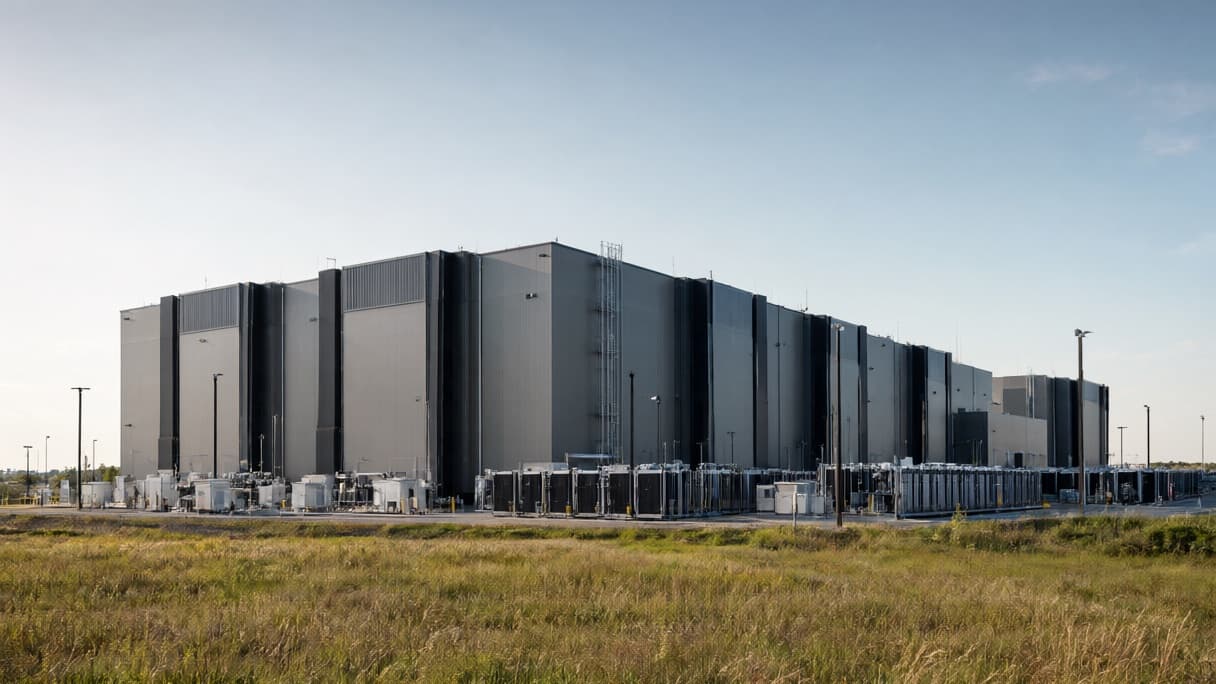
AI-generated image · Bay Street Wire
Opinion: With the 2026 elections signaling a massive public backlash against AI and Big Tech, it is time to stop letting data center expansions masquerade as progress and start demanding a public return on investment.
For too long, the Big 3 have operated under a convenient delusion: that their insatiable appetite for data center expansion is a benevolent gift of 'innovation' to the public. But the mask is slipping. As we look at the political landscape following the 2026 midterms, it is clear that the public is no longer buying the sales pitch. It is time to stop the predatory expansion and force these giants to pay the connectivity tax they owe the people.
Reporting from The Verge makes the shift undeniable. In the 2026 elections, millions of American voters didn't just cast ballots; they sent a message, voting overwhelmingly for Democrats and specifically against AI. This wasn't a fluke; it was a referendum. According to The Verge, the fight against Big Tech is now "roaring back," and the companies attempting to build more data centers are finding the path forward significantly harder. The public has recognized that the "explosive growth" touted by companies like OpenAI in web search doesn't necessarily translate to value for the average citizen—especially when even a giant like Google is struggling to figure out how to actually make money from AI web search.
While the tech giants scramble to justify their energy and land grabs, the government's role should be to ensure that this infrastructure serves the public good, not just the corporate bottom line. We see a glimpse of what sovereign investment looks like in Canada. As reported by BetaKit, Prime Minister Mark Carney’s government is pushing a vision of sovereignty and resilience. Budget 2026 includes a commitment to supply 500 MW of compute specifically for Canadian tech companies, ensuring that the tools of the future aren't exclusively owned by a few foreign behemoths. Canada is also exploring a Technology Stability Board to ensure advanced AI models remain under human control.
If the Canadian government can commit $50 billion through a National Electricity Strategy to double electricity supply by 2050, and invest $6.5 billion into a nuclear strategy, it proves that large-scale energy and infrastructure planning is possible when the goal is national resilience rather than quarterly earnings.
But here is the rub: the Big 3 have spent years treating public resources—our land, our power grids, and our data—as a free buffet. They call it 'scaling,' but for the consumer, it looks like predatory expansion. The Verge notes that businesses are already scaling back and AI agents aren't taking over the world as promised. The bubble is leaking, yet the data centers keep rising.
We must stop accepting the narrative that these facilities are inherently innovative. A data center is not a community center; it is a resource drain. If these companies want to continue their expansion, they should be required to pay a connectivity tax—a direct reinvestment into the public infrastructure they strain.
The voters have spoken. The era of unchecked AI expansion is over. It is time to stop the corporate hiding and start making the Big 3 pay their fair share for the connectivity they've monopolized.