
The Illusion of Deradicalization: Why the Parole Board's Secret Metrics Fail the Public

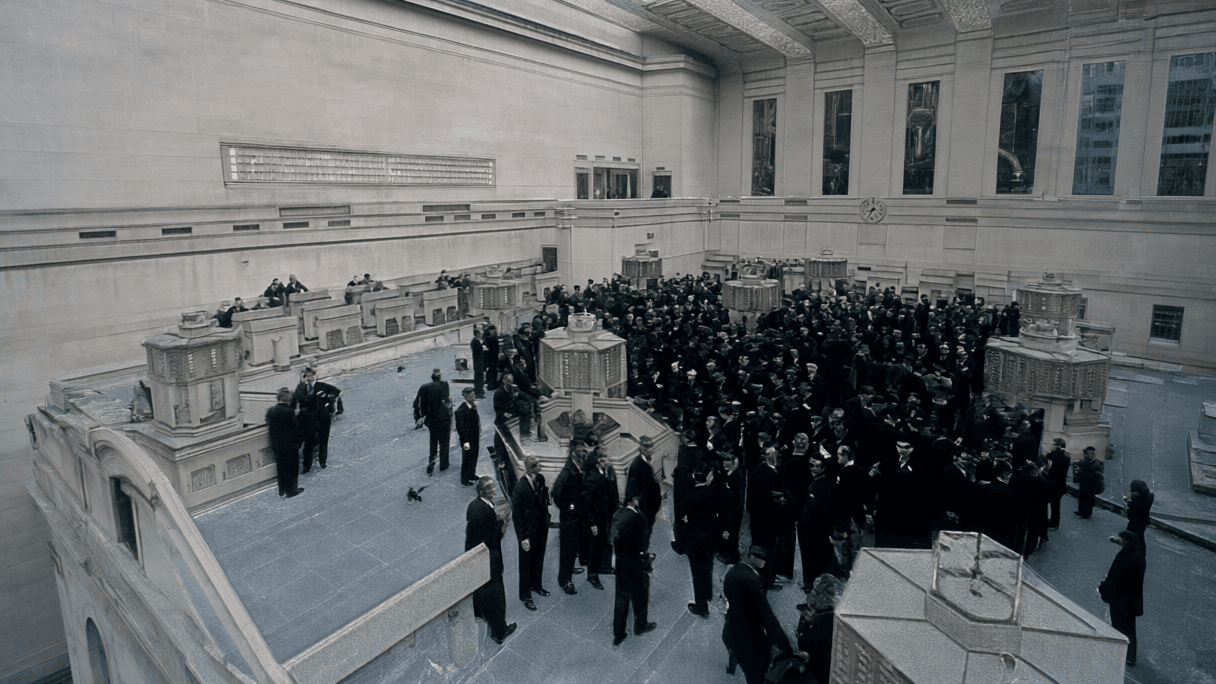
AI-generated image · Bay Street Wire
Opinion: The decision to grant full parole to Zakaria Amara reveals a systemic lack of transparency in how the state measures the 'cure' for extremism.
The release of Zakaria Amara on full parole is not merely a legal milestone; it is a diagnostic failure of transparency. As first reported by Global News, the Parole Board of Canada has decided that a man who once led a plot to bomb the Toronto Stock Exchange, a military base, and the Canadian Security Intelligence Services headquarters no longer shows "any signs of holding onto extremist beliefs," asking the public to trust a process that remains shrouded in redactions.
Amara was a ringleader in the Toronto 18 terror plot, a homegrown effort fueled by jihadist ideologies intended to force the withdrawal of Canadian troops from Afghanistan. His crimes were not incidental; he pleaded guilty to participating in a terror group with the intent to cause explosions likely to result in death or serious bodily harm. He was sentenced to life in prison, a sentence that was upheld on appeal.
Now, the board claims Amara has undergone a "process to deradicalize." But what does that process actually entail? The board's written decision, which Global News notes contains several redactions, cites a "positive change, both in attitude and in behaviour." It points to the fact that since 2019, correctional officers described him as "respectful, polite and quiet."
Herein lies the systemic failure: the conflation of compliance with conviction. Being "polite and quiet" in a medium-security institution is a measure of behavioral management, not necessarily a psychological erasure of extremist ideology. The board admits that Amara's "problematic and extremist ideologies and attitudes" persisted during his first few years of incarceration, accompanied by incidents of misconduct. While the board asserts his ideology "began to shift" in 2014, the criteria used to validate this shift are not made public.
We are told that Amara used his four years of day parole for its "intended rehabilitative purpose." He was monitored in his friendships, internet use, and relationships. Yet, the board's decision to upgrade him to full parole relies on internal metrics that the public cannot scrutinize. When the state manages the "deradicalization" of a high-profile terror ringleader, the burden of proof should be transparent and rigorous, not hidden behind redacted documents.
To be clear, the board has imposed conditions. Amara is barred from contacting anyone involved in criminal activity—including those arrested in the June 2006 raids—or anyone with extremist ideologies, unless it is part of his work as a consultant for a specialized program. He remains subject to financial monitoring and restrictions on his phone and internet use. He must also continue counseling.
However, these restrictions are reactive measures, not evidence of a successful cure. The board's conclusion that Amara no longer holds radical ideologies is a profound claim that requires profound evidence. Instead, the public is given a narrative of a man who now plans to live in his own home, attend a mosque, and maintain a full-time job.
By granting full parole based on a "process" that is not clearly defined or publicly articulated, the Parole Board of Canada is operating in a vacuum of accountability. If the state is to convince a society—one that was shocked by the Toronto 18 plot two decades ago—that a ringleader is safe, it cannot do so through redacted summaries and reports of "polite" behavior.
Zakaria Amara's return to society is a test of the system's integrity. But without transparency regarding the criteria for deradicalization, the system isn't testing the prisoner; it is testing the public's willingness to ignore the gaps in the state's logic.