
Efficiency or Erasure? Ontario's Push to Slash Archaeological Approval Times
Part of the storyline: Toronto's Housing Crunch →
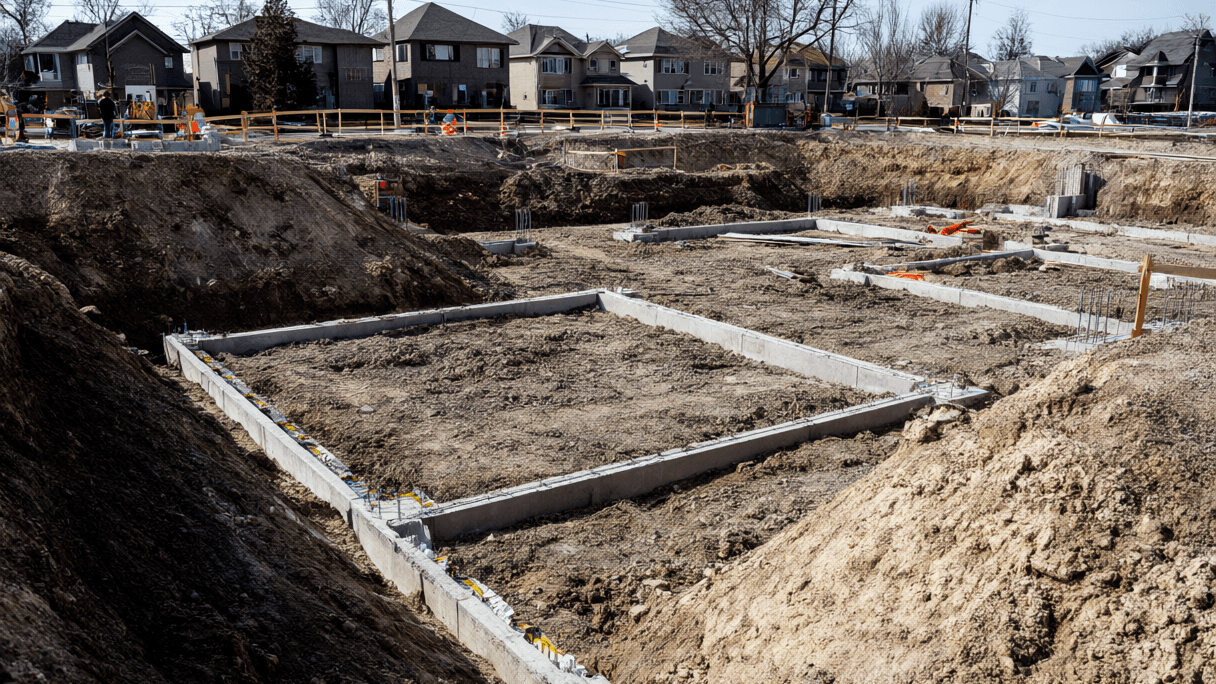
AI-generated image · Bay Street Wire
The province promises an 80% reduction in wait times to accelerate housing, but critics warn of political control over heritage sites and the risk of erasing Indigenous history.
Ontario is proposing a sweeping overhaul of its archaeological approval process, framing the move as a necessary step to alleviate the housing crisis, as CBC Toronto first reported. Minister of Citizenship and Multiculturalism Graham McGregor announced on Tuesday that legislative changes could reduce wait times for archaeological approvals by up to 80%, which the province claims will increase the capacity to build infrastructure and homes by 45%.
According to reporting by CBC Toronto, the proposed changes include the streamlining of approvals for small-scale, low-risk projects and the implementation of digital tools to replace legacy systems. McGregor stated that the goal is to create a system that is more "predictable, transparent and efficient," noting that some current assessments take years to complete. The province plans to roll out these changes in phases starting in early 2027.
However, the shift toward efficiency raises significant accountability concerns. CBC Toronto notes that since 1983, Ontario's archaeological framework relied on professional judgment and arms-length expertise. That shifted with the passage of Bill 5 last year, which amended the Ontario Heritage Act to allow elected officials to make or reverse heritage decisions behind closed doors.
Indigenous leaders have expressed cautious engagement while highlighting a history of systemic erasure. Grand Council Chief Linda Debassige, representing the Anishinabek Nation, confirmed the signing of a bilateral table agreement with the ministry. However, Debassige warned that the province's history is stained by development on First Nations burial grounds, citing the 1995 Ipperwash crisis where the fatal police shooting of Dudley George occurred during a land dispute over a sacred burial site.
Debassige also raised concerns regarding the financial burden on property owners who discover artifacts or remains, noting that the high cost of assessments may incentivize people to "turn a blind eye" to history. When asked if the province would offer financial aid to homeowners facing these costs, Minister McGregor stated that such aid is not part of the proposed changes.
Industry representatives have welcomed the move. Scott Andison, chief executive officer of the Ontario Home Builders' Association, told reporters that removing "red tape" is essential for reducing costs and accelerating the homebuilding process, though he acknowledged the need to balance development with Indigenous rights.
From a professional standpoint, Paul Racher, a managing principal at Archaeological Research Associates Ltd., observed that most archaeological sites were destroyed for a long period. While he noted the current system remains imperfect, he described the increased consultation with Indigenous communities as a positive step.