
The High Cost of AI: Why Ontario Cannot Gamble With Its Energy Grid

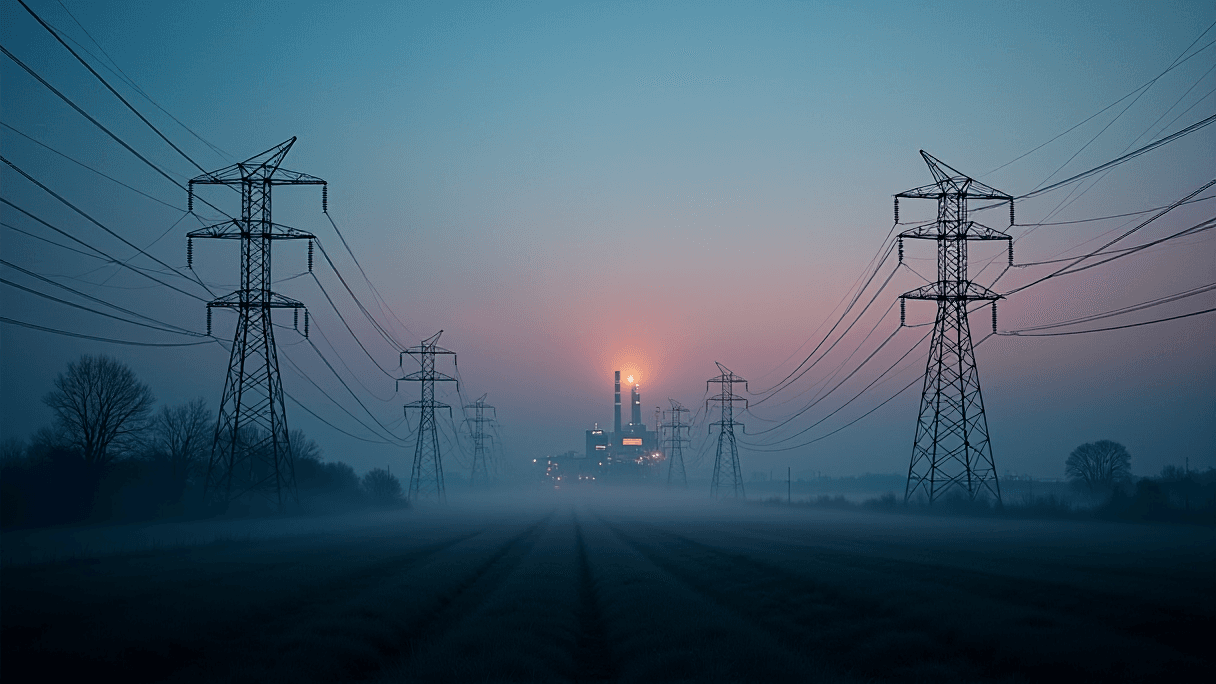
AI-generated image · Bay Street Wire
As data centers proliferate across the province, calls for a moratorium grow amid fears over water consumption and power stability.
*(Opinion)*
Ontario is currently witnessing a digital gold rush, but the infrastructure required to power artificial intelligence may come at a cost the province cannot afford. As AI data centers expand, we are facing a critical crossroads: do we prioritize the rapid expansion of corporate tech infrastructure, or do we protect the stability of our energy grid and the health of our environment?
As CBC Toronto first reported, the Green Party of Ontario is urging the provincial government to implement a moratorium on all new AI data centers. Green Party Leader and Guelph MPP Mike Schreiner argues that these facilities are being approved across Ontario without necessary safeguards or community consultation. The concern is not merely bureaucratic; it is physical. Ilham Abdulkadir of the group Wellington Water Watchers, cited by CBC Toronto, warns that while these centers power a digital world, they possess an "enormous thirst for water" and consume vast amounts of energy and land.
This tension is already manifesting in local government chambers. CBC Toronto reports that Mississauga councillors have decided to pause AI data center approvals for one year. While Toronto residents have made similar requests for a pause, other municipalities have taken a different path. In Hamilton and Burlington, councillors voted last month against temporary bans on these centers. Meanwhile, in Essex County, officials are currently discussing how to manage incoming proposals.
Public resistance is not limited to southern Ontario. CBC Toronto notes that in Sault Ste. Marie, citizens have started a petition following a project approval in December. In Armour Township, southeast of Sudbury, public opposition was so significant that a developer withdrew plans for a two-megawatt AI data center in June.
The provincial government, however, maintains that economic growth is the primary driver. In a statement to CBC Toronto, Evan Robinson—who serves as press secretary and senior issues manager for Minister of Economic Development, Job Creation and Trade Vic Fedeli—confirmed that the government requires companies to pay all energy costs and demonstrate a contribution to the local economy before any digital infrastructure project is approved. Robinson further noted that the province has passed legislation allowing them to block projects from the power grid if companies fail to meet expectations.
Despite these assurances, the risk remains. As Shion Guha, an assistant professor at the University of Toronto, told CBC Toronto, the current friction highlights a gap between government technology promises and community reality. We cannot allow the promise of job creation to blind us to the fact that our grid is a finite resource. If we continue to race ahead without a comprehensive understanding of the environmental and energy impacts, we aren't just building data centers—we are gambling with Ontario's provincial power stability.