
The High Cost of a Free Van: Why Play Mobile's Success Depends on More Than a Global Grant

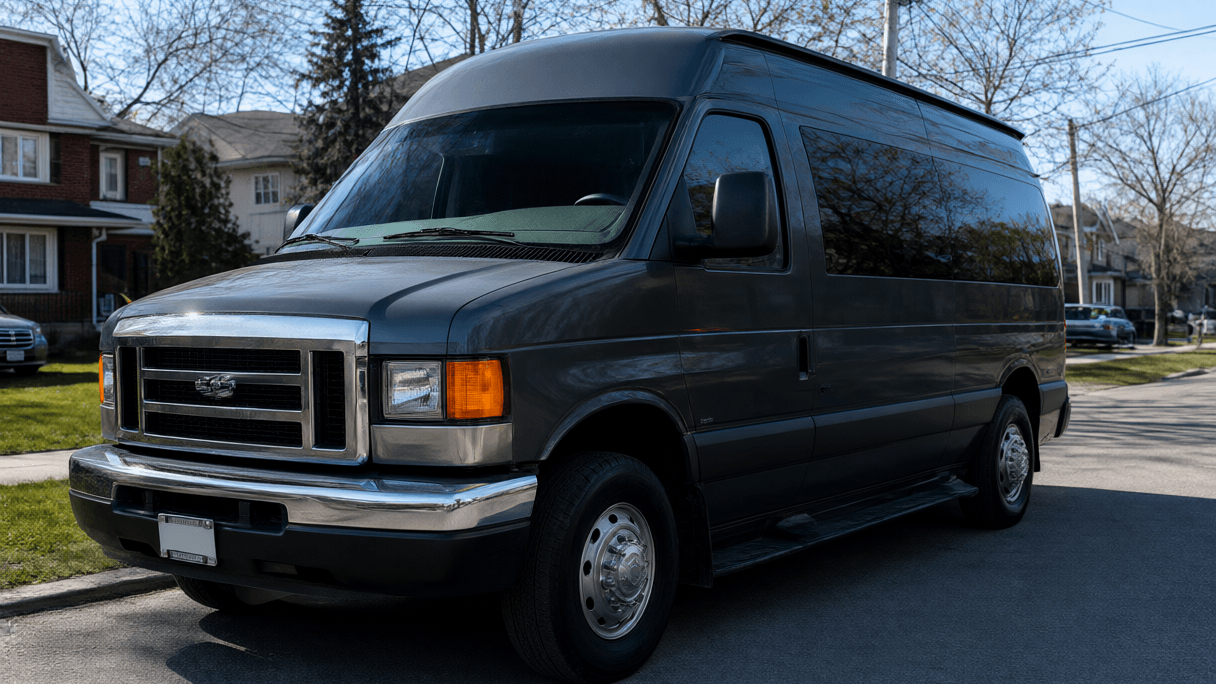
AI-generated image · Bay Street Wire
Opinion: While Mayor Olivia Chow's new initiative uses sports as a 'front door' to the city, the real victory will be whether Toronto can dismantle the bureaucratic barriers that make that door so hard to open.
The City of Toronto was named as one of ten recipients of the 2026 Global Cities Fund for Migrants and Refugees on September 20, 2026, as first reported by the City of Toronto. This initiative, led by the Mayors Migration Council, awarded Mayor Olivia Chow $400,000 (USD) to launch "Play Mobile for Newcomers." The program is designed to bring pop-up sports and recreation activities directly into Toronto neighborhoods via mobile recreation vans.
On the surface, the initiative is a victory for visibility. According to a City of Toronto news release, the program aims to reach those facing the steepest barriers to participation, specifically naming refugee claimants, undocumented residents, newcomer girls, and LGBTQ+ newcomers. By leveraging recreation as a hook, the city intends to connect these residents to a broader network of supports, including Newcomer Services Kiosks, the Toronto Public Library, employment and training supports, and various community-based organizations.
Mayor Chow described the strategy as making sport a "front door to the city," arguing that playing with neighbors is an ideal way to foster belonging. The scale of the ambition is clear: the city expects to engage over 20,000 participants annually over a two-year term, including roughly 6,000 newcomer children, youth, and family members each year. Furthermore, the program promises tangible economic opportunities, creating 50 paid leadership roles for newcomer youth as community ambassadors and providing recreation-based training for 250 newcomer youth annually.
However, as a columnist covering the newcomer experience, I find myself questioning whether a mobile van is a sufficient solution for systemic failure. The City of Toronto news release frames the program as a way to "connect" residents to existing services. But we must ask: why are these services so inaccessible that the city must drive a van into a neighborhood to facilitate the connection?
When the city explicitly targets "undocumented residents" and "refugee claimants," it is acknowledging a population that often lives in the shadows, not because they lack interest in community recreation, but because the bureaucratic machinery of the city can be hostile, opaque, or intimidating. A pop-up sports event is a wonderful gesture of welcome, but it does not inherently dismantle the systemic barriers—the complex paperwork, the language gaps, and the fear of surveillance—that often keep these same individuals from walking through the "front door" of a permanent city office or library.
To be clear, the data-driven goals of Play Mobile are commendable. Creating 50 paid positions for youth and training 250 others provides a necessary bridge to employment. The commitment to let newcomers shape and adapt the program is also a critical step toward genuine inclusion. But if the "front door" leads back to the same bureaucratic bottlenecks that necessitated a mobile unit in the first place, the impact will be temporary.
$400,000 (USD) is a flashy headline, but it is a modest sum when weighed against the lifelong challenges faced by refugees and undocumented residents in one of North America's largest cities. The success of Play Mobile should not be measured by how many people play a game of soccer in a park, but by how many of those participants are successfully transitioned into stable employment, secure housing, and fully integrated social services.
Toronto prides itself on being a global leader in innovation and a "livable city," as noted in the city's own promotional materials. If we are to live up to that reputation, we must ensure that Play Mobile is not merely a mobile bandage on a fractured system. The recreation vans should serve as a diagnostic tool—identifying exactly where the gaps in service are and why they exist—rather than just a way to bypass them for a few hours a week.
Mayor Chow is right that belonging starts with community. But true belonging requires more than a game of catch; it requires a city infrastructure that is accessible by design, not just by exception. Until the systemic barriers are dismantled, the mobile van remains a symbol of a city that knows its services are out of reach, but is choosing to bring the service to the person rather than fixing the path to the service.