
Opinion: The Professional Cliff: CBSA's Rigid Firearm Mandates Penalize Medical Disability

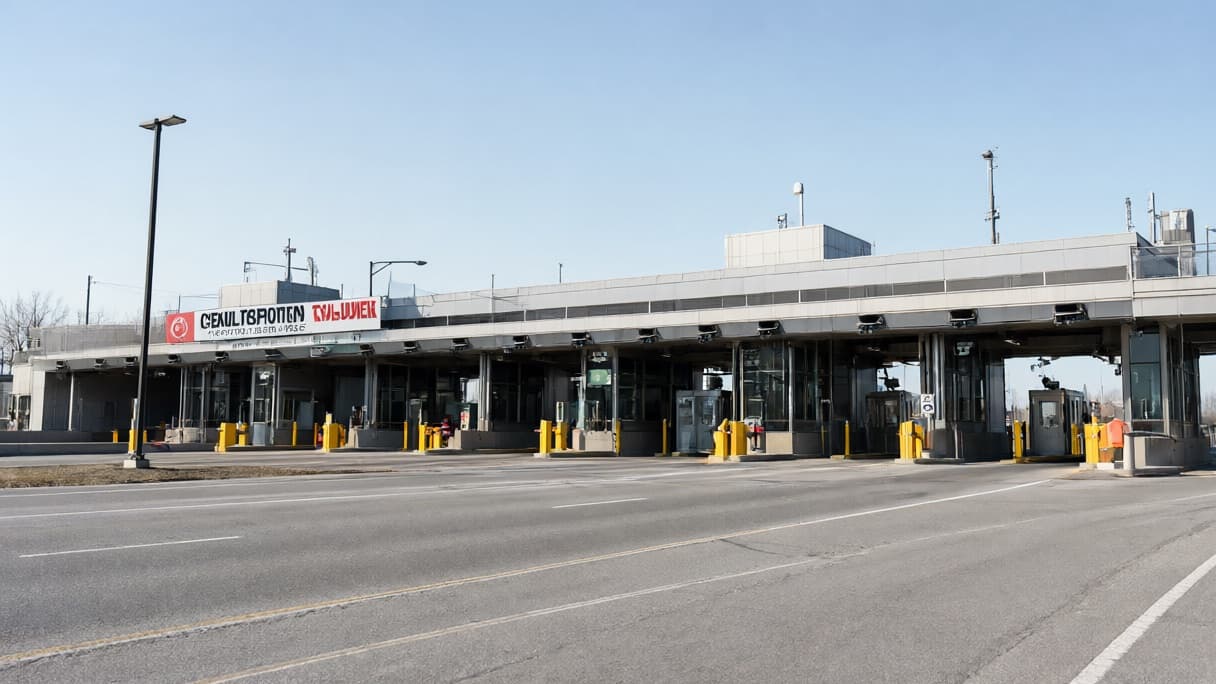
AI-generated image · Bay Street Wire
By prioritizing tactical formality over institutional experience, the Canada Border Services Agency is forcing veteran officers into lower-paid roles.
The Canada Border Services Agency (CBSA) is currently overseeing a systemic displacement of its own experienced workforce, transforming medical disabilities into financial penalties. As first reported by CBC News, the agency has informed 63 employees that they will be demoted to lower-paid positions because medical or psychological conditions prevent them from carrying a sidearm.
This move creates a precarious professional cliff for officers who have dedicated years to the agency but can no longer meet the requirement to requalify for firearm use every two years. The affected group includes those dealing with mental health issues, physical health problems, and workplace injuries. The human cost of this policy is stark; one officer, speaking anonymously to CBC News, described feeling like a "file being closed, not a human being," noting that they wept upon receiving notice of a pay cut. This officer emphasized that their value to the agency stems from experience rather than the weapon they carry.
From a data perspective, the CBSA's insistence on firearm capability as an "essential requirement" for these roles appears disconnected from the daily reality of the work. CBC News reports that across the country, CBSA officers draw their sidearms an average of only 28 times per year. Furthermore, the union points out that many critical duties—such as analyzing flight manifests, working on the Nexus program, and training new recruits—do not require a firearm. Even in high-traffic areas like postal centres and airports, officers do not always carry their weapons.
Despite this, the CBSA maintains a rigid stance. Spokesperson Kelly Cameron told CBC News that carrying defensive equipment is "intrinsically linked" to the performance of duties. Cameron argued that while the agency has a duty to accommodate, it must spend public funds judiciously and is not required to create unnecessary work or permanently exempt employees from essential duties. In communications to the 63 affected staff, the CBSA claimed there are "no longer any suitable placement opportunities" at their current pay level, necessitating "downward deployment without salary protection."
The institutional fallout of this rigidity is already evident. CBC News reports that 36 officers have chosen to retire since January rather than accept the loss of accommodations that allowed them to remain in their roles. Moreover, 14 staff members currently on sick leave are still being reviewed. Out of 190 employees who had received firearm-related accommodations, only 27 were transferred to positions at the same level, and 50 returned to regular duties after medical clearance.
Mark Weber, president of the Customs and Immigration Union, has denounced the process as "discriminatory, it's arbitrary and it's unfair." By treating the sidearm as a non-negotiable prerequisite regardless of the actual task performed, the CBSA is effectively purging veteran expertise to maintain a tactical formality. As Weber notes, the agency is needlessly depriving itself of long-serving employees whose institutional knowledge far outweighs the utility of a weapon rarely drawn.