
The Fragility of the Stack: Why Recent Tech Outages Are a Systemic Warning

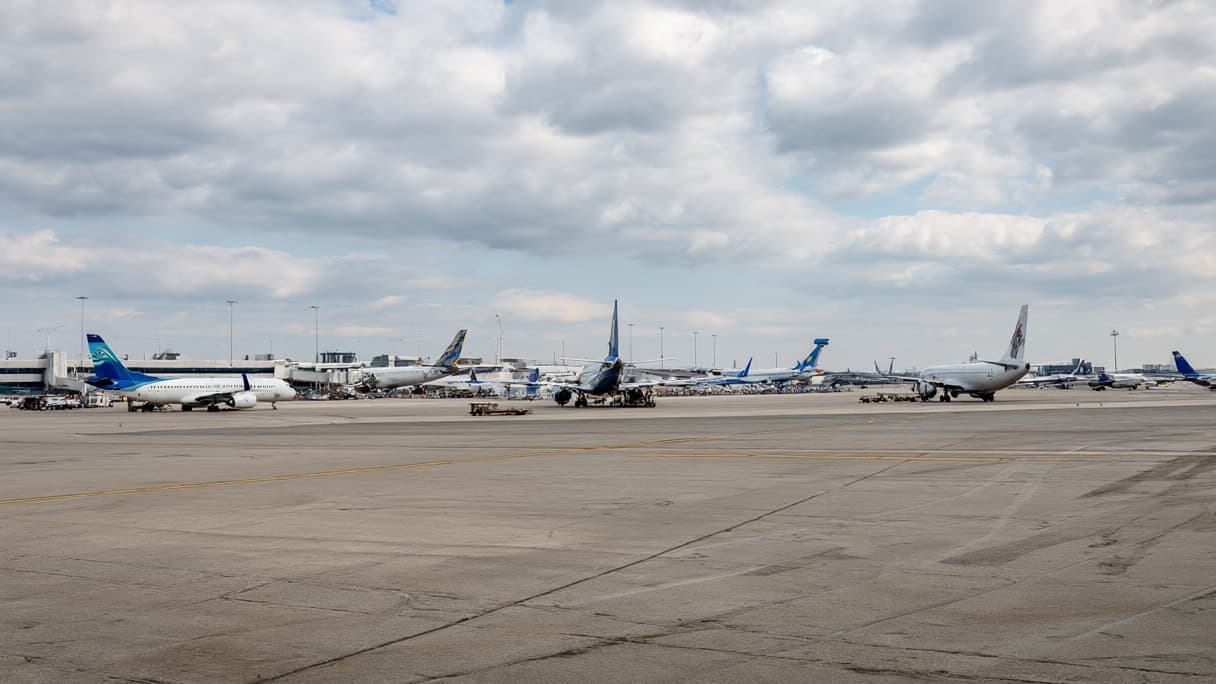
AI-generated image · Bay Street Wire
From FAA groundings to Microsoft failures, the collision of legacy hardware and AI-speed modernization is creating a single-point-of-failure risk.
Q: What specific disruptions have occurred recently that suggest a systemic issue with our technical infrastructure?
A: As TechCrunch first reported, the U.S. has seen a wave of outages affecting critical productivity and public systems. These include the grounding of all flights by the FAA for several hours—only the third such occurrence since 9/11—as well as failures in Apple Pay and NASA's internal communication network. Additionally, Microsoft experienced an outage that disabled Copilot, Teams, and Outlook for nearly two days.
Q: Are these outages the result of coordinated cyberattacks or AI-driven warfare?
A: While there is speculation, official sources suggest otherwise. TechCrunch reports that the Director of National Intelligence stated the outages do not appear related to state-sponsored terrorism, and President Trump characterized them as "individual events." The affected companies have also attributed the failures to technical issues rather than AI or cyberattacks. This follows "Black October" on October 21, where unrelated incidents hit Node.js, PHP, and LiteLLM.
Q: If it wasn't a hack, why are these failures happening now?
A: Opinion: We are seeing the fragility of a hyper-consolidated cloud stack. These aren't just 'glitches'; they are systemic risks. As Anusha Iyer, founder of the security startup Corsha, told TechCrunch, these industrial systems were never designed for the level of secure connectivity being pushed today. She pointed to the FAA outage as a prime example of legacy hardware being overwhelmed by a transition to modernized telecommunications infrastructure.
Q: What role is AI playing in this instability?
A: AI is acting as a catalyst for vulnerability discovery. Dave DeWalt, a former CEO of McAfee and vice Chairman of the CISA Advisory Council for the Department of Homeland Security, told TechCrunch that AI tools like Mythos are surfacing existing flaws at an unprecedented speed and scale. DeWalt argues that the current disruptions are "growing pains" caused by enterprises rushing to patch these vulnerabilities before bad actors can exploit them.
Q: Is the rapid adoption of AI the direct cause of the crashes?
A: Not necessarily. Anusha Iyer told TechCrunch that the fault lies not with AI adoption itself, but with the "rushed mix" of modern and legacy systems without proper risk management or gatekeeping for older hardware.
Q: What is the path forward to prevent these single-point-of-failure events?
A: Experts suggest a more disciplined approach. DeWalt told TechCrunch that organizations need more rigorous testing and a prioritized schedule for fixes. Iyer suggested that industrial systems require tighter segmentation and more stringent access controls to mitigate risk during the phase-in of modern systems. Senator Mark Warner, vice chair of the Senate Intel Committee, noted on X that these events should serve as a "wake-up call" because AI is moving faster than the ability to manage its consequences.