
The Fight for a Private Ballot: Blind Voter Challenges Elections Ontario

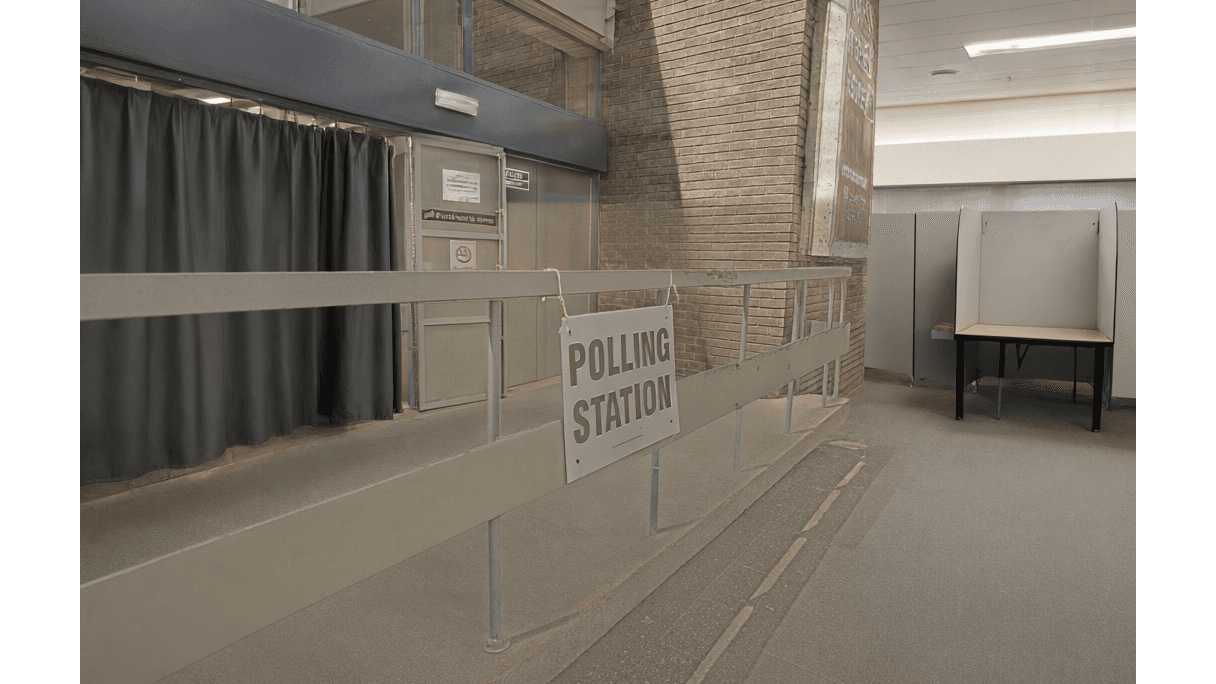
AI-generated image · Bay Street Wire
Accessibility advocate David Lepofsky argues at a human rights tribunal that the right to vote independently is a matter of fundamental dignity.
For David Lepofsky, the act of voting is not merely a legal process, but a matter of personal privacy and human dignity. A retired lawyer and chair of the Accessibility for Ontarians with Disabilities Act Alliance, Lepofsky is currently appearing before the Ontario Human Rights Tribunal to argue that Elections Ontario has failed to protect the independence of blind voters.
As reported by CBC Toronto and Global News Toronto, Lepofsky's human rights complaint was filed over seven years ago, stemming from an incident that occurred during the 2018 Ontario election. Lepofsky testified that while attempting to use an assistive voting terminal designed for voters with disabilities, a poll worker inadvertently saw his selection.
Lepofsky contends that this incident, along with ongoing barriers to accessible voting, constitutes a continuing human rights violation. He argues that Elections Ontario violated the Ontario Human Rights Code by failing to provide equal treatment regarding services and facilities without discrimination based on his total blindness.
During cross-examination on Monday, Lepofsky stated that he is seeking a tribunal-appointed official monitor to oversee the development of an action plan. His goal is to ensure that he, and any other blind voter in a similar position, can consistently and reliably mark, verify, and cast a ballot in private.
The hearing is scheduled to run for several days this week, with final submissions from Lepofsky and Elections Ontario expected later this month.