
Choice Over Charity: The Human Impact of Durham's Grocery-Style Food Model

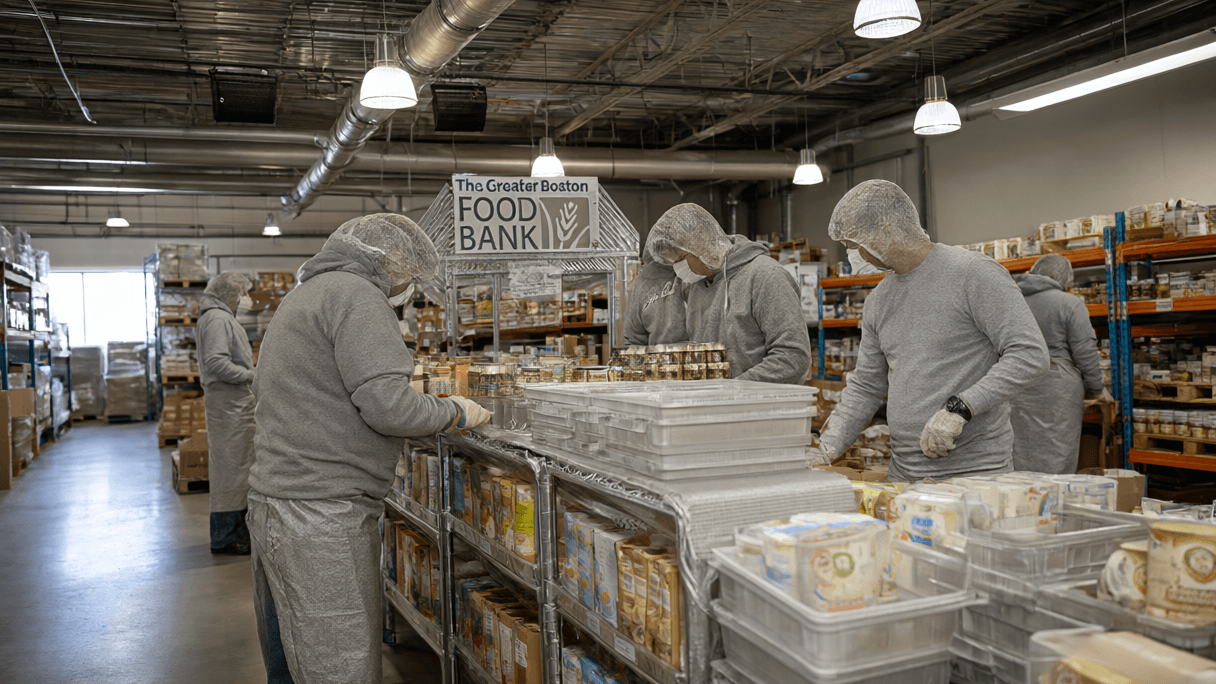
AI-generated image · Bay Street Wire
As demand surges in the Durham Region, Feed the Need Durham is pivoting to a model that prioritizes client agency over traditional distribution.
For many families facing food insecurity, the experience of seeking help is often defined by a lack of control. As CBC Toronto first reported, a shift in approach in the Durham Region is attempting to rewrite that narrative by moving away from pre-packed hampers that may not align with dietary needs or cultural preferences.
The organization Feed the Need Durham is implementing a grocery-style model for its food bank operations. This transition comes at a critical time; the organization notes that visits to food banks in the Durham Region have surged since the pandemic, creating a pressing need for scalable and efficient solutions to combat hunger.
While the operational goal is to make better use of available food resources, the human-centric goal is the restoration of choice. By moving toward a grocery-style environment, Feed the Need Durham aims to give people more agency in what they bring home to their families.
In a traditional charity model, the dignity of the recipient is often sidelined by the logistics of distribution. By allowing individuals to select their own items, the grocery-style model transforms the act of receiving aid into an act of shopping. This subtle shift in mechanism can significantly alter the psychological experience of food insecurity, moving the needle from a feeling of dependence toward one of autonomy.
As the Durham Region continues to navigate the aftermath of the pandemic's economic pressures, the move by Feed the Need Durham suggests that addressing hunger is not just about the volume of calories provided, but about the manner in which those calories are accessed.