
The Export of Affordability Nightmares: How Toronto's Investment Giants are Pricing Out Madrid

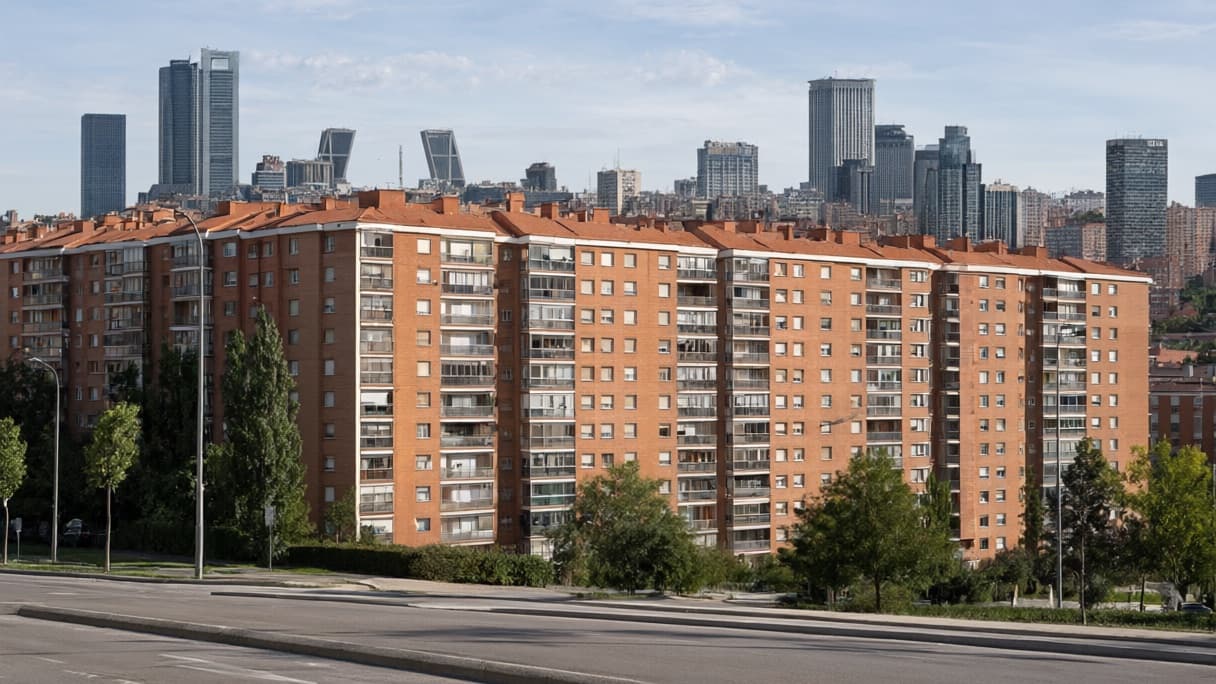
AI-generated image · Bay Street Wire
Opinion: While we struggle with our own housing crisis, Toronto-based firms like Brookfield are treating Spanish homes as commodities to be flipped, proving that the quest for 'safe returns' has a devastating human cost.
For years, we have lived through a relentless affordability crisis in our own backyards, watching as the dream of stable housing slips away for the average worker. But as it turns out, the appetite for predatory real estate isn't just a local phenomenon. As CBC News first reported, Toronto's investment giants are taking their playbook global, and the results are nothing short of catastrophic.
Toronto-based Brookfield Corporation has become a primary target of rage in Spain, where housing affordability has become the central flashpoint of the Nov. 29 election. In Madrid, residents of formerly public housing are sounding the alarm, alleging that Brookfield is systematically pricing them out of their homes to maximize profits. It is a grim mirror of the tactics we see at home: treating a basic human necessity—shelter—as a commodity to be flipped for the highest bidder.
According to CBC News, Brookfield owns 900 units in a residential complex where long-term tenant Rafael Cuadrado has lived for two decades. Cuadrado and his neighbors describe a calculated strategy: Brookfield allegedly plans to let rent-controlled leases expire and then sell the apartments at market prices that the current residents simply cannot afford. Cuadrado, who pays 930 euros a month for his three-bedroom apartment, notes that the open market price would likely jump to 1,500 euros. He asks a question that should haunt every Canadian investor: Why must people leave their homes just because a foreign investment company wants to extract a profit?
This isn't just about a few expensive apartments; it is about the erasure of community. CBC News reports that some tenants have already received notices from Brookfield's management company stating their tenancies will not be extended. One letter seen by CBC News explicitly told a tenant their lease would not be renewed and they must surrender their keys. While Brookfield told CBC News that it complies with all applicable Spanish tenancy legislation and statutory protections, the legality of these actions does not erase the cruelty of them.
When we look at the broader Spanish landscape, the desperation is palpable. CBC News reports that millions have protested the housing crisis, including clashes with police in Barcelona. The anger reached a breaking point following the eviction of Maricarmen Abascal, an 87-year-old woman who was unable to pay a steep rent increase. Abascal was evicted on a stretcher in late September and died in a hospital a few weeks later. This tragedy was so profound it prompted Prime Minister Pedro Sanchez to call the Nov. 29 election.
Alicia Del Rio of the Sindicato de Inquilinas de Madrid (Madrid Tenants Union) describes these institutional investors as "vulture funds." She argues that cash-strapped Spanish governments essentially invited foreign investors to treat residential properties as assets to be flipped, with little regard for the human beings living inside them.
It is a bitter irony that the funds fueling this instability are often tied to the retirement security of Canadians. Beyond Brookfield, CBC News reports that Canada Pension Plan Investments (CPP) manages a Spanish housing portfolio valued at roughly 900 million euros (approximately $1.4 billion Cdn). While CPP claims its focus on student housing—owning approximately 13,000 beds across Spain and Portugal—helps expand supply without removing conventional residential homes, the sheer volume of Canadian capital flowing into Spanish real estate is staggering. Similarly, the Health Care of the Ontario Pension Plan (HOOPP) holds Spanish property assets worth about 700 million euros ($1.1 billion Cdn), which includes 27 residential properties.
These firms are designed to seek "safe returns" for their beneficiaries. But we must ask: at what cost is this safety purchased? When the "safe return" for a pension fund in Toronto is predicated on the eviction of an elderly woman in Madrid or the displacement of a family that has lived in their home for twenty years, that return is no longer safe—it is predatory.
We often complain about the "vulture funds" and corporate landlords operating in our own cities, but we rarely look at the role our own financial institutions play in exporting that same misery. By treating housing as a high-yield investment vehicle rather than a social good, Toronto's investment giants are fueling a global crisis. They are proving that the logic of the market, when left unchecked, views a home not as a place to live, but as a line item to be optimized.
If we are horrified by the prospect of being priced out of our own neighborhoods, we should be equally horrified that our own capital is being used to do the exact same thing to people thousands of miles away. The red maple leaves hanging upside down in the windows of Madrid are more than just a protest; they are a warning. The affordability nightmare is global, and Toronto is helping to write the script.