
The Delay Gap: Raw TTC Logs Reveal a Systemic Shift in Subway Failures

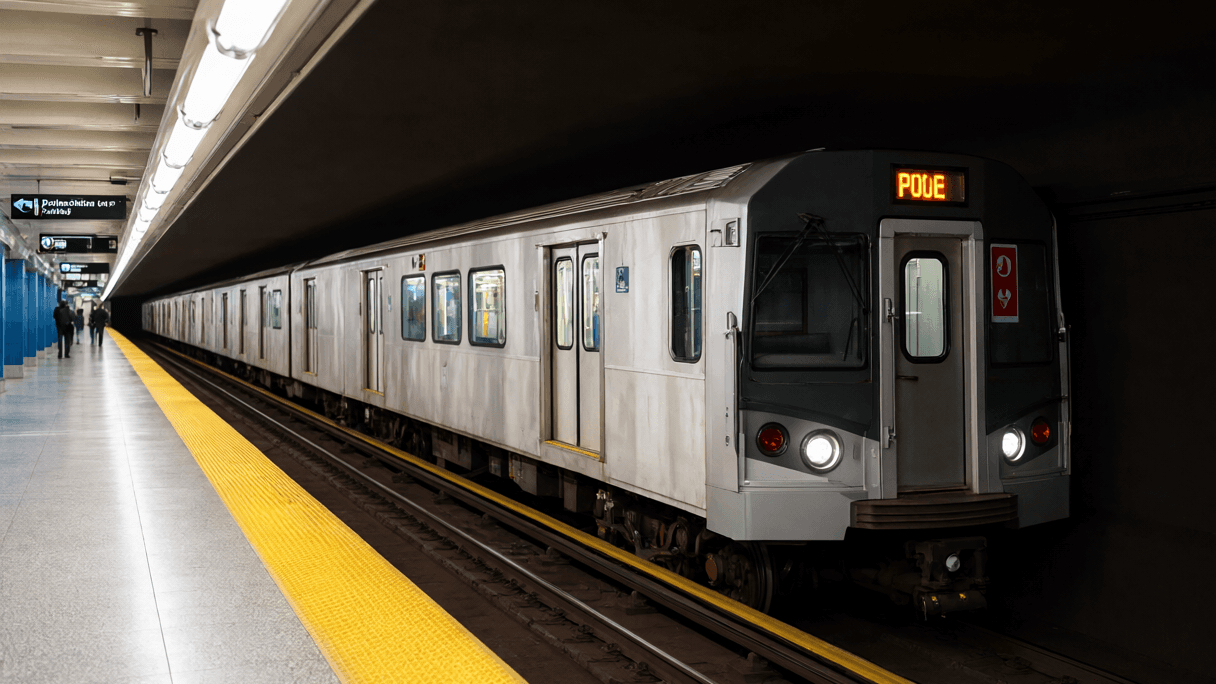
AI-generated image · Bay Street Wire
Analysis of agency data shows a 53% surge in total delay minutes since 2019, driven by a rise in 'disorderly patron' incidents and a critical omission of slow-zone data from official logs.
### The Data Trail
As first reported by CBC Toronto, an analysis of raw subway delay logs from the Toronto Transit Commission (TTC) spanning 2018 to 2025 reveals a system under increasing pressure. The total cumulative delay time has surged by 53% since 2019, rising from 770 hours and 41 minutes to 1,179 hours and 28 minutes in 2025.
In 2025 alone, the TTC recorded 25,737 individual delay incidents. While more than half resulted in no actual service delay, others ranged from two-minute interruptions to a single 15-hour event.
### The Shift in Failure Points
The nature of these failures has evolved. Prior to the pandemic, weather-related issues were the primary drivers of delays in 2018 and 2019, while "disorderly patron" incidents ranked only sixth.
Over the last three years, however, "disorderly patron" has become the leading cause of delays. In 2025, these incidents accounted for more than 127 hours of cumulative delay. TTC spokesperson Stuart Green clarified that these include non-criminal events involving unruly passengers and are distinct from less frequent assaults.
### Systemic Gaps
Transit advocates, including Andrew Pulsifer of TTCRiders, argue that official logs omit the impact of "slow zones"—track sections where trains operate as slowly as 15 km/hr for maintenance. As of last week, 17 slow zones were active, mostly on Line 1. Because these are persistent conditions rather than isolated incidents, they are not recorded in the same delay logs.
### Institutional Response
Transit researcher Jonathan English noted that the spike in human-related disruptions is a trend seen across various sectors following the pandemic. Pulsifer linked the rise to broader societal issues, including mental health crises and homelessness, calling for increased staffing and crisis workers.
Stuart Green stated the TTC is using this data to drive operational improvements and deploy staff to high-need areas, adding that the increase in logged incidents may be partly due to the SafeTTC app encouraging more reports.