
The 'Convenience' Tax: Air Canada's New Phone Fee is a Failure of Digital Design

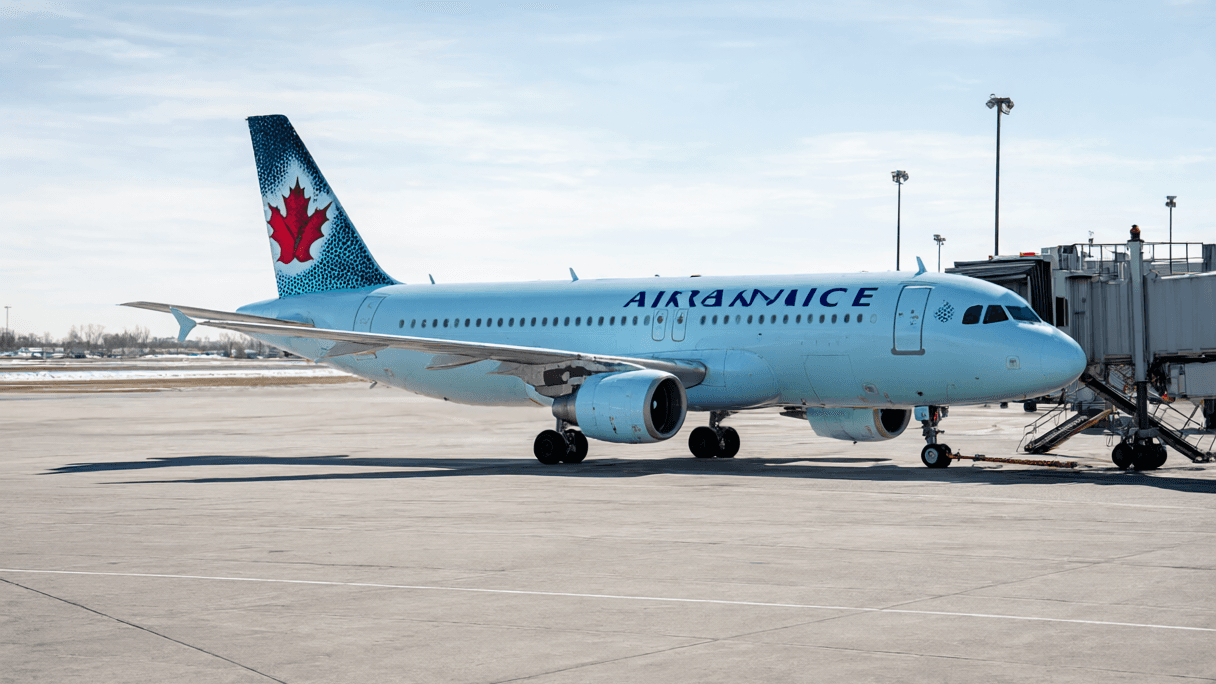
AI-generated image · Bay Street Wire
Air Canada claims its $30 per-passenger phone booking fee aligns it with industry peers, but the move is really a penalty for those the airline's digital interface has left behind.
OPINION: Let's be clear about what is happening here. Air Canada is not offering a 'convenience' service; it is taxing the inability of its digital platforms to serve every customer. When a company fails to provide a user-friendly, accessible digital experience that satisfies its entire customer base, the solution isn't to charge the marginalized users for the 'privilege' of speaking to a human being. It is a blatant penalty for a failure in interface design.
According to reporting from CBC and CityNews Toronto, Air Canada implemented a new policy on Oct. 15 that charges customers a $30 fee per passenger for booking flights by phone. For a family of four, this 'convenience' adds a sudden $120 surcharge to their travel costs. The airline's logic, as reported by both outlets, is to steer passengers toward its app and website to reduce call center costs or offset the expenses of hiring and training staff.
Air Canada spokesperson Sean Davidson, cited by CityNews Toronto, argues that utilizing digital tools for standard travel needs reduces wait times and allows contact center agents to focus on situations requiring personalized support. While this sounds efficient on a corporate spreadsheet, it ignores the reality of the user experience. If the digital tools were truly intuitive and accessible to all, the 'need' for phone bookings would naturally diminish without the need for a financial stick.
Instead, we see the continuation of a decade-long trend of "unbundling," as noted by CBC and CityNews Toronto. We have already seen the standard flight experience stripped bare, with passengers now paying extra for priority boarding, onboard snacks, pre-selected seats, and checked bags. Now, the very act of purchasing the ticket is being unbundled.
Andrew D'Amours, co-founder of the flight deal site Flytrippers, told both CBC and CityNews Toronto that this change could disproportionately impact seniors who may not enjoy or feel comfortable using the internet or a mobile app. D'Amours noted that while it is expensive to employ people to answer phones, the resulting fee feels unfair to those who rely on traditional booking methods. D'Amours compared the situation to buying shredded cheese versus a block—the shredded version is more expensive because of the convenience. But for a senior who cannot navigate a glitchy app, a phone call isn't a 'luxury' or a 'convenience'; it is the only functional way to access the service.
To its credit, Air Canada stated, per CBC and CityNews Toronto, that the fee does not apply to those requiring specialized support, including accessibility needs, or to services that cannot be completed online. Additionally, the fee is waived for trips affected by cancellations, delays, or other travel disruptions.
However, the broader industry context reveals that this isn't an inevitable cost of doing business. While Air Canada aligns itself with WestJet, United Airlines, and various low-cost carriers, CBC and CityNews Toronto report that competitors like Southwest Airlines and Delta Air Lines still allow customers to book via telephone without such a surcharge.
If Delta and Southwest can maintain a human element in their booking process without taxing their customers $30 a head, then Air Canada's move isn't about industry standards—it's about a refusal to invest in a customer experience that doesn't require a payment gate to avoid the phone lines.