
The Bombardier Pivot: A Calculated Retreat, Not a Gesture of Grace

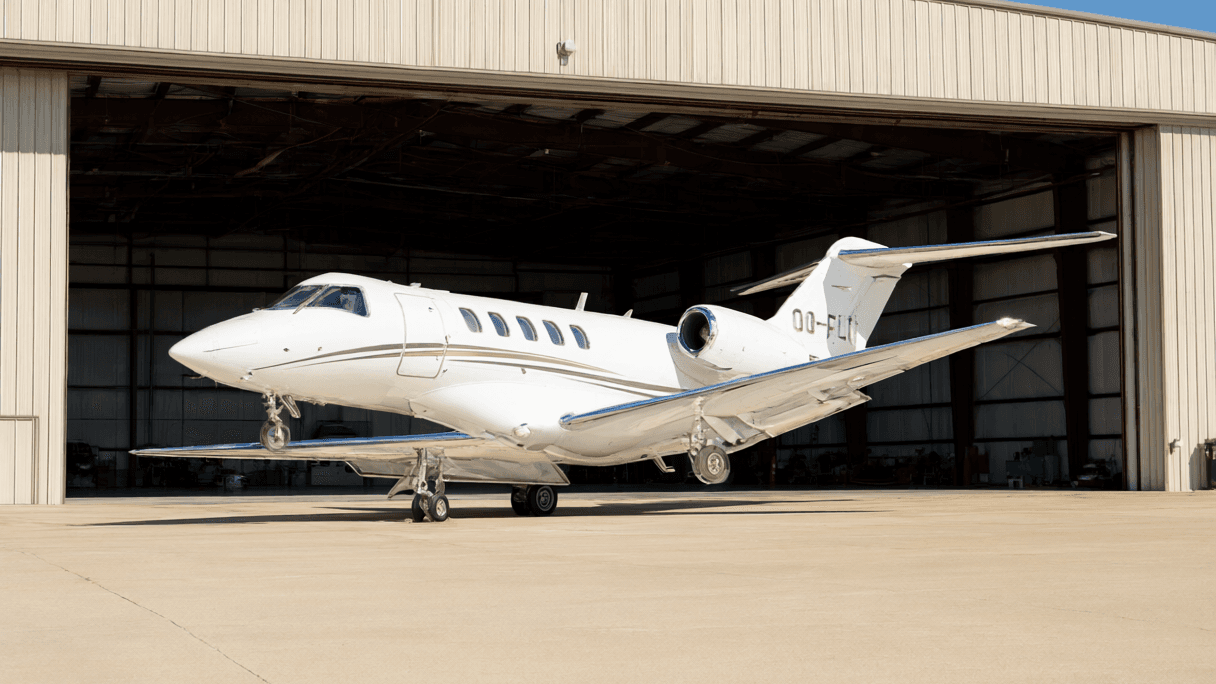
AI-generated image · Bay Street Wire
President Trump's reversal on the Bombardier ban reveals a stark reality: the U.S. aerospace supply chain is too integrated to survive a trade war of its own making.
OPINION: Let's dispense with the notion that President Donald Trump's decision to walk back his threat against Bombardier Inc. was an act of benevolence. As CityNews Toronto first reported, to frame this as a simple change of heart is to ignore the cold, hard mechanics of the aerospace industry. This wasn't a gesture of goodwill; it was a calculated admission that the United States cannot afford to dismantle its own industrial nervous system.
For weeks, the administration played a high-stakes game of chicken. On September 7, Trump took to social media, declaring, “NO MORE SELLING BOMBARDIER IN THE UNITED STATES!” and demanding the company move its operations to the U.S. to stop treating the country like a “piggybank.” It was a classic populist gambit, but one that ignored the reality of how planes are actually built.
As reported by CityNews Toronto, the aerospace sector is deeply integrated. Analysts noted that most Bombardier aircraft contain at least 40 percent U.S. content. Even more striking is the Global 7500 luxury jet, where more than half of the value is derived from American parts. According to National Bank analyst Cameron Doerksen, a ban would have been “massively disruptive” to American fleet operators and would have “undoubtedly” triggered job and revenue losses for U.S. parts producers.
Bombardier didn't just plead for mercy; they presented a balance sheet the administration couldn't ignore. The company revealed it pays roughly 2,800 American suppliers across 47 states more than US$2.5 billion annually. With 3,500 American workers employed across plants in California, Texas, and Kansas—including 1,500 in Wichita alone—the “Canadian company” Trump targeted is, in many ways, an American employer.
Then there is the political math. CityNews Toronto reports that Kansas has become a battleground for the upcoming midterm elections, with Republican Sen. Roger Marshall locked in a tight race against Democrat Adam Hamilton. Trump admitted that a phone call from Marshall helped sway his decision. When you combine the threat of losing a Senate seat with the fact that Bombardier recently invested US$50 million into a Wichita skills development center, the “pivot” looks less like leadership and more like damage control.
While James McGarragle of RBC Dominion Securities noted that the threats had no “tangible impact” on luxury jet demand over the last six weeks, the systemic risk was real. Data from the U.S. Aerospace Industries Association shows a US$109-billion global trade surplus in aerospace and defence. To jeopardize that surplus by attacking a manufacturer whose supply chain is rooted in American soil would have been industrial sabotage.
Trump's claim that he is “helping a certain air company get themselves straightened away” is a convenient narrative. In reality, the administration realized that the cost of the ban—in terms of jobs, supplier revenue, and political capital in the Midwest—far outweighed the optics of the trade war. The fist was shaken not because the president grew kind, but because he realized he was punching his own workforce.