
The Blueprint Void: Shapiro’s Apologies Can't Mask a Lack of Direction

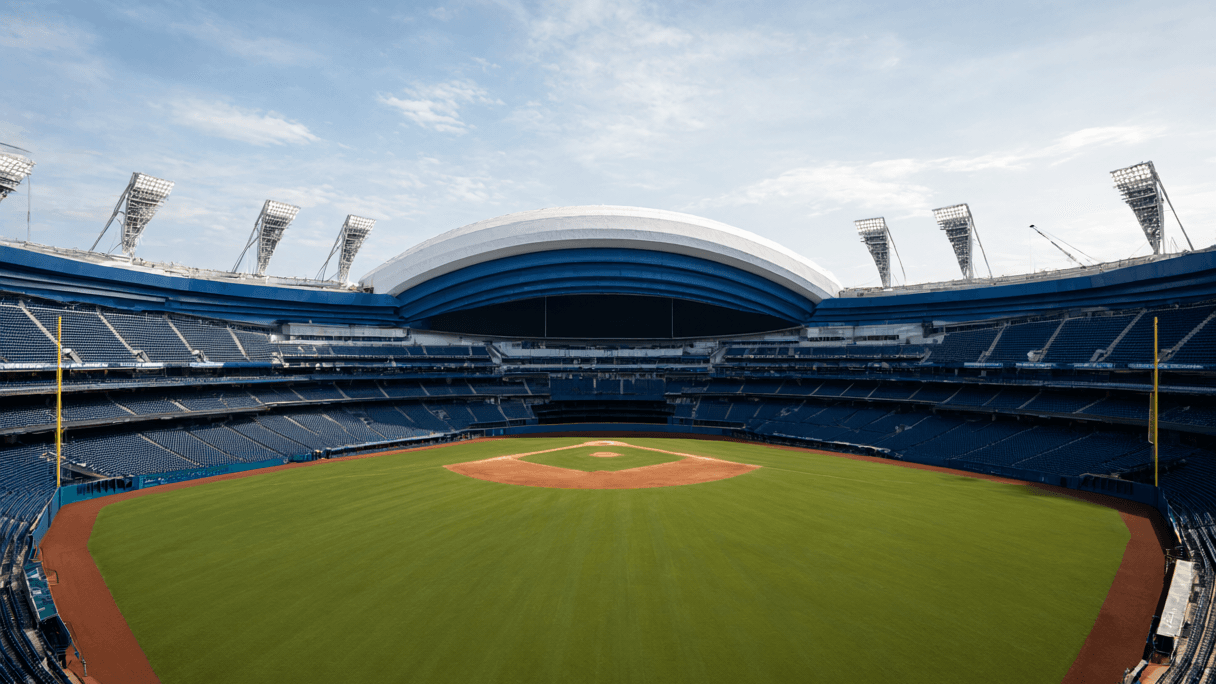
AI-generated image · Bay Street Wire
President Mark Shapiro and GM Ross Atkins offer mea culpas for a disappointing 2026, but the front office remains vague on concrete roster upgrades and coaching stability.
In the wake of a 79-83 season, Toronto Blue Jays president and CEO Mark Shapiro and GM Ross Atkins have stepped to the podium to offer the expected apologies. But for those of us tracking the mechanics of this front office, the 'mea culpas' feel less like a turning point and more like a smokescreen for a leadership group currently flying blind.
As Sportsnet first reported, the year-end press conference was light on actual news. While Shapiro expressed appreciation for a fanbase that weathered the season's volatility, the actual roadmap for 2026 remains frustratingly opaque. The most glaring example is the coaching staff. Atkins claimed the team feels good about the current group surrounding manager John Schneider, yet he immediately hedged, stating the team must be "thorough" and will "work through that process." It is a classic front-office pivot: projecting confidence while leaving the door wide open for changes that haven't been decided yet.
This lack of a concrete blueprint extends to the roster. When asked if Ernie Clement would be the starting second baseman next year, Atkins refused to provide a straight answer, noting that Clement "has to earn every bit of that." While Atkins praised Clement's ability to be an impactful player, he explicitly stated that the position is not simply "pencilled in."
This ambiguity is a signal to the market. As Sportsnet reports, this openness could mean more playing time for trade acquisition Josh Smith or a pursuit of free agents like Luis Arraez—a previous target—or Brandon Lowe, who provides the power the club desperately lacks. The problem is that the Blue Jays are currently in a holding pattern. With the trade and free-agent markets closed until after the World Series, the front office is spending its energy on "understanding how we improve the pieces that are here," according to Atkins.
Nowhere is this struggle for a solution more evident than with Vladimir Guerrero Jr. Atkins described the 27-year-old's slump as a "complex problem," citing a loss of rhythm and timing with his toe-tap trigger that eroded his confidence. The front office is now attempting to reconstruct Guerrero's approach through "meeting points" and stakeholder input, all while the player navigates the pressure of a 14-year, $500-million contract. Shapiro defended Guerrero's recent clumsy public comments regarding his salary, describing the player's feelings as "authentic and genuine," but the internal struggle to get their superstar back to MVP form is the most critical missing piece of the 2026 puzzle.
Adding to the chaos is the looming Dec. 1 expiration of the collective bargaining agreement. With owners pushing for a salary cap, the threat of a lockout looms. Shapiro's strategy is to "prepare under the current system" and adjust as needed, but in a season where the team is searching for an identity, "adjusting along the way" is not a strategy—it is a reaction.
Opinion: The Blue Jays are operating in a state of perpetual preparation. Between the vague status of the coaching staff, the unsettled second base position, and the hope that a few meetings can fix Guerrero, the front office is offering concessions instead of a plan. Until Atkins and Shapiro can articulate a specific attack plan rather than a "process," the fans are being asked to buy into a vision that doesn't actually exist.