
The Atari VCS Post-Mortem: A Decade of Hype and a Dead-End Store

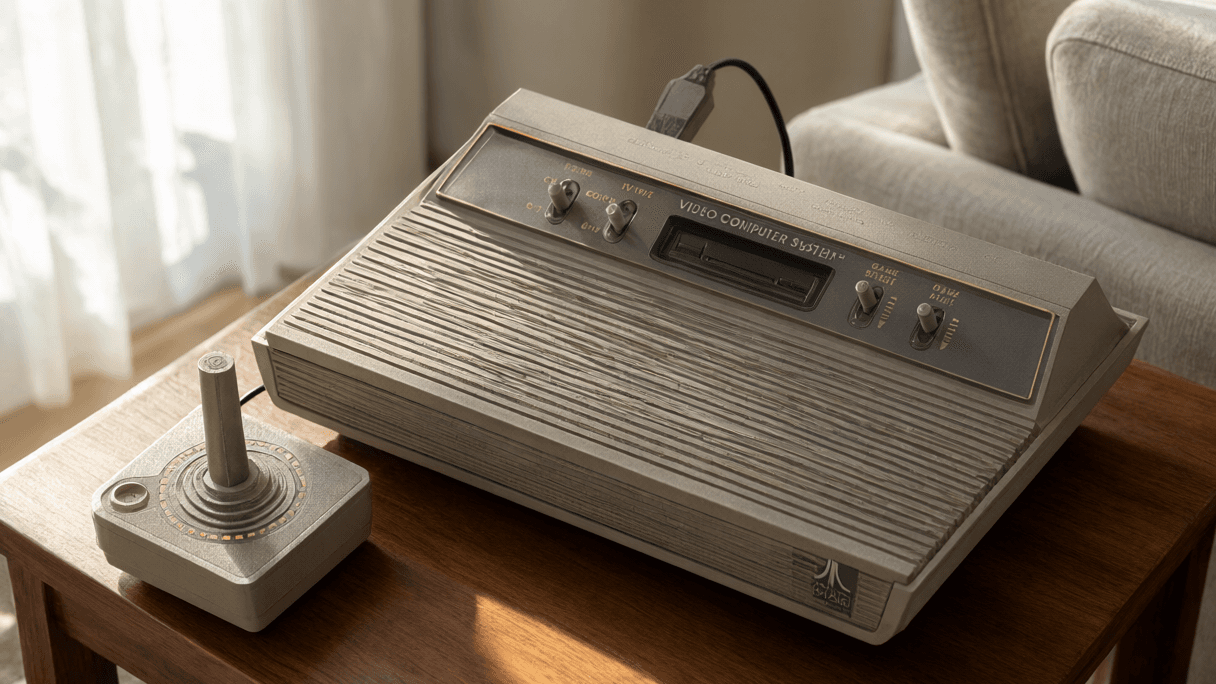
AI-generated image · Bay Street Wire
The announcement that the Atari VCS software store will shutter in early 2027 is the final nail in the coffin for a machine that traded retro soul for a Linux-based identity crisis.
In the world of consumer hardware, there is a specific kind of heartbreak reserved for the 'comeback' device. The Atari VCS was the poster child for this delusion. Now, as first reported by The Verge, the saga is reaching its inevitable conclusion: the Atari VCS software store is shutting down on February 1, 2027.
**Opinion: The Failure of the Vision** From my perspective, the Atari VCS wasn't just a failure of engineering; it was a failure of philosophy. Atari attempted to package nostalgia into a Linux-based, AMD-powered mini PC that looked like a 2600 but functioned like a budget laptop. By replacing the soul of the machine with a dependency on a digital storefront and cloud streaming, Atari forgot why people loved the original hardware.
**A Decade of Dysfunction** As detailed by The Verge, the road to this shutdown was paved with a "decade-long saga" of delays and name changes, including efforts to assure crowdfunding backers that the project wasn't doomed. While the hardware came pre-loaded with classic Atari games, its primary value rested on a store providing access to streaming platforms like Nvidia GeForce Now and Xbox Cloud Gaming.
**The Sunset Plan** Users have until January 31, 2027, to add software to their libraries before the store vanishes. To soften the blow, Atari plans to release an OS update to migrate functionality to local machines, removing dependencies on Atari's infrastructure. The company also intends to release an "Atari Home Brew app" to allow the community and third-party developers to continue sharing games.
The Atari VCS tried to exist in two worlds—the nostalgic past and the streaming future—and ended up belonging to neither.