
Sigma Debuts FP2 with Pro-Grade Sensor and Modular Upgrades

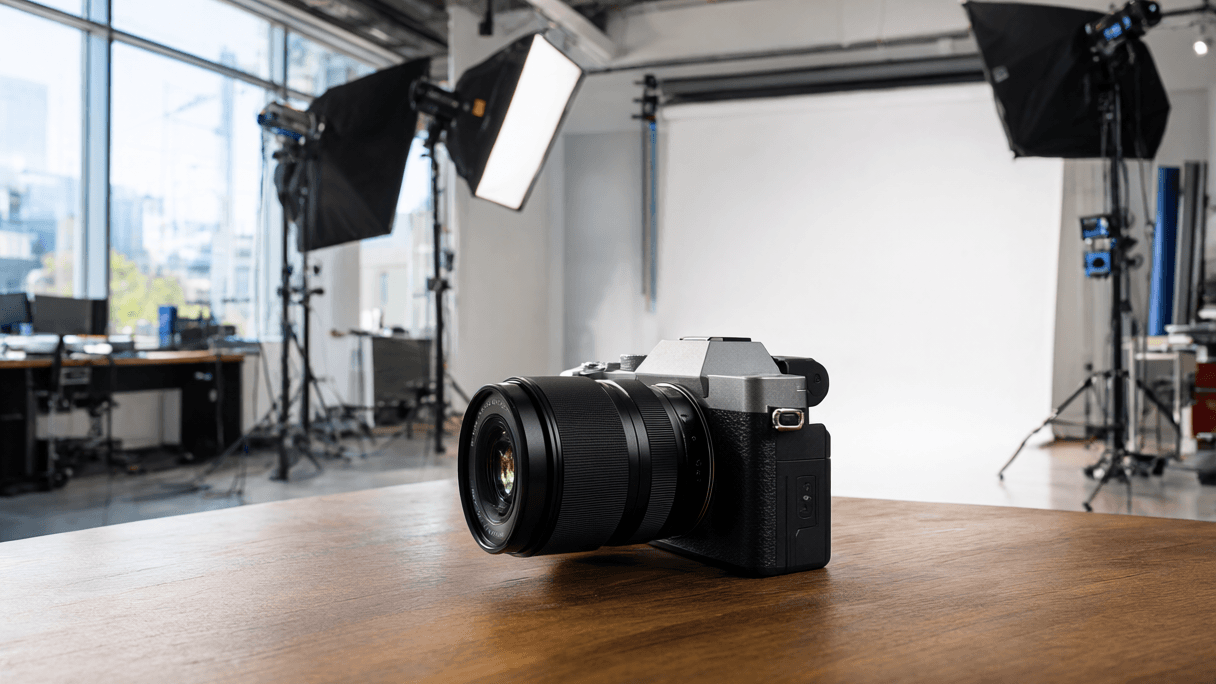
AI-generated image · Bay Street Wire
The successor to the original fp maintains a compact footprint while adding faster autofocus, improved cooling, and expanded connectivity.
Sigma has announced the FP2, a compact full-frame mirrorless camera that builds upon the foundation of its predecessor. As The Verge first reported, the new model is positioned as the "world’s smallest" full-frame shooter, though it is approximately 6 grams heavier than the original fp.
The most significant hardware update is a new 24.5-megapixel CMOS sensor featuring a partially stacked, back-side illuminated design. While this is a slight resolution decrease from the original's 24.6-megapixel sensor, The Verge reports the new architecture enables faster data reading. This results in reduced rolling shutter for stills, 20fps shooting speeds, and enhanced autofocus that now recognizes birds, animals, and people.
For video professionals, the FP2 supports 6K recording at 60fps and 4K at 120fps (via sensor crop). Sigma has also introduced a 3.2-inch articulated LCD screen that tilts to assist with shooting angles and improves airflow for cooling during video capture. Connectivity has been bolstered with a full-size HDMI port and two USB-C ports, including a 10Gbps USB 3.2 Gen 2 port for high-speed transfers or Apple ProRes RAW recording to an external SSD.
Other notable improvements include a battery that provides 30 percent longer life—roughly 130 minutes of video or 370 photos—and 70GB of internal storage to supplement the single SD card slot.
The Sigma FP2 launches November 11th with a starting price of $2,199 for the body. Users can opt for $2,749 bundles that include either an I-series 50mm F2 DG lens or the EVF-21 viewfinder, which, according to The Verge, features an eye sensor and a 5.76 million dot OLED panel.