
The AI Power Grab: New York is Right to Stop the Data Center Drain

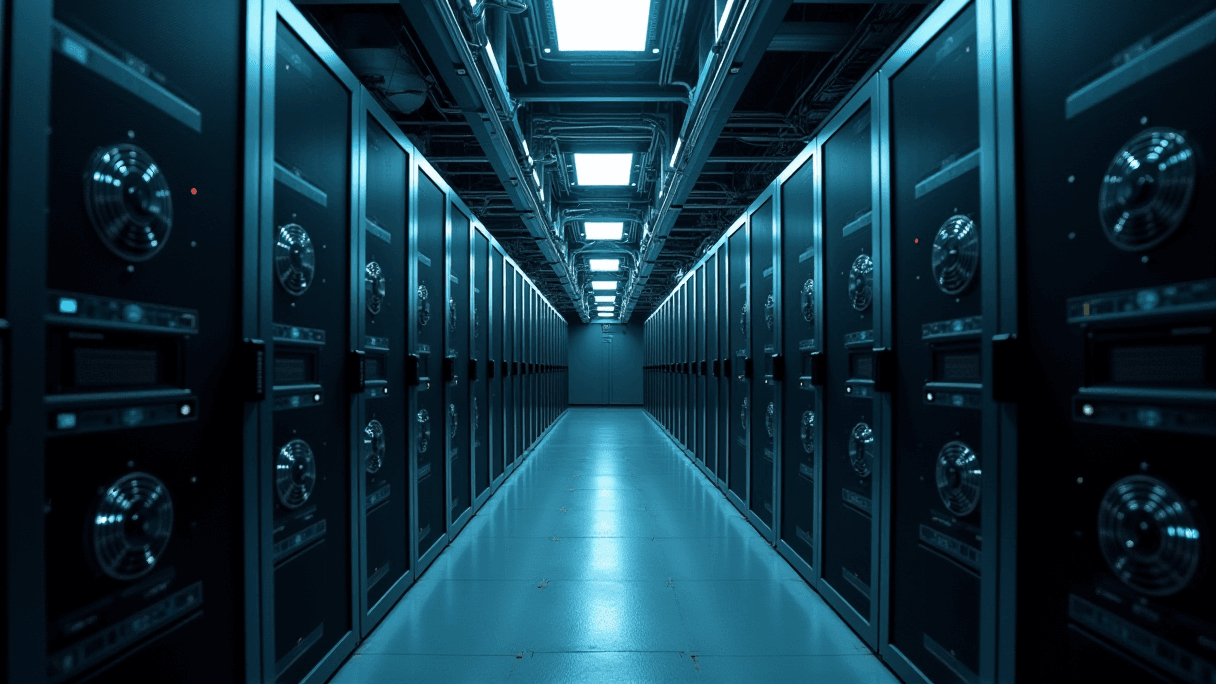
AI-generated image · Bay Street Wire
Opinion: As tech companies chase AI fantasies, New York's bold moratorium exposes the parasitic relationship between hyperscale data centers and the average consumer's utility bill.
For years, the tech giants have sold us a vision of an AI-powered utopia, but the bill for this fantasy is finally coming due—and it isn't being paid by the companies building the servers. It is being passed directly to the consumer.
In a landmark move that should serve as a wake-up call to the rest of the country, New York Governor Kathy Hochul has signed an executive order making New York the first state to halt the construction of new large-scale data centers. As reported by TechCrunch and The Verge, this moratorium bars the state from approving new permits for projects 50 megawatts or larger.
Let's be clear: this is a necessary intervention. For too long, these massive infrastructure projects have been treated as inevitable milestones of progress. But as Governor Hochul rightly noted during a Brooklyn press conference, "Progress shouldn’t arrive with a higher utility bill, deleted water supply, or noise pollution."
**The Parasitic Cost of 'Innovation'**
We are witnessing a gold rush of AI investment that is fundamentally incompatible with the stability of our local resources. According to reporting from TechCrunch, BloombergNEF indicates that nearly a quarter of new data centers will exceed 500 megawatts through 2030, driven by the insatiable computing demands of AI. These aren't just buildings; they are electrical sponges.
The human cost is already appearing in the polls. TechCrunch reports that two-thirds of respondents in a recent poll expressed concern that data centers are driving up electricity prices. This isn't a fringe anxiety; it is a rational response to a system where hyperscale facilities strain the electrical grid, water supplies, and farmland. The public sentiment has soured to the point where one survey found people would actually prefer an Amazon warehouse in their backyard over a data center.
**A State Fighting Back**
New York is finally calling out the grift. Governor Hochul’s executive order isn't just a pause; it's a demand for accountability. The Governor has signaled that she wants to prevent hyperscale data centers from receiving tax benefits, according to TechCrunch. She also plans to push the legislature to roll back sales tax exemptions for these large facilities when they return to session next year, according to The Verge.
Furthermore, Hochul is considering requiring these centers to pay into a fund to support the state's electrical grid. This is the only logical path forward. If these companies want to fuel their AI ambitions, they should pay for the infrastructure they break, rather than relying on the taxpayers to subsidize their expansion.
The legislative battle in Albany is even more aggressive. The Verge reports that state lawmakers passed a bill that would lower the threshold for a construction pause to projects larger than 20 megawatts—a significantly stricter limit than the Governor's 50-megawatt order. While Hochul's order protects smaller facilities used by essential institutions like hospitals, the legislative push shows a deep-seated recognition that the current scale of AI growth is unsustainable.
**The National Struggle**
New York's boldness stands in stark contrast to the federal appetite for deregulation. TechCrunch reports that the Federal Energy Regulatory Commission, led by a Trump appointee, recently instructed grid operators to create "special fast lanes" to accelerate data center interconnections. This is exactly the kind of corporate favoritism that puts the average consumer at risk. While the Trump administration supports this rapid development, New York is choosing to prioritize its citizens over the speed of a server farm.
This struggle is not unique to New York, but New York is the first to actually execute a moratorium. TechCrunch notes that Vermont Senator Bernie Sanders has proposed a nationwide pause, and over 230 organizations have called for a similar federal halt. Maine attempted a similar path, but Governor Janet Mills vetoed a bill that would have paused construction until November 1, 2027.
**The AI Delusion**
Why are we sacrificing our grids for this? The data suggests the public isn't even buying what the tech companies are selling. A Pew Research report cited by TechCrunch reveals a staggering lack of confidence in AI: only 10% of Americans are more excited than concerned about AI in their daily lives. Only 23% believe the technology will positively impact their jobs, and less than a quarter think it will boost the economy.
Despite this, tech companies and their cohorts continue to lobby for more power, more land, and more tax breaks. They want the "fast lanes" promised by federal regulators, but they don't want to pay the true cost of the energy they consume.
As New York State Senator Kristen Gonzalez told The Verge, the goal is to ensure that "development and innovation do not come at the expense of all of us."
For too long, the "expense" has been hidden in the fine print of our monthly utility bills and the depletion of our natural resources. New York is finally putting a stop to the parasitic drain. The rest of the country needs to follow suit before the AI fantasy leaves the average consumer in the dark.