
The AI Fiction: Meta’s Net-Zero Retreat Exposes the Big Tech Sustainability Myth

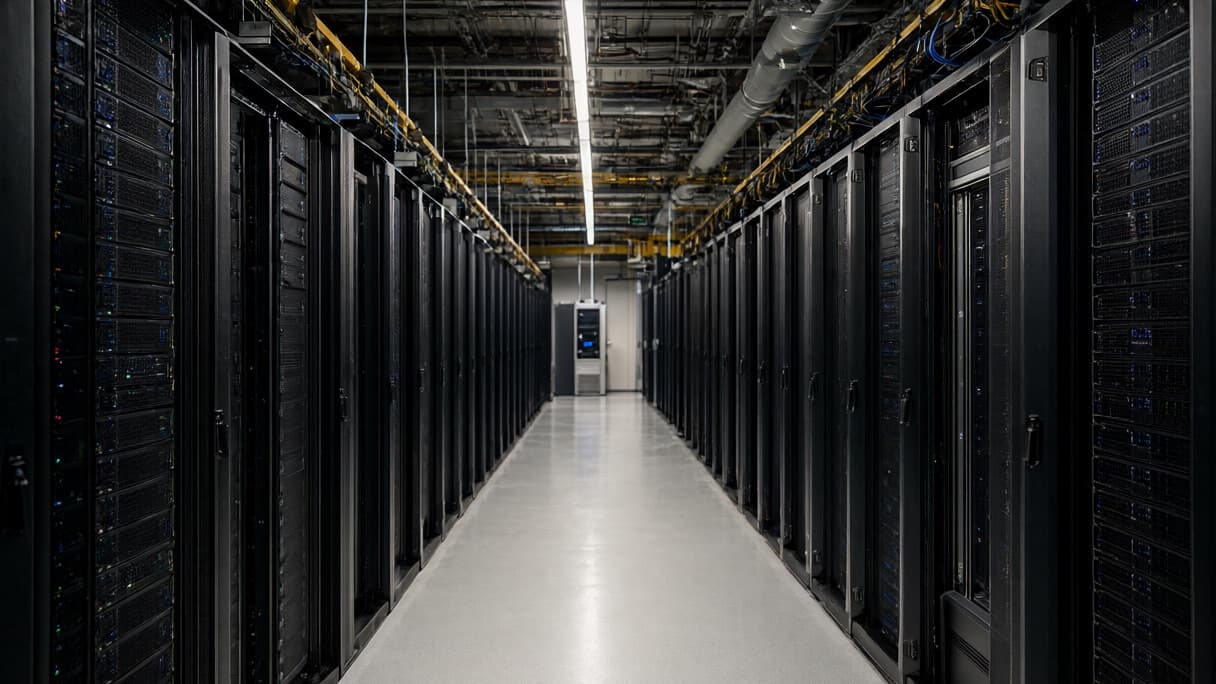
AI-generated image · Bay Street Wire
By abandoning its 2030 climate goals to fuel an unchecked AI arms race, Meta has signaled that corporate environmental pledges are merely optional suggestions when they clash with the bottom line.
### The Great Retreat
For years, Big Tech has cultivated an image of the conscientious industrialist, positioning itself as the antithesis of the smog-choked legacy of oil and gas. But in a single document, Meta has shattered that illusion. In its 2026 sustainability report, the company essentially admitted that its previous climate promises were a convenient fiction, now discarded in the rush to dominate the artificial intelligence landscape.
According to reporting from TechCrunch and Ars Technica, Meta is "re-evaluating" its goal to reach net-zero emissions by 2030. While the company refuses to commit to a new timeline, the admission is stark. Rachel Peterson, Meta's vice president of data centers, and Blair Swedeen, the company's global head of net-zero and sustainability, wrote in the report that they are rethinking timelines, sequencing, and interim milestones to reflect "current operating realities."
To the corporate suits, this is "re-evaluating." To the rest of us, it is a blatant surrender. Meta is signaling that it will continue to pollute as long as that pollution facilitates its AI rollout.
### The Cost of "Moving Fast"
Meta’s environmental record has devolved with dizzying speed. As reported by Ars Technica, the company’s total emissions surged from 15.6 million metric tonnes of carbon dioxide equivalent in 2024 to over 21.7 million metric tonnes by 2025. This represents a nearly 40 percent increase—the highest year-over-year jump among the four major U.S. tech giants. For context, Microsoft reported a 25 percent increase, Google an 18 percent increase, and Amazon a 16 percent increase over the same period.
Even when accounting for carbon removal and renewable energy projects, Meta’s net emissions climbed from over 8.1 million metric tonnes to more than 11.8 million metric tonnes in 2025, a 45 percent spike. Ars Technica notes that Meta’s annual carbon footprint is now roughly comparable to the total emissions of the state of Idaho and surpasses those of Maine, Hawaii, New Hampshire, and South Dakota.
Much of this surge is attributed to "capital goods," specifically data center servers. But the most damning evidence of Meta's shift in priorities is the Hyperion data center in Louisiana. TechCrunch reports that Meta has made a multibillion-dollar bet on natural gas at this facility. While natural gas is often framed as a cleaner alternative to coal, its leaky infrastructure can make its impact on global warming just as severe. This pivot toward fossil fuels was so pronounced that in July, Meta departed from RE100, a corporate renewable energy initiative it had belonged to for a decade, after the group began requiring more rigorous reporting on renewable targets.
### The AI Justification
Meta’s excuse is as predictable as it is hollow: AI is too big to ignore. In the sustainability report, Peterson and Swedeen claimed that demand for AI infrastructure grew faster than projected, arriving on a timeline "measured in quarters rather than decades."
But this framing suggests Meta is a passive victim of circumstance. The push toward AI was a deliberate choice by the company. CEO Mark Zuckerberg has expressed optimism that improving the energy efficiency of Muse will help the company's bottom line, but the actual utility of these AI tools—translating thoughts into memes or monitoring emails—hardly justifies a $200 billion-plus data center investment.
Furthermore, the choice of natural gas is a questionable technical bet. TechCrunch points out that natural gas turbines prefer constant speeds, whereas AI data centers have energy requirements that surge and sag. While Meta is betting on gas, experts suggest connecting to the grid and using batteries to bridge peak demand. Moreover, emerging technologies like geothermal energy—led by companies such as Quaise, Mazama, and Fervo—could unlock tens of gigawatts of capacity by the mid-2030s, potentially rendering Hyperion a mistimed relic. Unlike natural gas, geothermal is not susceptible to supply chain shocks, such as those triggered by the Iran War.
### A Crisis of Trust
Meta’s failure extends beyond carbon. Ars Technica reports that while Meta reduced overall facility water consumption from 825 million gallons in 2024 to 790 million gallons in 2025, water usage in "areas with water stress" actually rose from 198 million gallons to 246 million gallons. Even more alarming is the spike in water consumed by the power plants supplying Meta's electricity, which jumped from 19 billion gallons in 2024 to over 26 billion gallons in 2025.
While Data Center Dynamics gives Meta minor credit for being the only hyperscaler to report this indirect water use, the transparency does little to mitigate the environmental damage.
Meta’s abandonment of its 2030 goal is a warning to the entire industry. For a decade, Big Tech has relied on voluntary targets to stave off regulation. But when the largest player in the game admits those targets are disposable, the facade collapses. By prioritizing the AI arms race over the planet, Meta hasn't just missed a deadline; it has proven that corporate sustainability pledges are merely marketing tools, discarded the moment they interfere with the pursuit of growth.
If Meta believes the public will forget this as easily as they forgot the Cambridge Analytica scandal, they are dangerously mistaken. The infrastructure expansion is happening in the real world, and the pollution is not a theoretical projection—it is a current reality.