
The AI Bird Feeder Paradox: High-Tech Specs vs. Low-Tech Pests

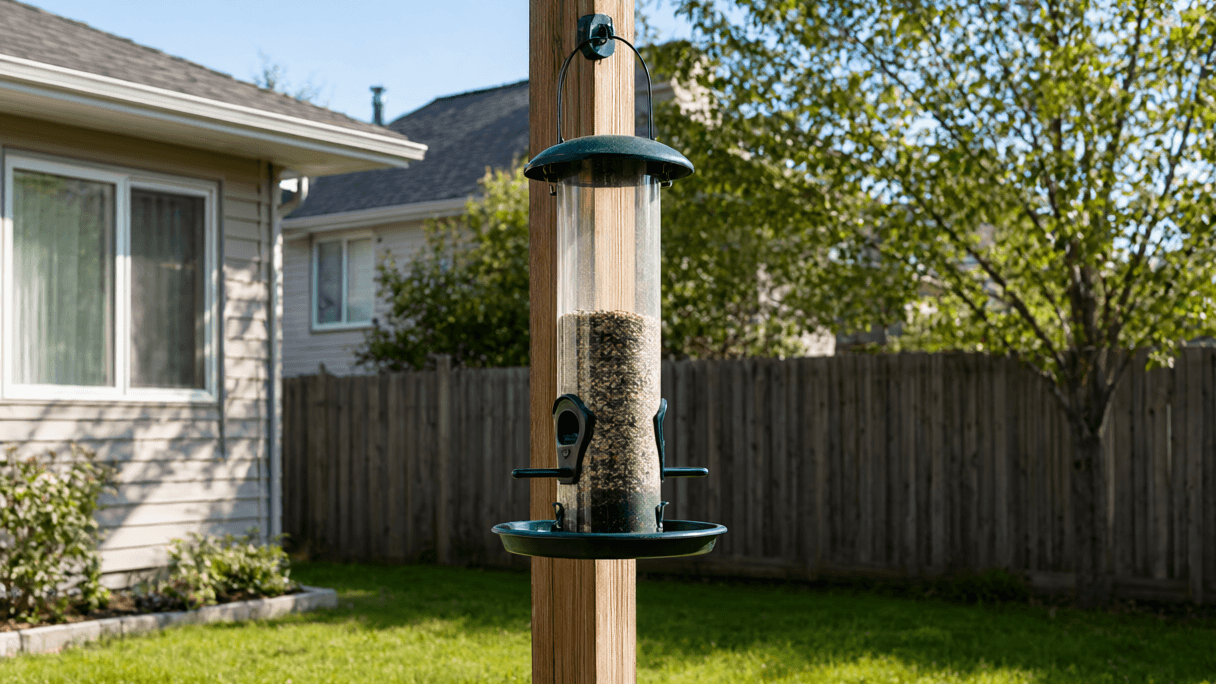
AI-generated image · Bay Street Wire
When a $269 smart feeder promises 4K HDR and AI identification, does the tech actually solve the problems of nature, or just document the chaos?
I've always been a sucker for the promise of 'smart' hardware, but the latest trend in nature gadgets raises a critical question: are we paying a premium for actual utility, or just a very expensive notification bell?
Take the Kiwibit Bird Feeder 2 Pro. On paper, it's a tech enthusiast's dream. As The Verge first reported, the device—which carries a price tag of $269 (though listed as $350 in some contexts)—boasts 4K HDR video recordings and a solar panel. It's marketed as a 'Bird Feeder 2 Pro 4K AI Camera' with lifetime AI included. The value proposition is clear: you aren't just feeding birds; you're curated a digital gallery of your backyard fauna.
In practice, the AI utility is impressive during the honeymoon phase. The Verge reports that the system can send real-time alerts identifying specific species, such as the Eurasian Blue Tit or the Great Tit. The accompanying Kiwibit app allows users to dive deeper into the data, providing information on nesting habits, migration, and dietary preferences. For a few weeks, it transforms a simple hobby into a high-definition educational experience.
However, the 'smart' element hits a wall when it encounters the reality of nature. The Verge describes a scenario where a Common Wood Pigeon—described as a 'battleship-gray blob'—completely obscured the live camera feed. Despite the hardware's sophisticated specs, the device's built-in 'Nuisance Animal Alarm,' designed to deter squirrels and other pests, proved ineffective. The audible siren failed to move the pigeon, which continued to gorge on seeds for 15 minutes until the user physically intervened.
This is where the utility gap becomes apparent. While the AI can identify a bird with precision, it cannot physically manage the environment. The arrival of the pigeon reportedly paved the way for mice to feast on fallen seeds, leading the reviewer to eventually dismantle the unit and store it in a closet.
**Opinion:** From my perspective, this is the classic 'smart' gadget trap. We are paying for 4K resolution and AI identification, but the core problem—keeping pests away from expensive seeds—remains a manual task. When the technology is so easily defeated by a single large bird, the $269 investment starts to look less like a tool and more like a glorified camera that tells you exactly which pest is ruining your morning.
As The Verge suggests, for those tempted by the trend, starting with a simple, inexpensive feeder without AI might be the more pragmatic move. After all, no amount of AI can help you return a used feeder just because the local pigeons decided to move in.