
The Aftermath of Judgment: Juror Seeks Private Meeting With Convicted Murderer

AI-generated image · Bay Street Wire
A Windsor juror's unusual attempt to contact Glen Mayer after a first-degree murder conviction has sparked a legal battle over the integrity of the verdict.
In the wake of a high-stakes murder trial, the psychological weight of a verdict can linger long after the courtroom doors close. This is evident in a recent, highly unusual development in Windsor, Ont., where a juror attempted to establish a private connection with the man they helped send to prison, as CBC News first reported.
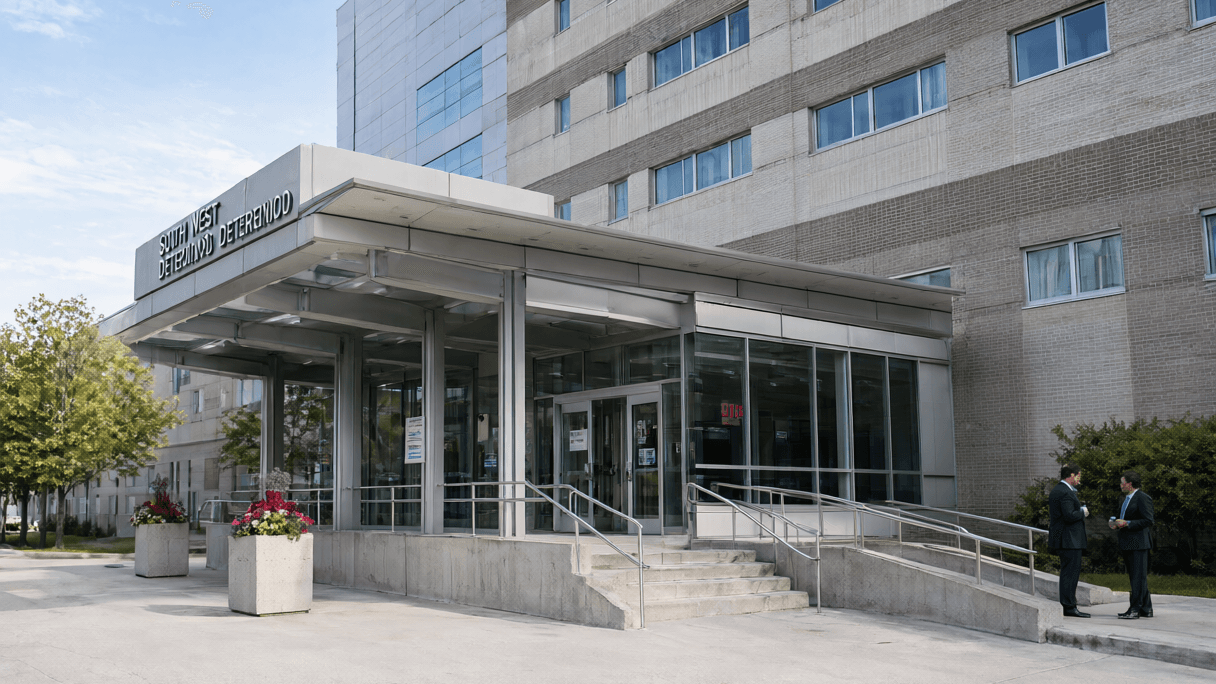
According to CBC News, a juror sent a typed letter to Glen Mayer while he was being held at the South West Detention Centre. The letter, sent roughly two months after the trial concluded in June, requested a meeting to discuss Mayer's "current circumstances." The author of the letter further noted they had "some observations" they wished to share and expressed an interest in receiving Mayer's feedback.
Glen Mayer was found guilty by a Superior Court of Justice jury of the first-degree murder of Tony Bechara. The trial established that on Jan. 20, 2024, Mayer learned that Bechara was involved in an affair with his wife. Mayer then drove from his home in LaSalle to Belle River, where he shot Bechara multiple times in his own home. Mayer eventually surrendered himself to the LaSalle police station. The conviction carries an automatic life sentence with no possibility of parole for 25 years.
While the juror's outreach suggests a personal desire for closure or dialogue, it has created a legal firestorm. Julianna Greenspan, the lawyer representing Mayer, described the letter as creating a "very concerning dynamic." Greenspan argued that the request for a meeting suggests the juror may possess "extraneous information" not presented in open court, which could have potentially "tainted the verdict."
Under the Criminal Code of Canada, jurors are prohibited from disclosing information regarding proceedings that was not shared in open court. Greenspan emphasized that the privacy of jury deliberations "cannot be pierced."
In an attempt to understand the juror's intentions, Greenspan contacted the individual, who responded via email. According to CBC News, the juror claimed they possessed no information regarding the case other than what they were entrusted with as a jury member, yet they maintained their request for a private meeting with Mayer, specifically stating they were not seeking an audience with lawyers present.
Greenspan characterized this second communication as being written in a "litigator" tone that was more "guarded and calculated" than the first letter, arguing that this shift increased the need for a formal inquiry.
However, Justice J. Ross Macfarlane dismissed the defense's motion for a judicial inquiry. The judge stated that the evidence provided by the defense did not offer a "credible basis" to suggest the jury had been exposed to outside evidence. Justice Macfarlane also questioned why the defense waited until August to bring the letter to the court's attention, given that the trial ended on June 26.
Despite the dismissal of the motion, Greenspan indicated she intends to file an appeal of Mayer's guilty verdict within the next 30 days.