
The Accountability Gap: Bradford’s Water Utility Pitch

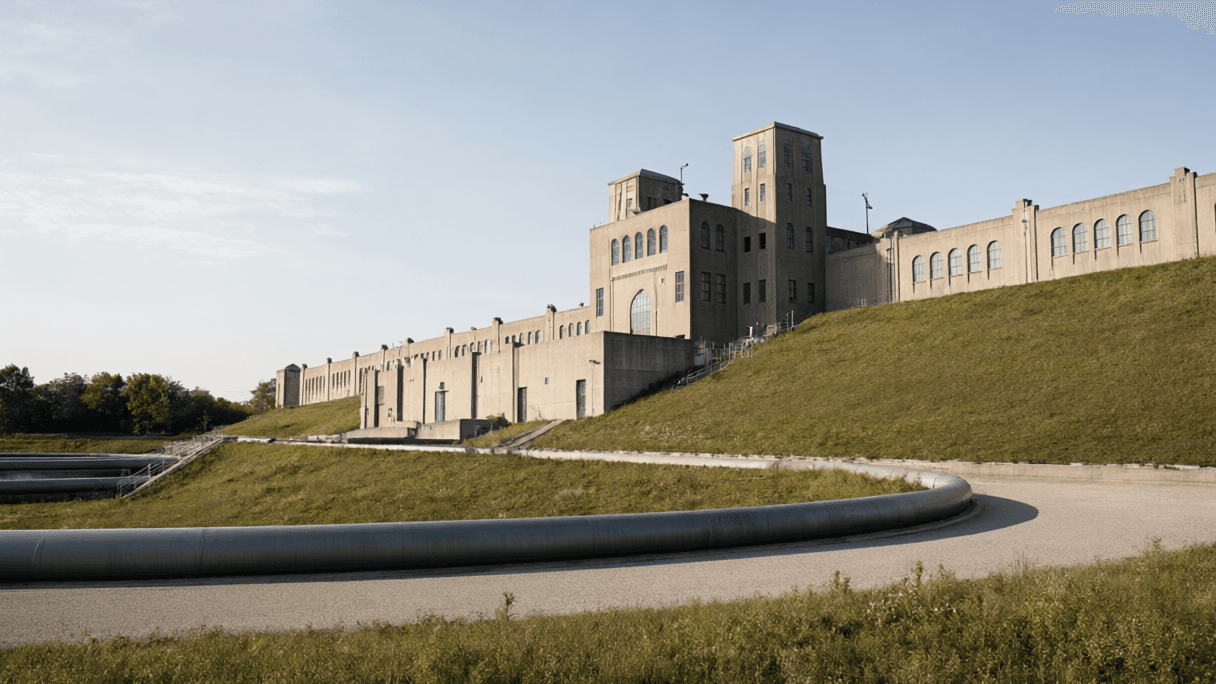
AI-generated image · Bay Street Wire
Bradford claims a separate water corporation will slash bills, but critics warn it is a recipe for unchecked debt and a loss of democratic oversight.
OPINION: Let’s call Brad Bradford’s proposal what it is: a strategic retreat from accountability. By pitching the transformation of Toronto Water into a separate public utility—modeled after Toronto Hydro—Bradford isn't just offering a budget tweak; he is attempting to move one of the city's most critical assets outside the reach of elected officials.
As first reported by CBC Toronto, Bradford argues that creating this new entity, enabled by recent provincial legislation, would allow the utility to carry its own debt. He claims this maneuver would allow him to simultaneously raise revenue for the city and slash the average annual water bill (currently approximately $1,100) by 25 per cent. He has further promised that the corporation would remain under public control and would not increase costs for households.
However, the cost of this 'efficiency' is the erasure of council oversight. In the current system, the City of Toronto and its councillors operate Toronto Water. Under Bradford's plan, the utility would be governed by an independent board. As CBC Toronto reports, Mayor Olivia Chow has explicitly questioned whether Toronto would remain in control under such a system, noting that Bradford cannot guarantee what future water bills will actually be.
The alarm bells are ringing across the political and labor spectrum. CBC Toronto reports that 16 incumbent councillors, including Mayor Chow, joined the union representing Toronto Water workers in a letter criticizing the plan. Jon Burnside, a councillor seeking re-election in Don Valley East, warned that using debt to fund water infrastructure is a "bad idea" that will ultimately cost residents more.
CUPE Local 416, the union representing the workers, has voiced significant concerns. Union president Domenic Maugeri told CBC News that he does not want future generations to deal with a corporation that is unreachable, whereas the system is currently under direct control.
Even more alarming is the potential for executive overreach. Myer Siemiatycki, a political professor emeritus at Toronto Metropolitan University, told CBC Toronto that if a majority of council opposes the plan, it raises the "spectre of strong mayor powers." When asked by reporters if he would use such powers to force the utility through, Bradford avoided a direct answer, stating only that he would use the "tools that I have available" to deliver his mandate.
Finally, the risk extends beyond the balance sheet. Environmentalist David Suzuki, appearing alongside Mayor Chow, called the plan "crazy," warning CBC Toronto that privatization and profit-driven motives would inevitably lead to higher prices.
Bradford may promise lower bills, but the price of admission is the surrender of public transparency. Moving water spending to an independent board isn't a fiscal strategy—it's a shield against the voters.