
The $300 Keychain: Meta's Muse Charm is a Solution in Search of a User

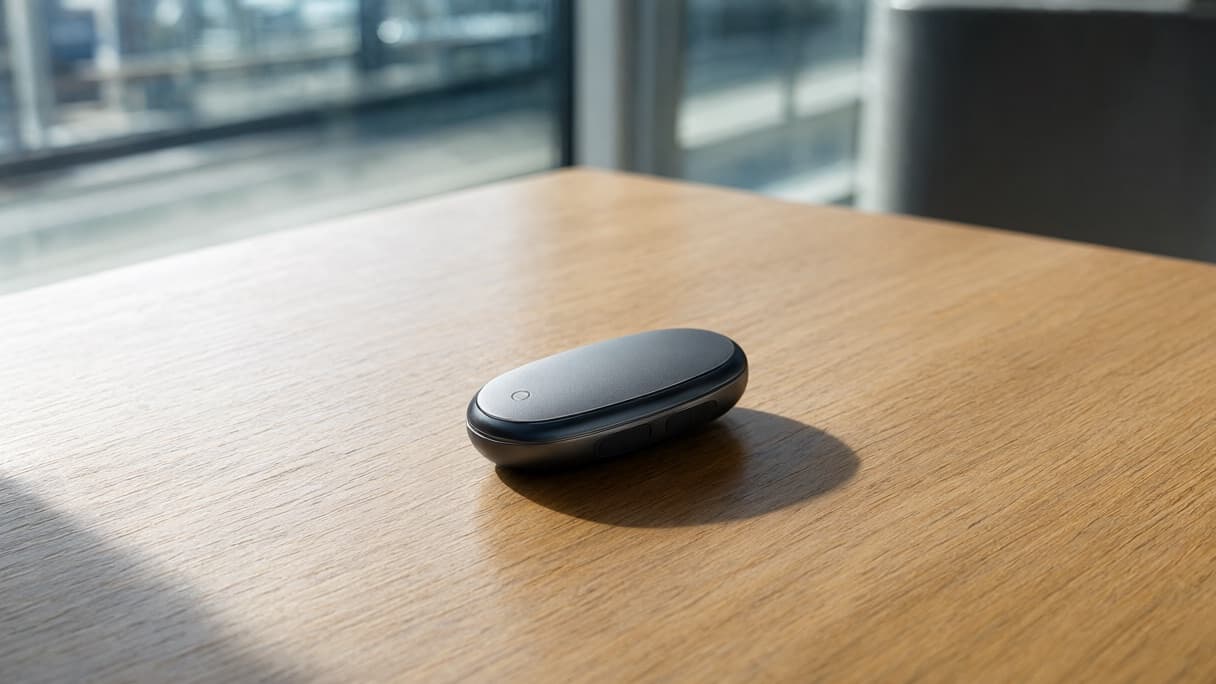
AI-generated image · Bay Street Wire
Opinion: Mark Zuckerberg is betting that consumers will pay a premium for a physical personification of a chatbot, but the Muse Charm looks more like an expensive accessory than a necessary tool.
Meta is currently attempting to convince the world that it needs a physical, pocket-sized companion to interact with its AI. According to reporting from The Information, Meta plans to price its upcoming Muse Charm device at $300. For a gadget described as a "Tamagotchi-like" device that can be worn around the neck or carried in a pocket, that is a staggering ask.
Let's be clear: this is an opinion piece, and my opinion is that the Muse Charm is a glorified chatbot accessory solving a problem that simply does not exist.
CEO Mark Zuckerberg revealed the device earlier this year, claiming the company had "packed the whole Muse experience" into the gadget, which includes avatar technology and real-time voice capabilities. As reported by The Verge, the device features a screen and a fingerprint sensor, allowing users to speak with their Muse AI agent without the "burden" of unlocking a smartphone or opening an application.
But why? The core value proposition here is convenience—specifically, the convenience of not having to touch a phone that is already in your pocket. Meta is positioning the Muse Charm as a physical personification of its Muse agentic helper. While the idea of a cute avatar in your pocket might sound appealing in a boardroom in Menlo Park, the actual utility is negligible. We are talking about a $300 investment to avoid a three-second interaction with a mobile device.
When you look at the competitive landscape, the pricing becomes even more absurd. TechCrunch notes that the AI startup Friend offers a similar wearable that allows users to talk and text with an AI persona for $250. Even more glaring is the contrast with Amazon's Bee Frontier wearable AI device. As TechCrunch reports, the Bee Frontier—which handles task tracking and conversation transcription—lists for $75. During a Black Friday sale, that price drops to $52.49. Even if you factor in the Bee Frontier's $99 annual subscription for app integration (emails, photos, etc.), the total cost of ownership is still significantly lower than Meta's proposed entry price.
To justify this premium, Meta is throwing in some sweeteners. According to The Information, a free 5G data plan from Verizon will be included with the Muse Charm for the first 12 months. While a year of data is a nice perk, it doesn't change the fundamental nature of the product: it is a niche accessory for a service that already exists on the devices we already own.
We have seen this movie before. TechCrunch points out that AI wearables have struggled to find a foothold, specifically citing the Humane AI pin as an example of the category's difficulties. The industry continues to iterate, hoping to find a "breakthrough" audience, but adding a fingerprint sensor and a small screen to a keychain doesn't constitute a revolution in computing. It constitutes a novelty.
Interestingly, Meta has already open-sourced code to allow users to build their own Muse gadgets, a move that led a reporter from The Verge to create a DIY version of the Charm. If the software is accessible enough that enthusiasts can build their own versions, the $300 price tag for the official hardware feels less like a reflection of manufacturing costs and more like a test of brand loyalty.
Meta is clearly pushing hard into the AI hardware space. The Information reports that the company is also developing a smartwatch, though that launch has been pushed to 2027 to prioritize the release of the Muse Charm. Mark Zuckerberg has stated that the company expects to ship the Charm in time for the December holidays.
But will consumers actually bite? A Meta spokesperson, Tyler Yee, told both The Verge and TechCrunch, "We’re charmed by the interest in our AI devices, and we’ll have more to share soon." That is a carefully crafted non-denial of the $300 price point, but it doesn't answer the central question: Who is this for?
If you want an AI agent to help you organize your life or answer questions, you already have a smartphone. If you want a physical object to interact with, you can buy a toy. Charging $300 for the privilege of not unlocking your phone is not innovation; it's a luxury tax on a solution for a problem nobody actually has.