
The 20th Year of the Sleepless City: Can Nuit Blanche Outrun Its Own Curation?

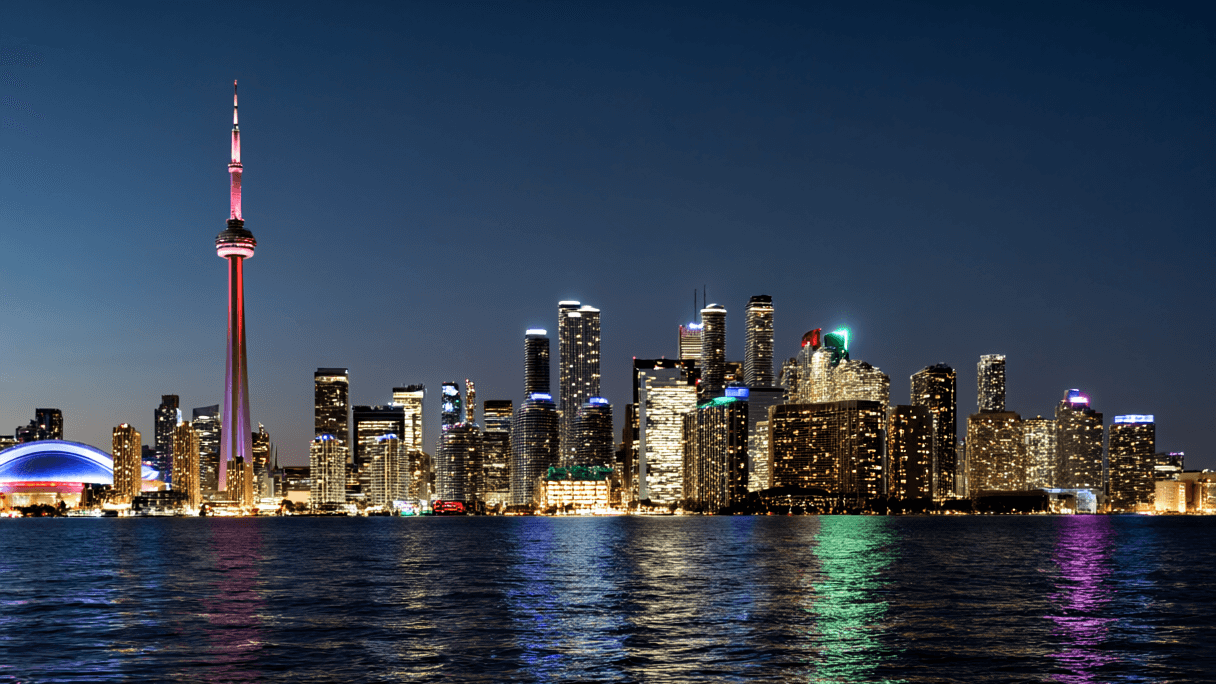
AI-generated image · Bay Street Wire
As Toronto prepares for a milestone anniversary of its all-night art event, the tension between raw urban experience and organized production takes center stage.
Twenty years ago, Nuit Blanche arrived as a disruption to the Toronto grid—a chaotic, sleepless rave of contemporary art that turned the city into a gallery without walls. Now, as the event reaches its 20th anniversary edition, the experience has shifted. What was once a fringe experiment has become a massive production, raising the question of whether the event's original spirit can survive the machinery of corporate-style curation.
As first reported by the City of Toronto, the upcoming event on Saturday, October 3, will feature more than 70 projects. The scale is immense, involving a mix of international, national, and local artists, as well as community partners and institutions. The city is leaning heavily into the spectacle of the 'making-of,' inviting media for behind-the-scenes access on Friday, October 2, to witness the inflation and installation of large-scale works.
This year's theme, "Tomorrow’s Memories," aims to explore the reimagining and preservation of memory through art. The curated list of works reflects a polished, diverse array of installations. The City of Toronto highlights several key projects, including *Museum of Lost Things* by Trevor Mahovsky and Rhonda Weppler, *in Water, Together* by Alexandra Gelis, and *Blankets (Under) Cover* by Shelley Niro. Other featured works include *Avataq* and *Avataq Gathering* by Couzyn van Heuvelen, *UFO* by Brandon Vickerd, *Simile Aria* by Maggy Hamel-Metsos, and *I Miss You: T.Dot Memories* by Francesca Nocera (also known as SUN SUN), which is curated by Witch Prophet.
However, the framing of the event suggests a shift toward the institutional. The City of Toronto positions the festival within a broader narrative of the city's global status, citing Toronto's role as an Official Host City for the FIFA World Cup 2026’ and its standing as a leader in finance, technology, and culture. When the art event is bundled with the city's economic engine and international rankings, the 'sleepless rave' energy risks being replaced by a managed corporate experience.
For those who remember the early days of Nuit Blanche, the allure was the unpredictability. Today, the event is a coordinated effort centered around hubs like Nathan Phillips Square and Old City Hall. While the sheer volume of art—over 70 projects—is a testament to the city's creative capacity, the transition from a spontaneous urban intervention to a curated milestone anniversary reflects a broader trend in Toronto's cultural life: the movement from the organic to the organized.
As the city prepares to activate these large-scale artworks, the real question isn't whether the art is provocative, but whether the city still has the appetite for the beautiful, uncurated chaos that once defined Nuit Blanche.