
Opinion: The Seasonal Anchor: Why Toronto's Blueberry Fields are More Than Just a Harvest

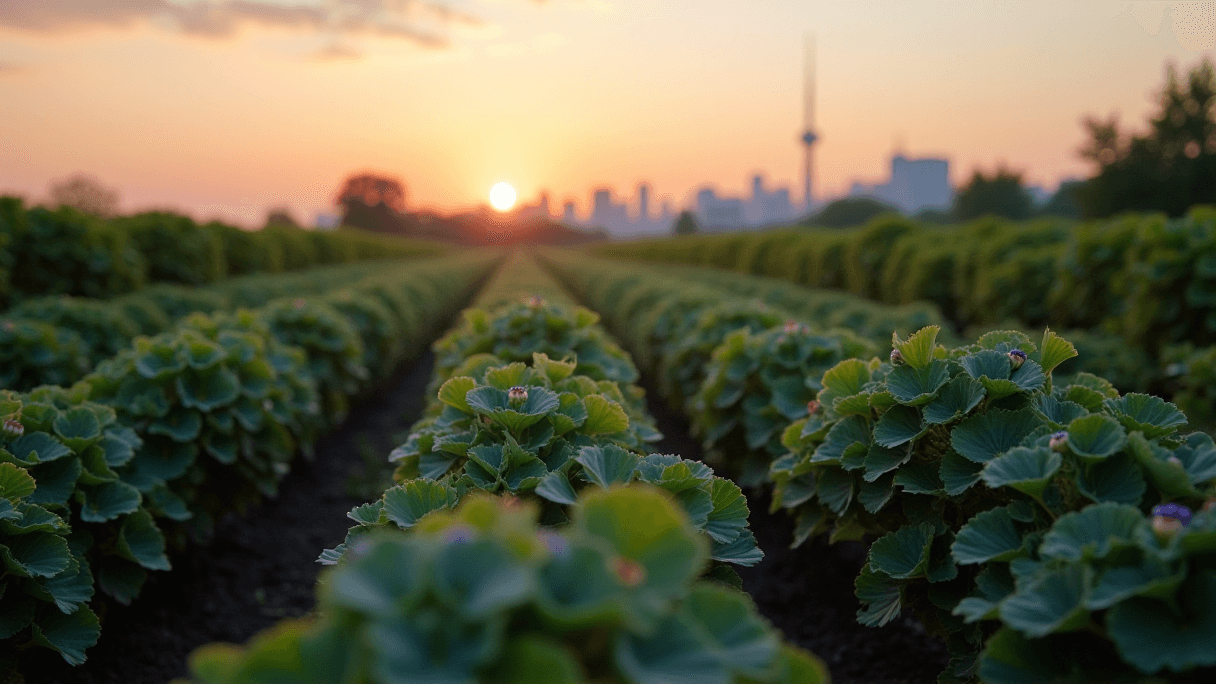
AI-generated image · Bay Street Wire
As the city's skyline grows, local farms like Marcy's Berries and Wilmot Orchards provide a critical, fleeting bridge back to the land and the rhythms of the Ontario countryside.
For those of us living within the concrete embrace of Toronto, the city often feels like a world unto itself, detached from the soil that sustains it. However, as mid-July transitions into August, a specific ritual emerges: the exodus from the skyline to the green fields of Ontario for blueberry season. While these trips are often framed as simple weekend outings, they represent something deeper—a vital, seasonal connection to the land that is increasingly rare in urban life.
According to reporting from BlogTO, the window for this connection is narrow. Blueberry season typically spans from mid-July through August, though the exact duration is dictated by the weather and the ripening process of the berries under the sun. For a few short weeks, the province's farms open their fields for pick-your-own adventures, offering a sensory reset for city dwellers.
These agricultural anchors vary in their approach, reflecting the diverse ways the land is managed. Some, like Marcy's Berries located at 1747 Valens Rd. in Valens, Ont., emphasize a structured, well-maintained experience. This family-owned operation has shifted its pricing model this season to charge by volume instead of weight. Visitors can purchase blueberries at $6 per pint, $10 for a one-litre basket, or $30 for a three-litre basket. While the farm provides baskets, BlogTO notes that guests are welcome to bring their own, provided they are marked in litres.
Other farms offer a more expansive immersion into the countryside. Blackstock Berries, situated at 13451 Old Scugog Rd. in Blackstock, Ontario, is positioned as a destination to trade city views for open fields. Specializing in blueberries, the farm offers six different varieties. In a move that lowers the barrier to entry for the experience, the picking itself is free, with guests paying only for the fruit they harvest, based on pricing available on-site.
Then there are the legacy estates that anchor the region's agricultural identity. Wilmot Orchards, located at 3377 Concession Rd. 3 in Newcastle, Ont., has been cultivating fruit for many generations. The scale of their operation is evident in their three blueberry patches and the 11 varieties of highbush berries available to the public. The experience here is timed; guests can pick for up to 1.5 hours. While admission is free from Wednesday to Friday, weekend visitors pay a fee of $5.30. Starting in August, the farm allows guests to book their picking windows online.
For those seeking a comprehensive day-long escape, Andrews Scenic Acres in Milton, Ont. (9365 10th Sideroad), integrates the harvest into a broader rural experience. Beyond the blueberries, the farm provides walking trails and interactions with farm animals. This multifaceted approach to the land comes with a general admission fee of $17.49 plus applicable taxes, which includes access to the pick-your-own experience. The farm operates daily from 10 a.m. to 4:30 p.m., with online booking available.
These farms do more than produce fruit; they preserve the knowledge of the land. Whether it is the distinction between lowbush and highbush blueberries mentioned by BlogTO or the generational expertise found at Wilmot Orchards, these sites serve as living classrooms. They remind the urban population that food does not simply appear on a shelf, but is the result of weather, soil, and labor.
In a city that is constantly accelerating, the act of spending an hour and a half in a blueberry patch or walking the trails in Milton is a necessary deceleration. These farms are the essential anchors that keep Toronto tied to the seasonal foodways of Ontario, ensuring that the connection to the earth is not entirely lost to the skyline.