
Opinion: Regulatory Vacuum: SpaceX’s Starmind Approval Sets Stage for Orbital Dominance

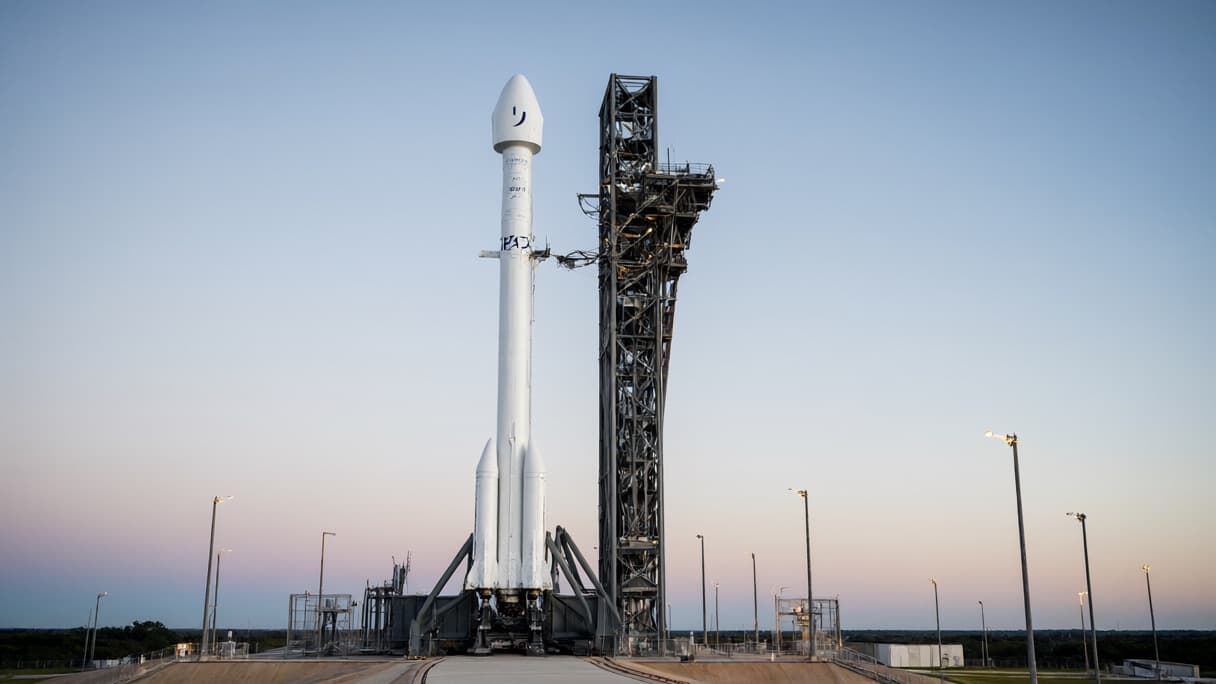
AI-generated image · Bay Street Wire
The FCC's decision to dismiss environmental and scientific concerns as outside its authority grants Elon Musk a critical first-mover advantage in the race for space-based AI infrastructure.
The Federal Communications Commission (FCC) has granted conditional approval for SpaceX to deploy a constellation of up to 1 million satellites designed to function as orbital data centers. The initiative, branded as "Starmind," represents a significant regulatory victory for Elon Musk, positioning the company to scale AI infrastructure in space at a magnitude far exceeding current terrestrial or orbital competitors.
From a deals and infrastructure lens, the most critical aspect of the FCC's decision is not what was approved, but what was dismissed. According to TechCrunch, the FCC rejected key objections from the American Astronomical Society, Viasat, and Amazon. These entities raised alarms regarding radiofrequency interference, orbital debris, congestion, and environmental impacts. However, the FCC determined that several of these concerns, including threats to scientific research, fell outside its regulatory authority.
By designating these systemic risks as beyond its purview, the FCC has effectively created a regulatory vacuum. This allows SpaceX to pursue a massive scale-up—targeting 1 million AI chip-equipped satellites—without the friction of comprehensive environmental or scientific oversight from the primary communications regulator. FCC Chair Brendan Carr characterized the move as opening a "bold new frontier" for the computing infrastructure necessary for American growth.
While the approval is a strategic win, the execution remains fraught with technical and economic hurdles. TechCrunch reports that SpaceX must still solve the problems of cooling processors in space, reducing manufacturing and launch costs, and securing financing for orbital chips. To support this, The Verge reports that SpaceX plans to produce the necessary chips at a future "Terafab" facility.
Furthermore, the FCC has not yet signed off on all aspects of the plan. The agency deferred a request from SpaceX to move retired satellites above 600 kilometers into "graveyard" orbits rather than requiring them to burn up in the atmosphere, citing a lack of sufficient information regarding the disposal process. SpaceX is currently seeking a waiver of the rule requiring satellites below 2,000 kilometers to reenter the atmosphere within five years of mission completion.
Despite these lingering hurdles, the timeline provides SpaceX with a massive window to establish dominance. The FCC has mandated that at least one satellite be operational by 2033, with the full 1 million satellite constellation deployed by 2040.
SpaceX is not alone in the orbital AI race. The Verge notes that Google has already taken first steps with the launch of an AI server satellite, and Jeff Bezos’ Blue Origin is scheduled to perform the first dedicated heavy-lift launch for Project Suncatcher in 2029. However, the FCC's authorization of a full constellation for Starmind marks the first time the agency has granted such a broad approval for AI satellites. By securing the right to deploy a million-unit fleet, SpaceX is leveraging a regulatory environment that prioritizes rapid expansion over the cautionary objections of its competitors.