
Opinion: Powering the GPU: Why Petra Power’s Fuel Cell Pivot Matters

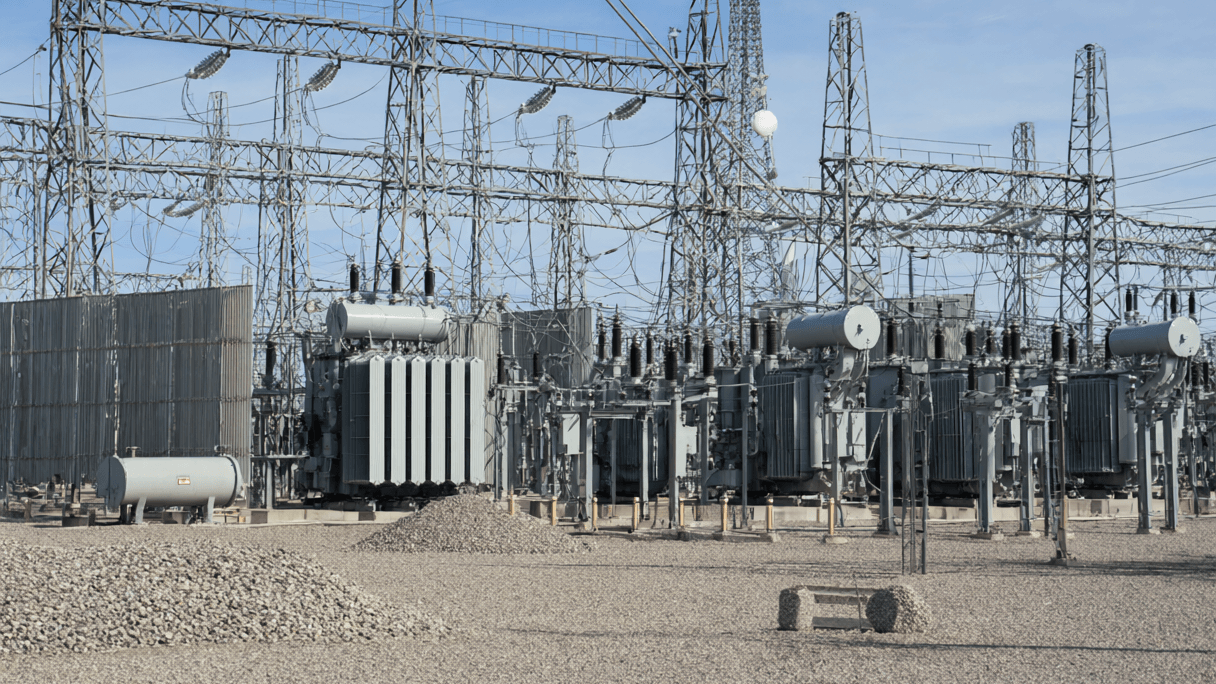
AI-generated image · Bay Street Wire
As AI energy demands skyrocket, the bottleneck isn't just the chips—it's the grid. Leon Abara looks at how Petra Power's solid oxide fuel cells aim to bypass traditional combustion inefficiencies.
Q: Everyone is talking about LLMs and H100s, but what is the actual physical bottleneck for the AI era?
A: The bottleneck is energy. As TechCrunch first reported, AI is consuming an ever-increasing amount of power, sparking an urgent search for energy sources that are both cost-effective and efficient. We can build the most advanced GPUs in the world, but they are useless if the grid can't keep up.
Q: How does Petra Power intend to solve this energy crisis for data centers?
A: Petra Power, founded in 2017, is deploying solid oxide fuel cells. According to TechCrunch, these are ceramic devices that convert fuels, such as natural gas, into electricity without using combustion. Founder Aaron Goodman explained to TechCrunch that traditional power generation is inefficient because it relies on a multi-step process: combustion creates explosions, which create heat, which creates motion, which finally creates electricity. Petra’s technology strips electrons directly from the fuel in a single step, which Goodman claims is theoretically much more efficient and results in lower fuel costs and emissions.
Q: Beyond efficiency, what are the hardware advantages of these fuel cells?
A: In addition to the energy gains, Aaron Goodman told TechCrunch that Petra's units are more compact and lightweight than traditional power sources, meaning they have a significantly smaller physical footprint.
Q: Who is actually buying this tech? Are the hyperscalers on board?
A: Not yet. While Goodman told TechCrunch that hyperscalers are an "ideal customer profile" because they are the largest power consumers, Petra has no firm agreements with them. Instead, the company is currently working with infrastructure providers and "neoclouds" that sit a few steps below the hyperscalers. According to TechCrunch, the target for the first deployments with these customers is 2028, with the company aiming for full-scale production by 2029.
Q: Is this strictly a data center play?
A: No. TechCrunch reports that Petra is also targeting the U.S. Defense Department. The goal is to provide auxiliary power for land vehicles to run onboard equipment while the main engine is off. While these fuel cells have not yet been deployed on a live vehicle and are currently in a testing phase, Goodman noted that Petra has already secured nearly $9 million in contracts from the Defense Department.
Q: How large is the operation currently?
A: Petra is a lean team of approximately 15 people, though Goodman told TechCrunch the company is growing. The startup was also recently selected for the TechCrunch Startup Battlefield 200.