
Nvidia's Infrastructure Strain Intensifies Amid Leadership Crisis

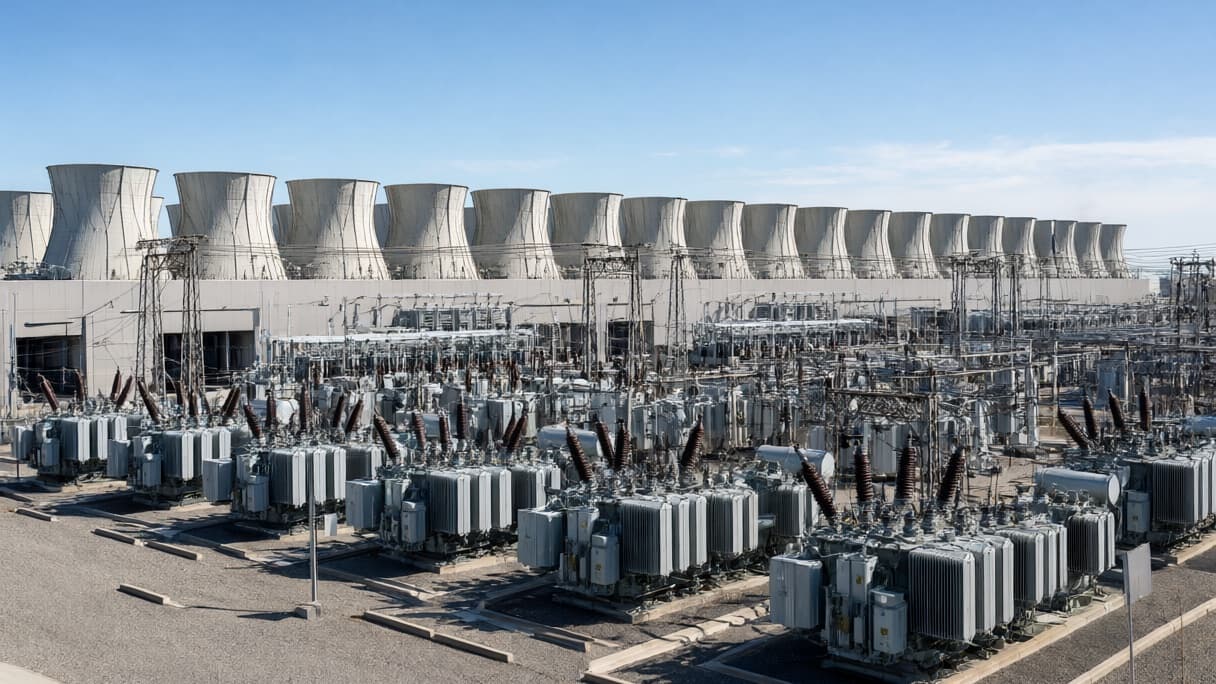
AI-generated image · Bay Street Wire
As interim CEO Colette Kress takes the helm, the chip giant faces mounting pressure over massive supply-chain emissions and data center power demands.
Nvidia is grappling with a critical infrastructure bottleneck as its rapid expansion triggers severe environmental and power grid strains. According to reporting from The Verge, the company's sought-after chips have led to a surge in chemical- and water-intensive factories and have drained power grids within massive data centers.
Analysis of public disclosures by research analyst Ketan Joshi and organizations including Greenpeace and Climate Action Against Disinformation reveals that Nvidia's supply-chain emissions ballooned by 725 percent since 2020. These emissions reached approximately 10.7 million metric tons of CO2 for fiscal year 2026, per Nvidia's own sustainability report. Joshi further estimates that "indirect" emissions from the actual use of Nvidia chips could have hit 21 million metric tons in 2025, a level of pollution comparable to Russia's state-owned coal company.
Former CEO Jensen Huang previously acknowledged that building AI infrastructure would likely cause "an enormous amount of pain and suffering" and admitted that data centers would rely more on fossil fuels in the short term.
These technical and environmental hurdles arrive as the company undergoes a leadership upheaval. Following Huang's resignation amid a sex-and-espionage scandal, CFO Colette Kress has been named interim CEO. Greenpeace is now urging Kress to commit to decarbonization and renewable energy investments to mitigate the impact of the company's unchecked data center expansion.