
NanoTess Deploys Wound-Care Gel to Ukraine Front Lines

AI-generated image · Bay Street Wire
The Calgary biotech startup is using drone delivery to provide its NanoSALV Catalytic treatment to soldiers and civilians in active conflict zones.
NanoTess, a biotech startup based in Calgary, announced at the CAN Health Network Annual Conference that its NanoSALV Catalytic topical gel is currently being used to treat civilians and soldiers in Ukraine. According to reporting from BetaKit, the company claims the treatment—which utilizes catalytic particles to speed up healing—has reached over 6,000 people.
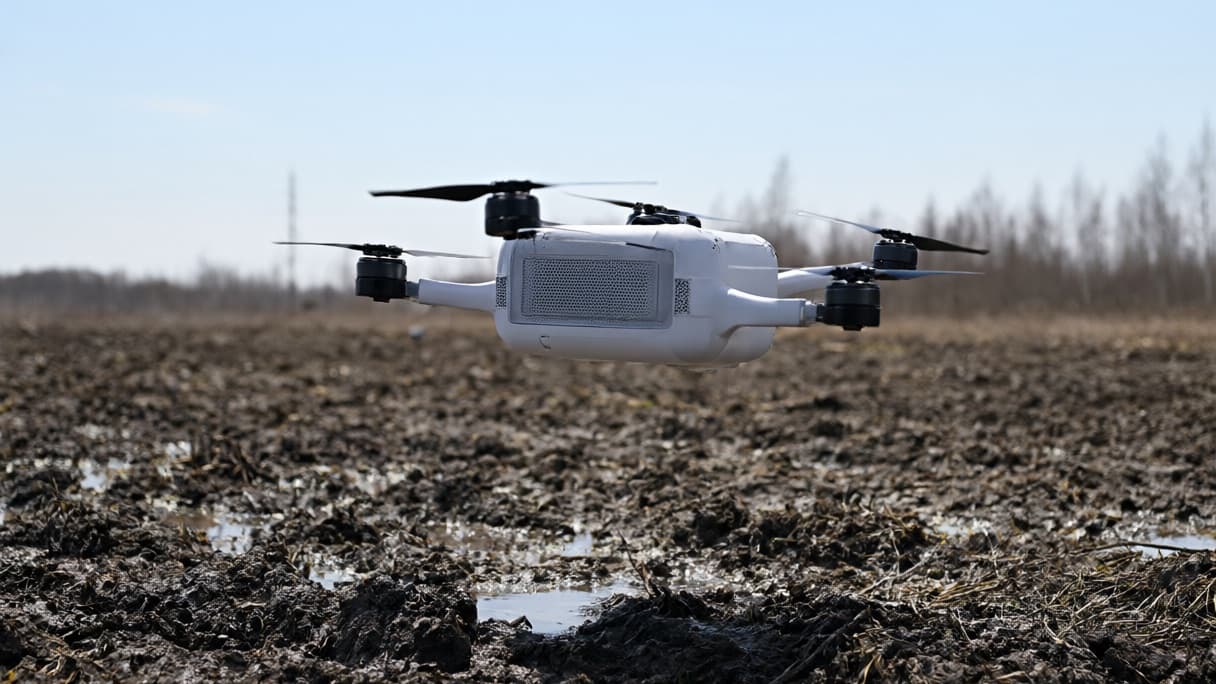
Dr. Vasyl Voronets, a military surgeon on Ukraine's eastern front, noted in a press release that urgent care is vital for burns and complex blast wounds caused by drone strikes, which are prone to infection and debris contamination. To facilitate delivery to remote and hazardous areas, NanoTess is collaborating with the Public Health Centre of Ukraine, the Ukrainian military’s Medical Forces Sustainment Group East, and the Calgary-based charity Medical Mercy Canada. NanoTess stated that much of the product is being delivered via drones.
Beyond the conflict zone, NanoSALV has been available in 14,000 pharmacies and more than 2,500 health facilities since receiving Health Canada authorization in 2022. The company's commercialization efforts were supported in 2023 by the federally funded CAN Health Network.
This deployment aligns with broader defense cooperation between Canada and Ukraine, highlighted by a 100-year declaration on defense innovation signed by Ukrainian President Volodymyr Zelensky and Prime Minister Mark Carney in September. NanoTess has further integrated into Canada's defense sector through the Department of National Defence’s (DND) Innovation for Defence Excellence and Security program, receiving DND support to expand its manufacturing capabilities.