
Montreal 1976: A Legacy of Fiscal Strain and Sporting Growth

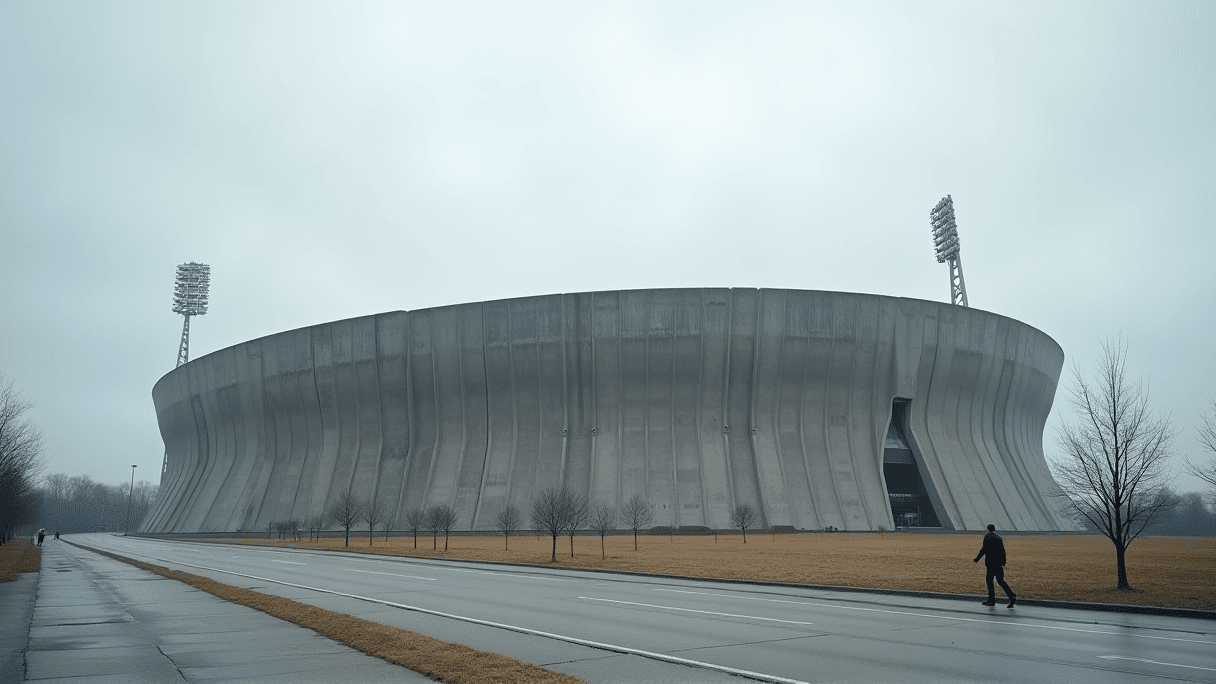
AI-generated image · Bay Street Wire
Five decades after the Games, the 'Big Owe' remains a symbol of architectural mismanagement despite claims of long-term athletic benefit.
The 1976 Montreal Olympic Games serve as a stark reminder of how infrastructure costs can overshadow athletic achievement. According to reporting from Sportsnet, the Olympic Stadium became a focal point of controversy due to corruption during construction, a faulty retractable roof, and falling concrete. These issues earned the venue the nickname the "Big Owe," as Montrealers spent three decades paying off a $1-billion price tag.
Despite the fiscal mismanagement and the criticism directed at then-Montreal Mayor Jean Drapeau, some officials argue the Games provided a necessary foundation for Canadian sport. Thomas Bach, honorary president of the International Olympic Committee, suggests the event put Canada on the map as a major organizer, while sports broadcaster Claude Mailhot notes that the success of the event paved the way for Calgary and Vancouver to host future Olympics.
Eric Myles, chief sport officer at the Canadian Olympic Committee, claims the Games were actually profitable regarding operating expenses. He notes that the event catalyzed the creation of enduring venues like the Olympic Basin and the Claude-Robillard Sports Complex. Tricia Smith, president of the Canadian Olympic Committee, further attributes the creation of several provincial sports federations and a robust culture of athlete support in Quebec to the 1976 Games.