
Molding Memory: Why the Caribbean Diaspora's Clay Works are Essential to Toronto's Cultural Fabric

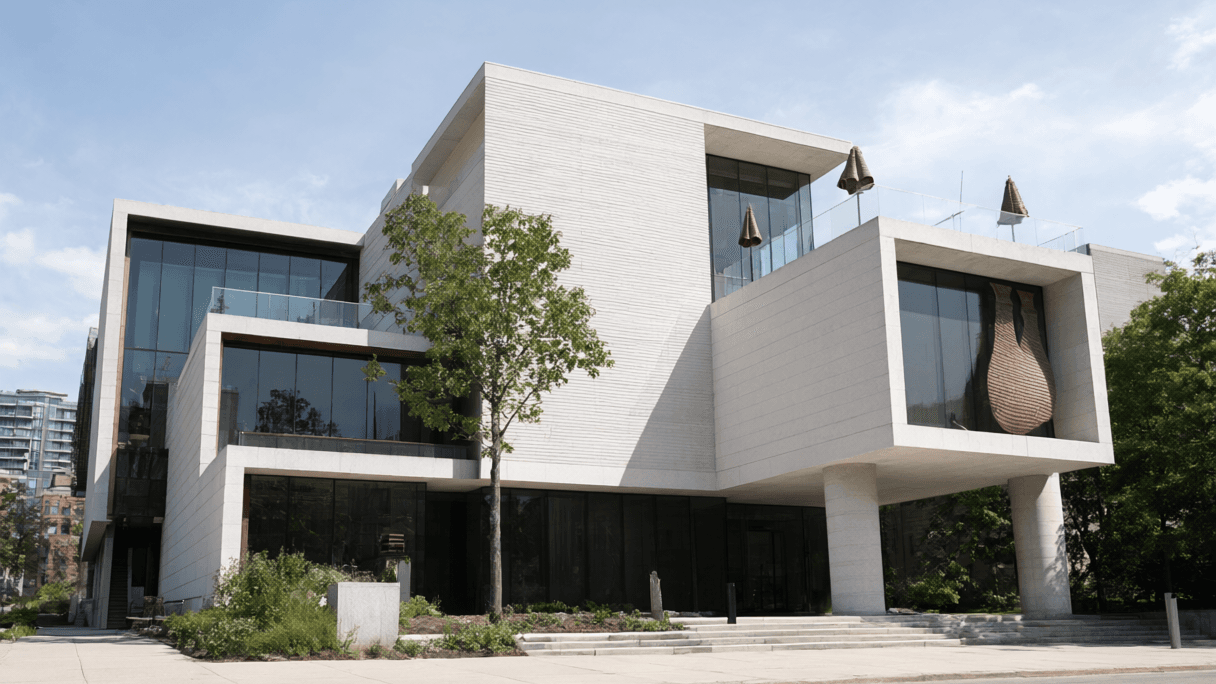
AI-generated image · Bay Street Wire
Opinion: In the new exhibition at the Gardiner Museum, clay is more than a medium—it is a vessel for preserving the fragmented histories of resistance and belonging.
Art is rarely just about the object; it is about what the object refuses to let us forget. In the current exhibition at the Gardiner Museum, titled *After the Island: Caribbean Canadian Ceramics*—as BlogTO first reported—the medium of clay is being used as a physical anchor for the fragmented memories of the Caribbean diaspora in Toronto.
Presented in collaboration with Black Artists' Networks in Dialogue (BAND), the exhibition explores the body as a site of memory, protection, resistance, and belonging. The true value of this show lies in how four artists use the tactile nature of ceramics to mold abstract concepts of heritage into tangible forms.
PJ Anderson draws on her Red River Métis and Afro-Jamaican heritage to create sculptures that function as both containers and armor, blending elements of futurism and science fiction. Similarly, Eddy Firmin explores the physicality of trauma through motion-sensored ceramic punching bags featuring his own face, alongside an interactive video game installation that navigates stories of the African diaspora.
The exhibition also tackles labor and class through Sharon Norwood’s work, which combines ceramic sculptures with textiles and vintage dinnerware to reinterpret a refined dining table and question the invisible labor sustaining wealth. Finally, Manual Mathieu, a Haitian Canadian artist, incorporates smell into the experience via a tent constructed from ceramics, metal, and burned canvas.
By transforming clay into armor, punching bags, and dining tables, these artists ensure that the stories of the Caribbean diaspora are not lost to time. *After the Island* proves that when clay is used to mold memory, it becomes a language of its own, reconstructing a sense of self and belonging in the heart of Toronto.