
Meta's Muse Gadgets: Open Hardware or Ecosystem Trap?

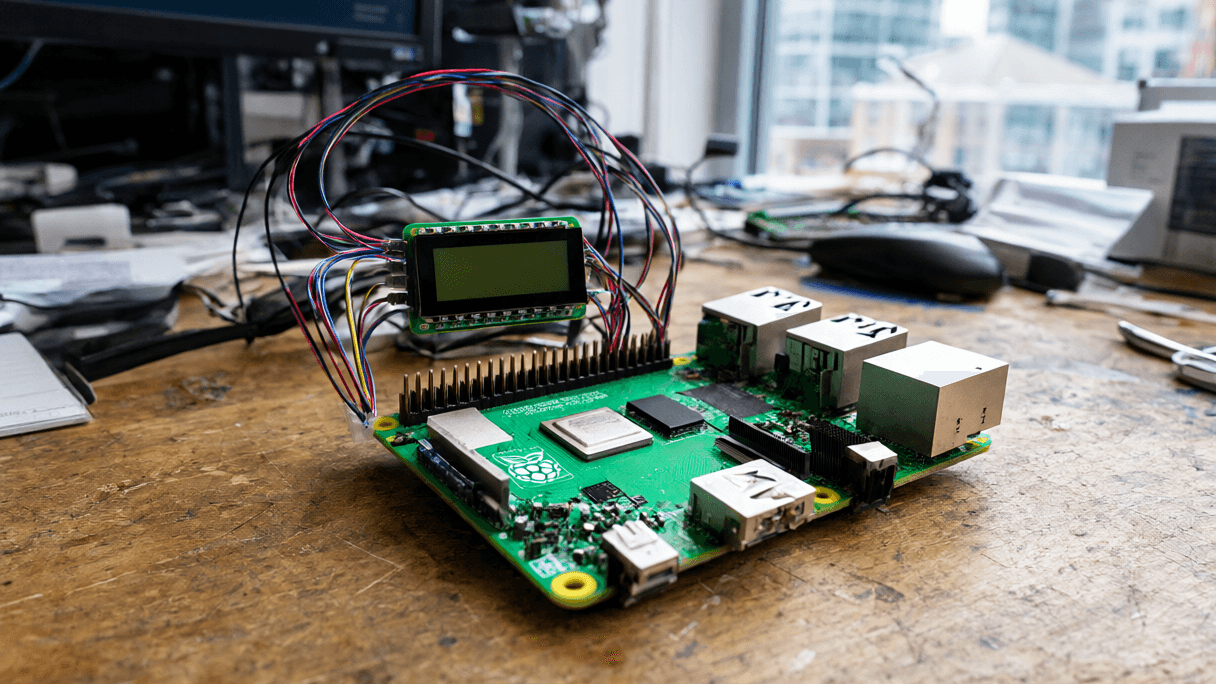
AI-generated image · Bay Street Wire
Meta is inviting hackers to build their own AI hardware, but the move looks more like a strategic play for dominance than a gift to the maker community.
Q: What exactly is Meta doing with the Muse AI agent now?
A: Meta has launched an open-source project called Muse Gadgets. According to reporting from The Verge and TechCrunch, the company is providing open-source firmware and a Linux software development kit (SDK) to allow developers and tinkerers to build their own hardware that connects to Muse.
Q: What kind of hardware can people actually build?
A: Meta is suggesting a variety of DIY projects. The Verge reports that users can load Muse onto color E Ink displays for reminders, use an HDMI stick to put the AI agent on a large screen, or create a small touchscreen device similar to a DIY Muse Charm. TechCrunch notes that users can utilize off-the-shelf ESP32 boards or hobbyist computers like the Raspberry Pi to connect Muse to sensors, buttons, actuators, and displays.
Q: Is Meta providing any pre-made hardware to get people started?
A: Yes. Nat Friedman, the head of product at Meta’s Superintelligence Labs, announced on X that the company created a USB-C-powered device called the Muse Home Link. This gadget allows Muse to connect to a home network to control smart TVs, speakers, and other devices. Meta manufactured 5,000 of these units and is giving them away for free to Muse subscribers, according to TechCrunch. The Verge reports that these are expected to ship sometime in October 2026.
Q: What can the Muse Home Link actually do?
A: Per Meta, as reported by The Verge, the Home Link uses community-built skills to perform tasks such as sending documents to a printer, controlling a TV, or turning on lights, depending on the user's specific setup.
Q: Beyond the hobbyists, who else is Meta targeting with Muse?
A: TechCrunch reports that Meta is pursuing an "all-in strategy" to expand Muse beyond a simple chatbot. This includes targeting small businesses with "Muse for Small Business"—which integrates with Slack, Dropbox, and Shopify—and the launch of the Meta Enterprise Platform to reach corporate customers.
Q: Is there any catch to building these gadgets?
A: While Meta is promoting the open-source nature of the project, The Verge notes that the company explicitly cautions users to "Proceed at your own risk!"
**Theo's Take:** On paper, this is a dream for the Raspberry Pi crowd. But let's be real: by giving away 5,000 Home Links and open-sourcing the firmware, Meta isn't just fostering creativity; they're ensuring that when you build your "custom" hardware, it's anchored firmly to their AI ecosystem. It's a clever way to get the most dedicated power users to do the R&D for them while locking them into the Muse orbit.