
DIY AI: Can You Actually Build Your Own Muse Gadgets?

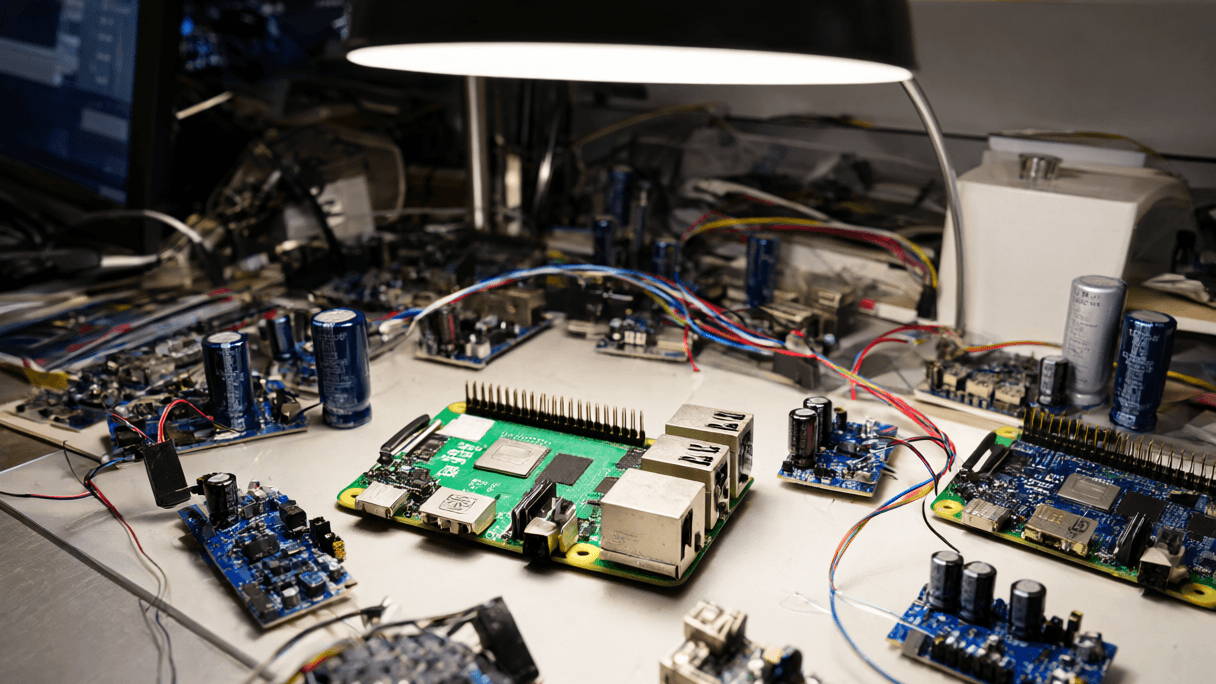
AI-generated image · Bay Street Wire
Meta is open-sourcing the guts of its Muse AI agent, turning your workbench into a hardware lab. Here is the breakdown of what you can build and what Meta is giving away.
Q: What exactly is Meta doing with the Muse AI agent in terms of hardware?
A: According to reporting from The Verge, Meta has open-sourced the code for its Muse AI agent, effectively allowing users to build their own Muse gadgets. The company is providing SDKs that enable people to program off-the-shelf ESP32 boards or set up Raspberry Pi systems to integrate Muse with various sensors, actuators, buttons, and displays.
Q: What are some examples of the DIY projects Meta suggests?
A: The Verge reports that Meta suggests several specific applications, including loading Muse onto a color E Ink display for reminders, using an HDMI stick to project Muse onto a large screen, or utilizing a small touchscreen to create a DIY version of a Muse Charm.
Q: Is this a polished consumer experience or more of a hobbyist venture?
A: It leans heavily toward the hobbyist side. While Meta encourages the use of whatever components a user has on their workbench, The Verge notes that Meta explicitly warns users to "Proceed at your own risk!"
Q: I heard Meta is giving away a specific piece of hardware. What is the Muse Home Link?
A: The Muse Home Link is a gadget manufactured by Meta that connects the Muse AI agent to home Wi-Fi. Per Hacker News, this allows Muse to interact with compatible existing devices or any custom hardware built with a local HTTP API. Using community-built skills, the agent can perform tasks such as controlling a TV, turning on lights, or sending documents to a printer, depending on the user's specific setup.
Q: How do I get a Muse Home Link, and what are the requirements?
A: According to Hacker News, the device is free for users in the United States who have an active Muse subscription, with a limit of one per subscriber. The offer is first come, first served. Nat Friedman of Meta Superintelligence Labs told The Verge that Meta manufactured 5,000 of these gadgets. A waitlist is currently open, and the devices are expected to ship sometime in October.