
Manitoba's Power Play: Treating Compute as a Cash Cow

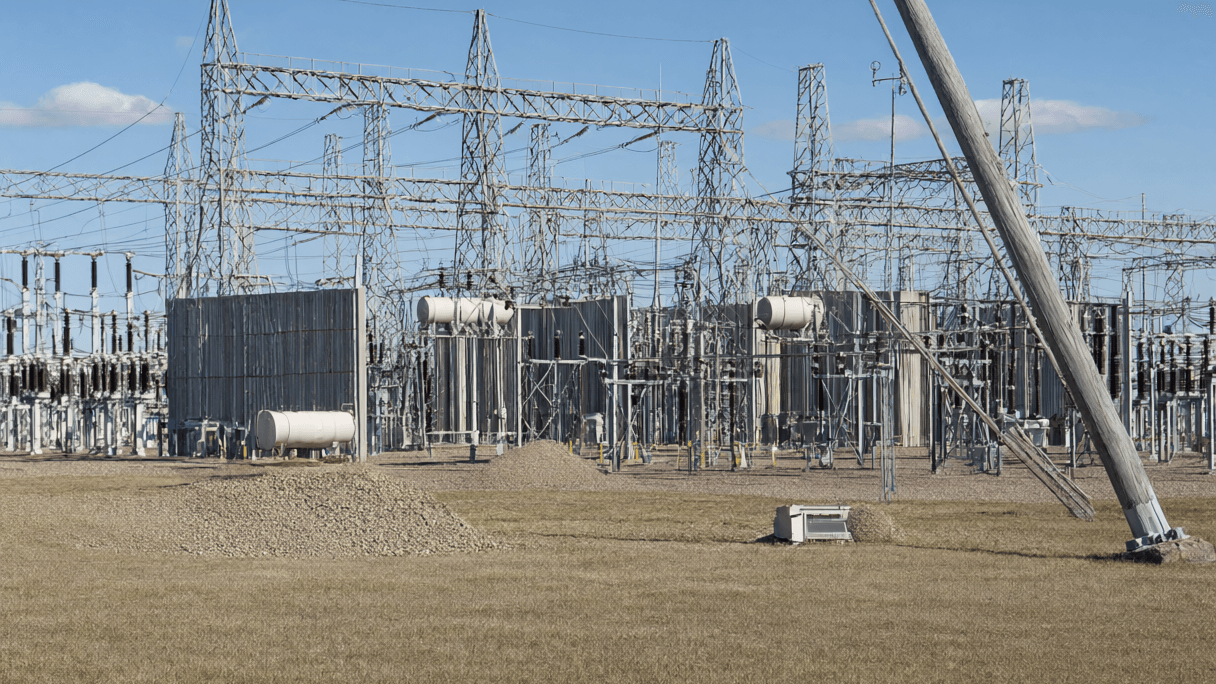
AI-generated image · Bay Street Wire
By leveraging AI data centers and crypto miners to subsidize residential utility bills, the province risks alienating the very hyperscalers it needs for long-term infrastructure growth.
From a hardware and supply-chain perspective, the race for AI dominance is essentially a race for power. While most of Canada's prairie provinces are aggressively courting the data center boom, Manitoba is positioning itself as a strategic outlier, as first reported by BetaKit.
According to reporting from BetaKit, the provincial government has implemented a levy that targets cryptocurrency mining and AI data centers. The mechanism is blunt: Manitoba Hydro is required to create distinct customer classes for these operators, resulting in a 100 percent markup on electricity for any facility exceeding 5 megawatts. In effect, the province has doubled the standard electricity rates for these power-hungry operations.
Finance Minister Adrien Sala has been explicit about the destination of these funds. As BetaKit reports, Sala stated that the revenue—which the government predicts could reach $20 million—will be used to lower Manitoba Hydro rates for residential ratepayers. The goal is to offset household costs by approximately $50 per year, with rate reductions slated to begin early next year. Sala framed the move as a matter of fairness, stating that large-scale AI and crypto operations use significant electricity and should contribute to the system.
***
**Opinion:** Here is where the strategy becomes precarious. By directing this revenue specifically toward residential pocketbooks, Manitoba is signaling to hyperscalers that it views high-compute infrastructure not as a strategic anchor for economic development, but as a cash cow to be milked for short-term political wins.
When you double the cost of the primary input—electricity—you aren't just 'asking for a fair contribution'; you are actively disincentivizing the development of large-scale projects. BetaKit notes that the province has already been proactive in using restrictive regulations and steep fees to discourage these developments.
***
The impact is already visible. BetaKit reports that the cryptocurrency industry argued earlier this year that this legislation would effectively shut down Manitoba's crypto sector. Furthermore, the province currently lacks the infrastructure to even make this tax a major revenue driver for AI; the only proposed project that would currently meet the 5.5 megawatt threshold for the tax is located near Rosser, Man.
While the government's focus on public infrastructure and cost-of-living issues is a valid policy choice, the method of funding it creates a hostile environment for deep tech. In a global market where data center operators are hunting for stable, affordable power, Manitoba's decision to use compute as a residential subsidy may leave it stranded while its neighbors build the foundations of the AI economy.