
Infrastructure Neglect as a Public Health Risk: The Hillcrest Cooling Tower Failure

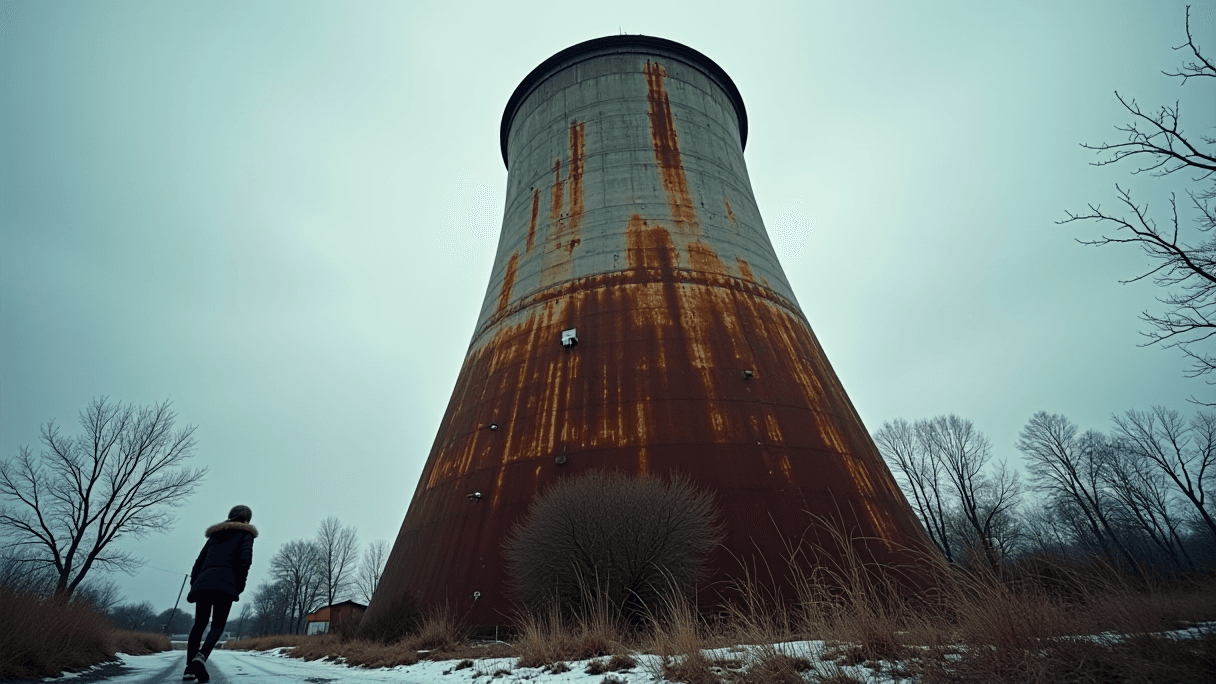
AI-generated image · Bay Street Wire
A localized outbreak of Legionnaires' disease linked to TTC equipment reveals the dangerous intersection of deferred maintenance and commuter safety.
For the daily commuter, the risks of the TTC are usually measured in signal delays or platform crowds. However, a recent public health crisis has shifted the focus from transit efficiency to systemic safety lapses in the agency's physical infrastructure.
As CityNews Toronto first reported, public health officials have identified a cooling tower at the TTC’s Hillcrest Complex as the source of a Legionnaires’ disease outbreak. The disease, a severe form of pneumonia caused by Legionella bacteria, is contracted when individuals breathe in small water droplets containing the bacteria. While the bacteria can exist in various water sources—including humidifiers, decorative fountains, sprinkler systems, and hot tubs—the failure of the TTC's industrial cooling equipment turned a maintenance site into a public health hazard.
***Opinion:*** *The presence of Legionella in a cooling tower is not a random act of nature; it is a failure of basic infrastructure hygiene. When the TTC allows essential cooling systems to become breeding grounds for pneumonia-causing bacteria, it ceases to be a mere operational oversight and becomes a systemic safety lapse. Every commuter and resident near these facilities is placed at risk when the agency fails to maintain the very systems designed to keep the city moving.*
CityNews Toronto reports that the outbreak resulted in six confirmed cases within a one-kilometre radius of the intersection of Bathurst and Dupont streets. The link was solidified after samples taken from the Hillcrest Complex tower matched a sample from one of the Legionnaires' cases. The danger extended beyond the general public; health officials identified a possible epidemiological link between this specific outbreak and five additional cases of the disease at Castleview Wychwood Towers, a local long-term care home.
While public health officials state that the risk to the general public remains low and note that the disease does not spread from person to person, the gravity of the situation is evident in the number of affected individuals. CityNews Toronto notes that the TTC has since worked with officials to shut down the affected cooling equipment.
This incident serves as a stark reminder that the safety of the Toronto commute is not just about the trains on the tracks, but the integrity of the infrastructure supporting them. When basic cooling towers are neglected to the point of triggering a disease outbreak, the agency's commitment to public safety is called into question.