
Infrastructure Bottlenecks Loom as Voters Reject Data Center Expansion

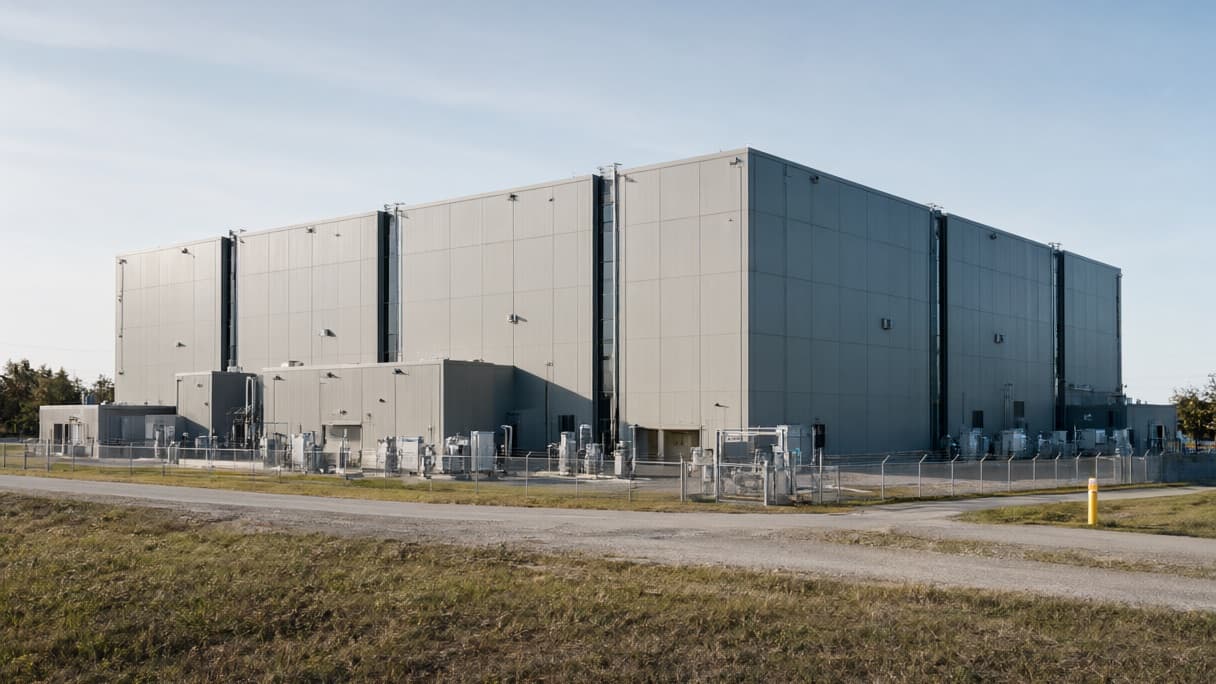
AI-generated image · Bay Street Wire
Widespread support for moratoriums and restrictive ballot measures threatens the raw scaling model of the AI and SaaS industry.
The rapid expansion of the AI industry is facing a significant infrastructure bottleneck following a wave of voter opposition in the midterms, as The Verge first reported. Voters across the U.S. rejected unrestrained data center development through both candidate elections and local ballot measures.
Data from Redbud Consulting indicates that 33 of 45 local ballot measures nationwide resulted in restrictions on development. Specific examples include the Town of Wells, Maine, which approved a 180-day moratorium on large facilities, and the City of El Dorado, Kansas, which enacted a 10-year ban on data centers with peak electrical loads exceeding 10MW. Additionally, several Ohio cities voted to ban facilities over 25MW.
Political shifts in key tech hubs further complicate the scaling landscape. In Texas, Democratic Governor-elect Gina Hinojosa supports a statewide moratorium on development, succeeding Republican Greg Abbott. In the same state, Democratic State Rep. James Talarico won a landmark Senate seat in a victory against Ken Paxton, emphasizing environmental impacts and public profit-sharing.
While some candidates who favor development prevailed—such as Florida Governor-elect Byron Donalds and Iowa Governor-elect Rob Sand—the political climate is shifting toward higher operational costs. Donalds previously introduced the Protecting Ratepayers Act to require developers to pay for their own water and energy needs; while Talarico and Paxton differed on other issues, both sought to remove certain tax exemptions and make developers responsible for infrastructure costs.
For SaaS providers, these restrictions signal a pivot point. As the ability to simply build more capacity diminishes, the industry must shift from raw scaling to extreme compute efficiency to protect margins against rising infrastructure costs and regulatory hurdles.