
Duct Tape and Prayers: What a Near-Catastrophe at Jane Street Reveals About Our Fragile Infrastructure

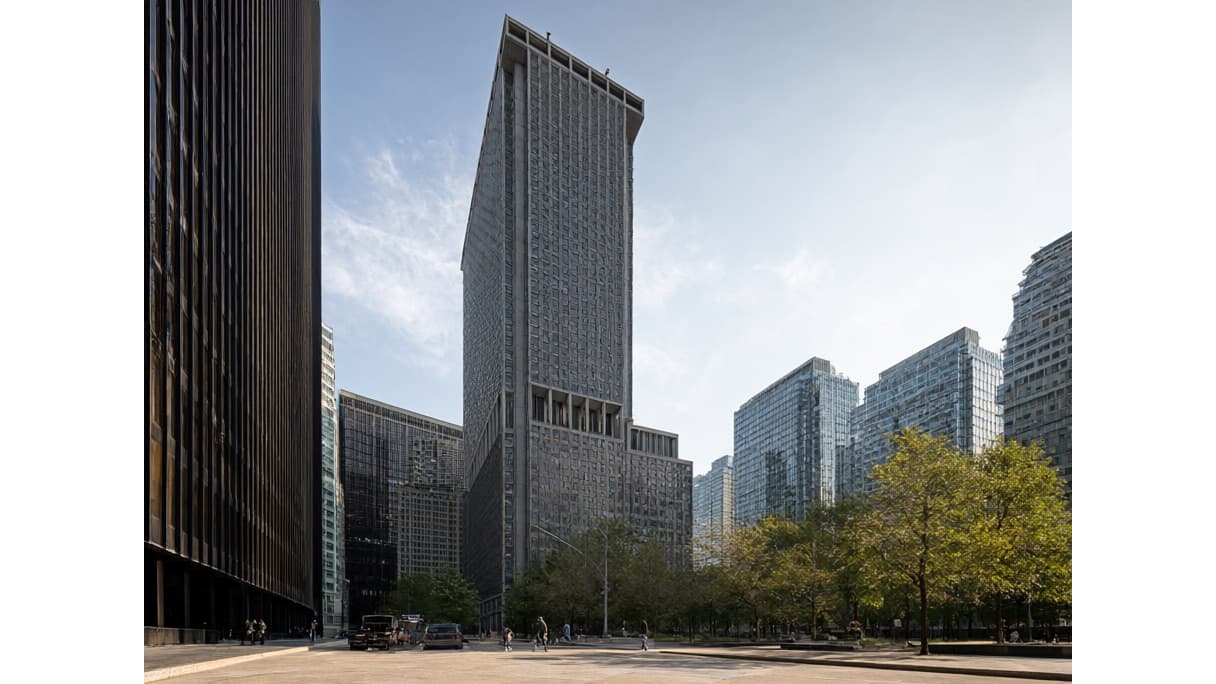
AI-generated image · Bay Street Wire
A false smoke alarm nearly drowned a datacenter in Manhattan. If the world's most sophisticated firms are this vulnerable, why are the Big 3 charging us premium rates for 'reliable' connectivity?
### Opinion: The Illusion of Premium Connectivity
For years, the Big 3 telecom giants have sold us a narrative of seamless, industrial-grade reliability. They charge premium rates for the privilege of staying connected, framing their infrastructure as a fortress of stability. But as a harrowing account first reported by Hacker News reveals, the reality of high-end connectivity can be far more precarious.
If a simple puff of dust can nearly sink a major financial firm's datacenter, we have to stop pretending that the backbone of our digital world is built for resilience. We are paying top dollar for connectivity that is, in many cases, held together by duct tape and prayers.
### The Dust That Almost Ended it All
Consider the account provided by mbacarella, a former member of the systems team at the quantitative trading firm Jane Street. The firm operated its New York City datacenter inside 1 New York Plaza, a standard office skyscraper in Manhattan.
Despite Jane Street's reputation for sophistication, the facility's survival once hinged on a desperate sprint. According to the account, contractors working in a prep room adjacent to the datacenter kicked up dust while cutting into materials, which triggered the smoke alarm.
The facility utilized a specific fire suppression logic: once the smoke alarm was triggered, the pipes were filled with pressurized water. While the sprinklers only activate via heat-sensitive plugs, the system was wired to automatically shut down the Computer Room Air Conditioner (CRAC) units to avoid feeding a potential fire with oxygen.
### The Cooling Death Spiral
This design created a lethal paradox. The datacenter—which housed 10 rows of server cabinets, 10 cabinets deep, along with refrigerator-sized network switches and a subterranean diesel backup generator—required constant cooling.
Once the smoke alarm killed the CRAC units, the temperature began to climb. If the heat reached 150 degrees Fahrenheit, the heat-sensitive plugs in the sprinkler heads would melt, releasing pressurized water directly onto the servers.
As mbacarella describes it, the only solution was manual intervention. Because the firm's risk culture—influenced by a partner who had served on a nuclear submarine—prioritized mechanical overrides, the systems team had to run into the machine room and manually pull the power cords on every single device before the room hit the critical temperature threshold.
### The Myth of Reliability
Jane Street's setup was an oddity of proximity. The firm kept its machine room close to the trading floor to protect intellectual property from spies and to ensure out-of-control automated trading systems could be shut down by physically yanking power cables.
But this story is a microcosm of systemic fragility. We are told our data lives in 'the cloud,' a term that sanitizes the reality of humming boxes in overheating rooms. When elite players in the financial world rely on a 'sprint to pull every power cord' to avoid a total washout, it reveals a terrifying truth about the hardware we depend on.
We are paying a 'reliability premium' to providers who oversee networks that are often just as precarious. If the infrastructure supporting advanced trading strategies can be neutralized by a contractor's mistake and a cooling shutdown, then the 'premium' we pay for connectivity is a scam. We aren't paying for stability; we are paying for the hope that the people running the machines are fast enough to run through the corridors when things go wrong.